Pakistan’s HPV Vaccine Rollout: Protecting 13 Million Girls
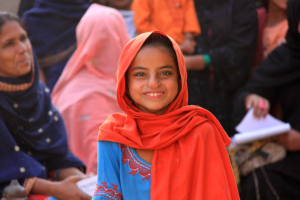 In September 2025, the Government of Pakistan initiated a transformative public health landmark with the launch of Pakistan’s Human Papillomavirus (HPV) Vaccine Rollout. This national campaign targets 13 million girls aged 9-14, providing them with critical protection against the virus. Given that Pakistan loses approximately eight women every day to cervical cancer, totaling more than 2,500 preventable deaths annually, this initiative represents one of the most significant advancements in women’s health in the nation’s history.
A Phased Strategy for National Coverage
Central to the success of Pakistan’s HPV Vaccine Rollout is a strategic, phased implementation plan supported by Gavi, the Vaccine Alliance, the World Health Organization (WHO) and UNICEF. The first phase of the campaign focuses on Punjab, Sindh, the Islamabad Capital Territory and Azad Jammu and Kashmir. Following this initial push, the government plans to expand the program to Khyber Pakhtunkhwa in 2026, with Balochistan and Gilgit-Baltistan scheduled for 2027.
By the end of this period, the program aims to reach more than 17 million girls nationwide. The campaign utilizes the Cecolin bivalent vaccine, which the WHO pre-qualifies for use in immunizing against HPV types 16 and 18. These two strains are responsible for the vast majority of cervical cancer cases globally.
To make the program sustainable, Gavi provided 67% of the initial funding, while the Pakistani government committed to a 33% co-financing share. This financial arrangement ensures that the vaccine remains free of charge for all eligible girls. This, thereby, removes the economic barriers that often hinder access to health care for impoverished families.
Overcoming Stigma Through Community Leadership
Since the HPV vaccine is administered to adolescent girls, health officials anticipated challenges regarding social stigma and vaccine hesitancy. To address these concerns, Pakistan’s HPV Vaccine Rollout adopted a “whole-of-society” approach. The government collaborated with local civil society organizations and influential Islamic scholars to build community trust.
These religious leaders played a vital role by publicly endorsing the vaccine, emphasizing that protecting life and preventing disease are core values that align with religious teachings. This communication strategy also utilized the powerful slogan “Sayhat Mand beti Sayhat Mand Gharna,” which translates to “Healthy daughter, healthy family.” By framing the vaccine as an investment in the prosperity of the entire household, the campaign successfully shifted public perception.
Data from the first phase of the rollout indicate a significant decline in vaccine refusals. At the start of the campaign, approximately 300,000 families expressed hesitation. However, through targeted counseling and outreach, this number dropped to 90,000, allowing the campaign to achieve more than 72% coverage in its early stages.
Mobile Outreach for Marginalized Groups
A critical component of the rollout is its ability to reach marginalized and underserved populations, including the 50% of eligible girls who are currently out of school. To ensure no girl is left behind, the government deployed a multi-pronged delivery system. While schools and fixed health facilities serve as primary vaccination sites, mobile teams and special outreach units travel to remote villages and high-risk urban areas to administer vaccinations.
This approach brings the vaccine directly to those who face the greatest geographic and social barriers to care. To support this massive logistical effort, the WHO trained more than 49,000 health workers in vaccine administration, cold chain management and community engagement. These workers are also part of a new digitization project that integrates training manuals into a unified digital learning system.
This technological advancement enables frontline vaccinators to access updated information and report data in real-time, thereby strengthening the overall resilience of Pakistan’s immunization infrastructure.
Building a Sustainable Future for Women’s Health
The long-term success of Pakistan’s HPV Vaccine Rollout will depend on its transition from a campaign-style initiative to a routine part of the national health system. Starting in the second year, the government intends to integrate HPV vaccination into routine immunization schedules for all 9-year-old girls. This integration will ensure that every new cohort of adolescent girls receives protection as a standard part of their primary health care.
By prioritizing evidence-based solutions and fostering international partnerships, Pakistan is moving closer to the World Health Assembly’s goal of eliminating cervical cancer as a public health problem by 2030. The progress made in 2025 demonstrates that even in complex social environments, determined political leadership and community-focused strategies can overcome obstacles to save thousands of lives. This rollout stands as a powerful example of how targeted health interventions can break the cycle of illness and poverty, securing a brighter and healthier future for the next generation of Pakistani women.
– Elena Cárdenas
Elena is based in Monterrey, México and focuses on Global Health and Politics for The Borgen Project.
Photo: Flickr
