Sikh Humanitarian Organizations Rebuilding Punjab
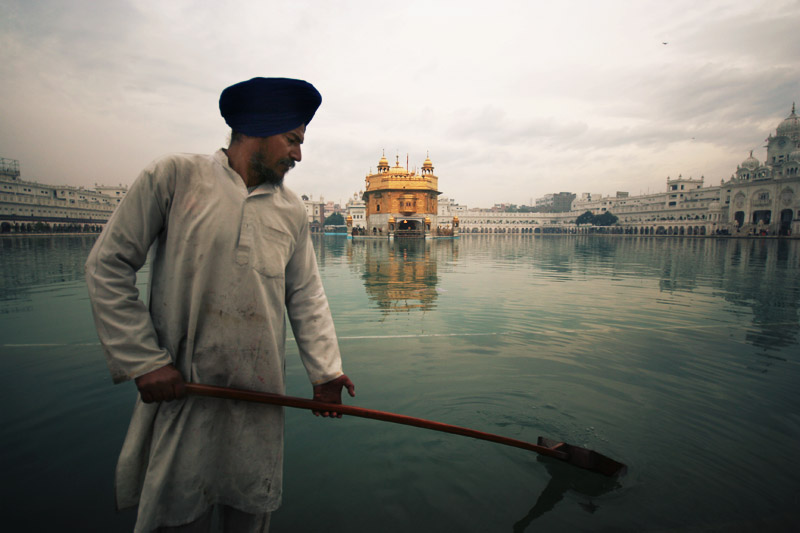 Late August and September 2025 saw the North Indian and Pakistani regions of Punjab hit with some of the worst floods in decades. Although the worst of these floods has passed, the damage left behind has pushed many who call these places their home deeper into poverty and ruin. Nearly 70% of the province was underwater after severe breaches in the Ravi and Sutlej rivers. In addition to the projected $6 billion to $10 billion in economic damages, at least 842 people died, more than 1.2 million were displaced and 4 million were impacted nationally.
With agricultural communities forming most of Punjab’s population, whatever affects farmers affects the entire region. Geographically, Punjab has always lived with a water-heavy existence defined by monsoon seasons. Punjab, literally “land of the five rivers,” has always embraced these conditions. Yet what once supported life now contributes to devastation. Every flood deepens poverty and erodes hope for those already living on the edge of survival. As the waters recede, one truth stays clear: if Punjab’s farmers cannot feed themselves, the survival of the wider population rests on fragile ground.
Poverty here is not evident only in rupees but in diminished worth, fractured families and futures placed on hold. Yet through the murky waters, people found hope in the form of seva, or selfless service, a key motto of the Sikh faith that guides the Sikh humanitarian organizations rebuilding Punjab after the floods, such as Global Sikhs, Khalsa Aid and United Sikhs. Each organization plays a unique role that extends far beyond immediate help. Their work presents rebuilding Punjab as a testament to the power of community, religious service and international cooperation. Here, Sikh faith-based charities show that seva is not only a spiritual ideal but also a practical, life-changing force in times of crisis.
The Principle of Seva in Action: Tackling Poverty
Guru Nanak Dev Ji says,
“Do Seva and service in this world and find a seat in the court of God.”
ਵਿਚਿ ਦੁਨੀਆ ਸੇਵ ਕਮਾਈਐ ॥
ਤਾ ਦਰਗਹ ਬੈਸਣੁ ਪਾਈਐ ॥
(Sri Rag M-1, 26)
This philosophy of service sits at the heart of the Sikh community and shapes the work of the charities rebuilding Punjab after the floods’ destruction. Seva, rooted in the teachings of the Sikh Gurus, calls for selfless and unconditional service performed without seeking praise or reward. Sikhs see it as a way of honoring the divine by serving humanity and fulfilling a moral obligation.
This custom turned into a lifeline in the wake of the floods. Volunteers (or sevadars) of all ages, from local villagers to Sikhs in the diaspora, put seva into action by delivering aid, rebuilding livelihoods and reminding communities that solidarity stays stronger than anguish even during turbulent times.
In the aftermath, one of the greatest challenges was helping communities rise from the deeper poverty the catastrophe created. Families who once depended on modest harvests now faced barren granaries and empty farms. The disaster erased even the most basic security in places where poverty already ran deep, leaving parents wondering how they would afford their next meal or whether they needed to send their children overseas to survive.
Impact of the Floods
For many farmers, the human toll defies measurement. After days of relentless monsoon rains, countless families awoke to shattered livelihoods. In talks with The Guardian, Amritsar-based farmer Parmpreet Singh described his reality: “The crops are ruined, and even our homes are in danger of collapsing.”
His family — including his two young daughters and his elderly mother — currently lives on the roof of their home to stay above the water. Singh fears he may need to sell his land and abandon farming after seven hectares of crops were destroyed. Livestock farmers, who depend on only two or three buffaloes, face similar devastation. The shortage of fodder and the soaring cost of silage have pushed their financial stability to a breaking point.
Abad Khan, a small farmer from central Punjab, told Dawn News, “These families were already struggling, and now they are facing a level of poverty almost impossible to escape.” More than 2.2 million hectares of crops — from vegetables to rice and wheat — have been wiped out. In just one week, the price of wheat flour rose by 25%. The scale of economic and social hardship has made recovery daunting, but Sikh organizations have responded by turning seva into focused and sustained action.
Khalsa Aid
Khalsa Aid mobilized its volunteers within hours of the first flood warnings and reached the affected districts before most organizations. Their teams have worked across Gurdaspur, Kapurthala, Ferozepur and Abohar since mid-August, evacuating livestock — often a rural family’s main source of income — and rescuing stranded residents. Alongside these emergency actions, Khalsa Aid supplies clean drinking water, medical assistance, ration bags and crucial fodder for animals suffering after prolonged exposure to stagnant floodwater.
The charity installed industrial dewatering devices in Abohar, where floodwaters persisted long after the rains ended. This equipment helped recover more than 1,000 acres of submerged farmland. To help farmers restore their fields, restart agricultural work and prevent long-term economic collapse, Khalsa Aid’s teams continue to work directly with the communities.
Global Sikhs
Global Sikhs has taken on the equally important responsibility of long-term rehabilitation. Through their Sanjha Sahara Project, volunteers work in 25 severely affected villages to help families rebuild their lives from the ground up. Their approach recognizes that restoring livelihoods is as essential to Punjab’s recovery as clearing water or distributing aid.
They support soil restoration, repair damaged irrigation channels and replace lost livestock, a vital resource for rural households whose earnings depend on a few buffaloes or goats. Global Sikhs also help families rebuild homes damaged by weeks of flooding to ensure children, the elderly and vulnerable people stay safe.
UNITED SIKHS
Sevadars for UNITED SIKHS mobilized across the region and worked tirelessly to evacuate residents from submerged homes, relocate families to safer areas and set up relief camps in villages such as Dhera Ghara and Nihala. They provided medical care, food and clean water to households cut off by flooding. UNITED SIKHS also partnered with local health officials to distribute chlorine tablets and teach safe water practices to prevent the rise of skin infections and waterborne illnesses as stagnant floodwaters lingered. At the same time, the organization addressed severe shortages of cattle fodder caused by flooded fields and blocked roads to help farmers keep their livestock alive.
Rebuilding Punjab: Looking Ahead
These are only some of the organizations rebuilding Punjab. Although the damage devastated countless families, livelihoods and communities, the active service of these charities and the seva they embody brings hope back into people’s lives and provides practical solutions that lay the foundations for long-term recovery. In a glistening and rich culture, the harmony of community and faith shines brighter than ever.
– Prubleen Bhogal
Prubleen is based in London, UK and focuses on Good News and Politics for The Borgen Project.
Photo: Flickr
