Importance of Development Aid: PCPM
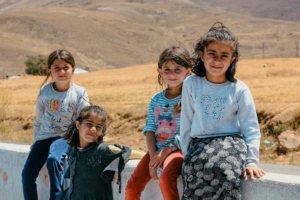 Akkar Governorate in northern Lebanon is one of the most impoverished in the country. For more than 10 years, the region has been a humanitarian zone for the Polish Center for International Aid (PCPM). Poland and Lebanon have maintained diplomatic and economic relations since 1944. Lebanon is a designated priority country for Polish foreign aid. PCPM is the largest aid organization present in the state.
Initiating a Sustainable Change
With the employment rate at only 8.2%, most of the locals in the Akkar region rely on the agriculture and food production sector as a primary source of sustenance and income. The highly diverse landscape provides fertile soil and abundant water sources. At the same time, underdeveloped infrastructure, lack of electricity and unreliable water supply framework pose a significant danger to farmers.
The PCPM aims to address these challenges to ensure self-sufficient solutions. The organization provides not only humanitarian relief but also focuses on development. One of the most important PCPM projects in Akkar is the development of irrigation systems. The benefits of it are threefold: a safe and controlled water source for fields and orchards, the reuse of sewage treatment by-products and the prevention of cholera outbreaks.
Irrigation channels direct the water from the mountains, making it “free” by using gravity and a metal gate to regulate flow, preventing flooding. The channel system in the region is now 10 kilometers long. Less still water on the fields protects not only crops but also the health of the residents. It minimizes cholera outbreaks, especially with a safe drinking water source. The team also modernized local water treatment plants with solar panels to ensure uninterrupted operation during power outages.
The Polish zone in Lebanon provided solar panels for the most important public institutions. It renovated key roads through the region with solar-powered lighting and safety signals. The use of natural resources makes the changes sustainable and self-sufficient.
Why Development Aid Is a Key to Stability
The help within the Polish humanitarian zone in Lebanon starts with analyzing the areas of focus and the scope of the projects. The key to the provided aid is development. It ensures stable progress and self-sufficiency by influencing three crucial aspects: economic and employment growth, better overall quality of life and crisis response.
Development aid means investment in infrastructure, support for locally-owned businesses, investment opportunities and a boost for regional opportunities for growth. Akkar, with its nature and agriculture, has a great potential for expansion in the tourism and food industry.
Clean water, improved sanitation and easier access to healthcare and public institutions improve the quality of life. Societal development follows suit. Lebanon’s location makes it more vulnerable to various crises: health emergencies, natural disasters or regional conflict. The importance of development aid in this area lies in self-sufficiency in rebuilding and stabilizing efforts.
Polish Zone in Lebanon Continues
In 2025, the development aid will focus on “key sectors: education, support for persons with disabilities and environmental protection.” Lebanon remains a priority country for Polish foreign support. PCPM sustains additional programs for families in need, ensuring the supply of food and hygiene products.
– Patrycja Pietrzak
Patrycja is based in Limassol, Cyprus and focuses on Business and Good News for The Borgen Project.
Photo: Unsplash
