HIV in the Central African Republic
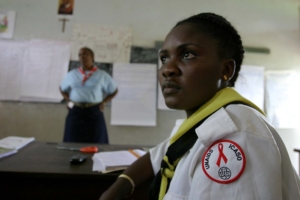 The Central African Republic (CAR), located in the heart of the continent, has long faced a severe HIV epidemic. While HIV has largely dwindled in threat in the West, it remains the primary cause of mortality in the CAR. In 2019, there were 4,800 deaths and 110,000 people overall living with the disease in the nation.
This epidemic has been declared a national crisis, one intensified by the lasting and prevalent stigma shadowing HIV. This fatally impacts treatment access for people living with HIV (PLHIV) in the Central African Republic. To understand and combat this situation, initiatives in the CAR piloted by Médecins Sans Frontières (MSF) and UNICEF focus on eradicating stigma-based prejudices through community-based aid. Their programs validate the significant impact of providing psychological support to PLHIV, especially in a situation that may feel hopeless.
HIV-Related Stigma
The 2018 PLHIV Stigma Index found that 87% of PLHIV experienced discrimination that affected their daily lives. The health care sector in the CAR is severely underfunded, resulting in insufficient (or sometimes zero) government-led ethics training being delivered to workers.
As a result, these professionals develop inaccurate beliefs about transmission causes and harbor fear-based prejudices against PLHIV. Hence, incidents such as humiliating comments, disclosure of HIV status and alienation from health care professionals affect PLHIV, with 12% avoiding health centers because of their status.
PLHIV in the CAR not only fear discriminatory professional care, but also fear being “found out” by their peers — an exposure that can lead to consequences such as social marginalization, family rejection or even violence from intimate partners. This double barrier creates a deep-seated fear, resulting in fatal disengagement from care, a challenge foreign aid organizations are working to address.
Antiretroviral Treatment
Campaigns across the CAR focus on utilizing community support groups to improve adherence to antiretroviral medicine (ARV) treatment plans. This medication can reduce levels of HIV to an undetectable level and protect the immune system. Thus, without access to it, PLHIV may experience numerous fatal complications and a risk to their quality of life.
However, MSF reported that, in 2016, only 18% of PLHIV in the CAR were actively undergoing ARV treatment provided by the CAR government. It found that by the time the majority of patients begin treatment, their immune systems are too badly compromised and they are already suffering from advanced and unmanageable AIDS. Chillingly, this is the case for two-thirds of PLHIV in the CAR.
Community Groups
The E Bata Guigui (Let Us Protect Life) group, initiated in 2018 by UNICEF in the CAR’s capital city, Bangui, promotes treatment through offering empathy and reassurance for PLHIV. The campaign consists of 2,000 young people offering peer solidarity, encouragement for testing and accompaniment through treatment appointments and journeys.
Results show that more young people aged 0-14 with HIV in the CAR have access to treatment, even after being deterred by their local clinics. Evidently, treating PLHIV with humanity can often be life-saving.
In 2019, MSF launched its Community Groups initiative across West Africa. The program allows one member to collect drug refills on behalf of the group, improving adherence and access to long-term treatment. Its stigma-sensitive approach — centered on self-management and peer support — has led to an increase in viral suppression and patient follow-up rates. Within a year of implementation, more than 1,800 patients had begun HIV treatment and 558 new cases were diagnosed.
Positive Changes
The milestones achieved by Community Group programs surrounding early diagnosis, medication uptake and treatment adherence show valuable strides toward a brighter, healthier future for PLHIV in the CAR. While challenges remain, the progress made in tackling widespread discrimination, through greater acceptance and enhanced psychological support, has already bettered both physical and mental health outcomes, delivering hope to those who once felt there was none.
– Emily Wooster
Emily is based in Birmingham, UK and focuses on Good News and Global Health for The Borgen Project.
Photo: Flickr
