Gender Equality in Brazil
 The World Bank reported that poverty in Brazil has decreased from 21.7% in 2023 to 20.9% in 2024 due to growth in the labor market. However, gender equality in Brazil remains a prominent issue, with Rio having higher levels of social and economic inequality. Women in Brazil are 47% less likely than men to receive equal wages for similar work.
Poverty and Gender Equality in Brazil
Oxfam reported that in Brazil, inequality is decreasing and to reach the United Kingdom’s (U.K.) current level of income equality, it could take 75 years. Furthermore, the lack of fiscal space to increase social spending and the reduced growth in the service sectors mean poverty reduction is likely to be much slower over the next few years.
In Rio, around 23% to 24% of the population lives in favelas and there are more residents in favelas in the city than all others in Brazil. The term favela often refers to slums, where people living in favelas are more at risk of poverty and health problems due to gangs that control these territories. Women are often most at risk in the favelas, which face high levels of violence and offer limited access to resources for women. However, there are women leaders in the favelas who are activists, symbolizing the daily struggles of the people who face limitations to their access to rights.
G20 Rio declaration
Officially known as the G20 Rio de Janeiro Leaders’ Declaration is the summit held at the end of 2024, detailing what promises and key priorities the leaders are committing to in the new year. It is often praised for its duty to sustainability, climate action and gender equality.
Women in poverty in Rio may see the positive impacts of some of the decisions made at this summit, as the Rio Declaration confirmed the G20’s commitment to gender equality and empowerment of women and girls. One of these key commitments is the condemnation of gender-based violence, which may improve the lives of women living in favelas that are most at risk of violence.
Other notable commitments are the support of gender equality in Brazil with the promotion of equal pay, leadership opportunities and career development for women. A significant change and move forward is the summit’s pledge to reduce the gender wage gap from 2025 and bridge the gender digital divide by 2030. Indeed, this pledge will help move women out of poverty by providing them with better and equal pay.
Lucia Xavier
Lucia Xavier is an activist who founded the anti-racist nongovernmental organization (NGO), Criola, in Rio de Janeiro and is a Brazilian social worker. Furthermore, Xavier founded NGO Criola in 1992, which acts in the defense and promotion of Black women, young women and girls. Xavier’s work across Brazil as an activist focuses on advocating for black women and girls from poor backgrounds who face violence, which she identifies as the biggest threat to women’s rights in Brazil.
For Xavier, Black women’s representation is a key issue and she believes their leadership is vital for an equal future. Xavier has said that “Black women [are] powerful political actors, capable of transforming society and reshaping the norms.”
Women Ministers in BRICS
BRICS is a group of five countries — Brazil, Russia, India, China and South Africa — that serves as a political and diplomatic coordination forum for nations in the Global South. BRICS Brazil April 2025, held a meeting of women ministers that reinforced the essential role of female participation in shaping a new global governance.
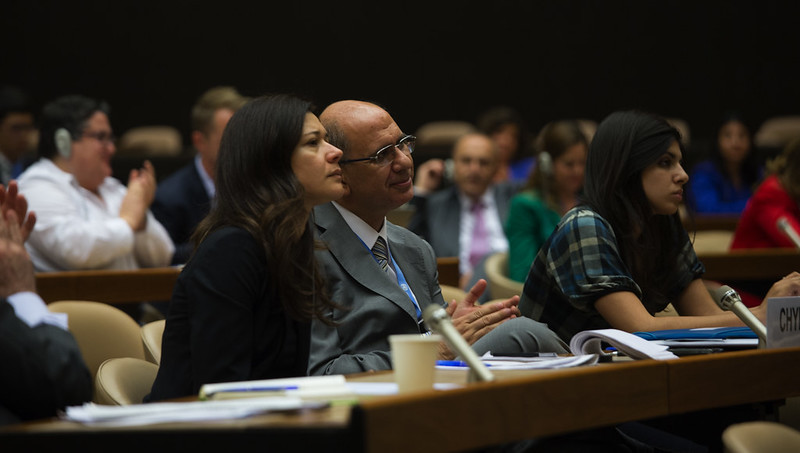
Gender equality policies took center stage at this BRICS meeting, which focused on women’s development and entrepreneurship, women’s empowerment, climate action, sustainable development and digital governance – misogyny and misinformation. Each of these areas looked at where women need help in Brazil and possible solutions. When discussing women’s development, the focus was on promoting initiatives and investments aimed at ensuring women’s equal participation in economic and social development. Recognizing technology-based violence against women and ensuring countries commit to promoting women’s equal participation in climate action are key concerns. This is critical because women and girls account for 80% of those displaced by natural disasters and the changing climate.
– Alice Haston
Alice is based in Liverpool, UK and focuses on Good News and Global Health for The Borgen Project.
Photo: Flickr
