Mpox in Burundi and Global Aid Efforts
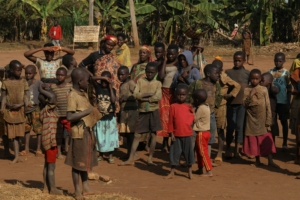 Burundi, a small land-locked country located in East Africa, is considered one of the most impoverished countries in the world. Burundi is home to 14 million people, with more than half of the population living on less than $2.15 daily. The reason for poverty lies in many circumstances, including a slew of civil wars and political instability, limited resources and a skyrocketing population. Over the past year, Burundi and its neighbors have faced a consequential Mpox (Clade I) outbreak.
While recent numbers suggest mpox infections are decreasing, Burundi still faces other deadly diseases and infections. The leading cause of death for people living in Burundi is lower respiratory infections, with malaria close behind at number two. Access to basic health care and infrastructure is a struggle many Burundi residents face. Nine out of 10 Burundians lack access to sufficient electricity and sanitation. Despite this, Mpox in Burundi is now on a slow declining rate with the help of global organizations.
Mpox (Clade I)
Burundi first declared the Mpox (Clade I) outbreak in July 2024. A few months prior, in April, Burundi suffered from severe flooding, which impacted nearly 250,000 people and left many more susceptible to pox. As of March 2025, there are more than 3,000 confirmed Mpox (Clade I) cases in Burundi. A multitude of factors, such as an overflowing population and restricted access to clean water and essential health care, initially caused Mpox in Burundi. This left many Burundi health care facilities overwhelmed and residents struggling to access necessary treatment.
During the peak of the Mpox outbreak in Burundi, infection rates in children rose substantially. In September 2024, UNICEF reported that in almost 600 cases, two-thirds of the affected population were children and the number of cases grew by more than 40% over the previous three weeks. This caused concern for many, as UNICEF reported that 80% of Mpox-related deaths are in children.
However, since 2025, there has been a noticeable decline in Mpox cases in Burundi. There are less than 50 new cases per week, which is around a 25% average decrease compared to case numbers during the peak of the Mpox outbreak. This accomplishment became possible due to the numerous organizations providing global aid to countries such as Burundi.
Global Aid Efforts
Health care in Burundi continues to face major challenges, particularly due to limited funding for the country’s health systems. In response, several organizations have developed targeted strategies to strengthen health care infrastructure and improve access. Here’s how some are helping residents in Burundi:
- Village Health Works (VHW) launched the Halting Outbreaks by Mobilizing Essential (HOME) resources initiative in response to the Mpox outbreak. This initiative focuses on supporting women and children, the most affected groups. It provides essential medical supplies and offers training and support to local health care workers to bolster frontline response efforts.
- Our Children International will volunteer at a medical camp in Karuzi Province in July 2025. During last year’s mission, the organization treated more than 4,500 patients in just four days. Its services include medical and dental care, life-saving medications and nutritional support.
- UNICEF focuses its efforts primarily on children affected by Mpox. Due to the stigma surrounding the disease, many residents were hesitant to seek treatment. To address this, UNICEF broadcast prevention messages via radio, reaching more than 800,000 residents across Burundi. The organization also supplied medical kits and essential resources to dozens of hospitals. Additionally, UNICEF is working on prevention by training school personnel to recognize early signs of Mpox and promoting community-based education.
Conclusion
Addressing the health care crisis in Burundi requires global attention, community-based support and investment. While this issue is still widespread in Burundi and other countries, organizations like Village Health Works, Our Children International and UNICEF are making meaningful strides.
– Grace Johnson
Grace is based in Chicago, IL, USA and focuses on Technology and Global Health for The Borgen Project.
Photo: Unsplash
