How Growing Mangoes Helps Reduce Poverty
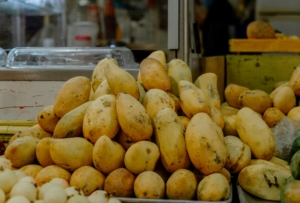 Slicing into a mango reveals a decadent treat bursting with flavor. More surprisingly, however, growing mangoes helps reduce poverty, as planting mango trees alleviates financial and food insecurity in developing nations. This innovative solution offers hope for progressing toward achieving the United Nations’ first two Sustainable Development Goals (SDGs) by 2030: No Poverty and Zero Hunger.
Why Mangoes?
Mangoes thrive in hot, humid climates and are relatively easy to cultivate, particularly across regions of Asia, Latin America and parts of Africa. Their global popularity has surged recently, with widespread consumption and high demand in international markets. In addition to being a valuable cash crop, mangoes are highly nutritious and rich in essential vitamins.
A Source of Income in India
Unlike many crops grown on large commercial farms, mangoes are often cultivated on small-scale farms. Growing mangoes can significantly reduce poverty by providing families with an additional income of up to $2,700 per hectare of mango trees, helping to lift entire communities out of poverty.
Recognizing this potential, nonprofit organizations like TechnoServe have developed programs to train farmers in India more efficiently to cultivate their mangoes and resist common diseases afflicting mango trees, like dieback. It has also worked to support water-related infrastructure in the local communities. TechnoServe’s program has helped more than 1,000 thousand smallholder farmers in India.
Fighting Hunger in Uganda
Extreme hunger remains a serious issue in Uganda. Malnutrition directly causes nearly one-third of deaths among children aged below 5. One initiative, The Mango Project, donates mangoes to schools, health care clinics and individuals facing food insecurity. The program also trains Ugandan farmers in improved techniques for cultivating hardier mango trees that can survive the region’s six-month dry season.
While Uganda produces hundreds of thousands of tons of mangoes annually, about 40% spoil due to limited access to refrigeration and preservation methods. The Mango Project addressed this by teaching local farmers jarring, which involves boiling small portions of mango to preserve them without requiring specialized supplies like jars. It also teaches local Ugandans general cooking techniques and other necessary health education.
Boosting Health in Haiti
Haiti suffers from one of the highest poverty rates globally, as well as a weak economy. According to agricultural and economic expert Gergens Polynice, growing mangoes helps reduce poverty by strengthening Haiti’s economy. Haiti is already a major supplier of mangoes to the U.S. However, it exports a relatively small fraction of its production. This means there is a significant economic growth opportunity in the mango industry.
Empowering Communities in the Philippines and Indonesia
The Preda Fair Trade Project, operating in the Philippines, supports mango farmers in several ways. It buys unmarketable mangoes to be sold as other mango products. Also, it encourages growing practices that improve quality to be sold on the market.
The Australian Center for International Agricultural Research sponsored a project that teaches farmers in the Philippines and Indonesia organic farming methods to increase mango profits. By improving their livelihoods, these initiatives empower local communities economically and promote long-term sustainability.
– Klara Jones
Klara is based in Los Angeles, CA, USA and focuses on Good News and Technology for The Borgen Project.
Photo: Pexels
