Stepping Up as Global Funding Declines: NGOs Replacing U.S. Aid
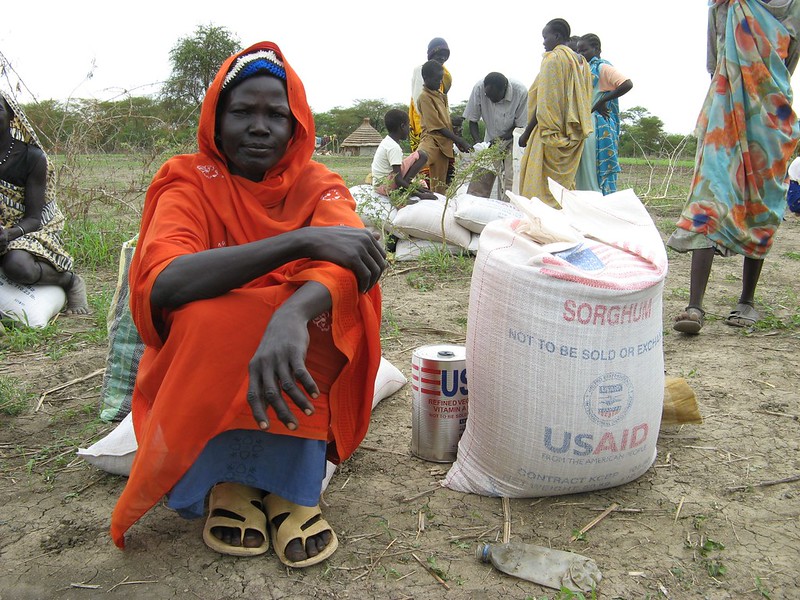 Since January 2025, significant shifts in U.S. foreign aid policy have left a substantial void in global development funding. The Trump administration’s decision to freeze the USAID funding has disrupted health and humanitarian programs worldwide and damaged its credibility in previous commitments to public health and humanitarian efforts. This abrupt halt has suspended vital initiatives, forcing many organizations to shut down projects, lay off staff and withdraw from communities—further intensifying the challenges that NGOs replacing U.S. aid in affected regions face
The Immediate Impact of Aid Cuts
The immediate impact of USAID cuts has been severe and far-reaching, affecting millions of people worldwide. The U.S. has historically been a driving force in international development assistance, but the recent cuts have led to the collapse of USAID-backed programs, creating a funding void that private donors struggle to fill.
Global health programs like the International Rescue Committee (IRC), which works to prevent and treat infectious diseases, and the Joint United Nations Programme on HIV/AIDS (UNAIDS) are among the hardest hit. With fewer resources, NGOs replacing U.S. aid face an uphill battle in controlling outbreaks, leaving the most vulnerable populations at higher risk.
To put the impact into numbers, “about 80% of the 1,460 community kitchens across Sudan shut down when USAID paused all funding,” according to Hajooj Kuka, spokesperson for the Emergency Response Rooms (ERRs) in Khartoum state, as reported by Al Jazeera, an independent news channel in the Arab world.
In contrast, advocacy groups continue to push forward for restored funding, emphasizing that foreign aid is not just a moral duty but a strategic investment in global stability.
NGOs’ Strategic Responses and Challenges
As NGOs replacing U.S. aid navigate these challenges, they have intensified efforts to influence policy changes and secure alternative resources. One of their key strategies is diversification, with public-private partnerships emerging as a major source of funding. This advocacy is essential to keeping global development priorities on the international agenda.
To cope with funding shortfalls, many NGOs are implementing temporary measures such as tapping into their financial reserves and unrestricted funds to sustain essential operations. They are also renegotiating agreements with other donors and seeking waivers to maintain critical services. Additionally, some staff members are working voluntarily to keep essential programs running. While these efforts demonstrate the dedication of those in the sector, they also underscore the urgent need for sustainable funding solutions.
The Future of NGOs in a Changing Aid Scene
With persistent global challenges such as changing weather patterns, rising inequality and ongoing conflicts, the need for resilience and adaptability among NGOs replacing U.S. aid is more critical than ever. These organizations are actively seeking diverse funding alternatives, forging strategic partnerships and embracing technology to sustain their operations. The ability of NGOs to replace U.S. aid to navigate these changes could be crucial in shaping the future of international aid and development.
– Rhasna Albuquerque
Rhasna is based in Fortaleza, Brazil and focuses on Good News and Celebs for The Borgen Project.
Photo: Flickr
