NGOs Supporting Palestinians Amid Conflict and Hardship
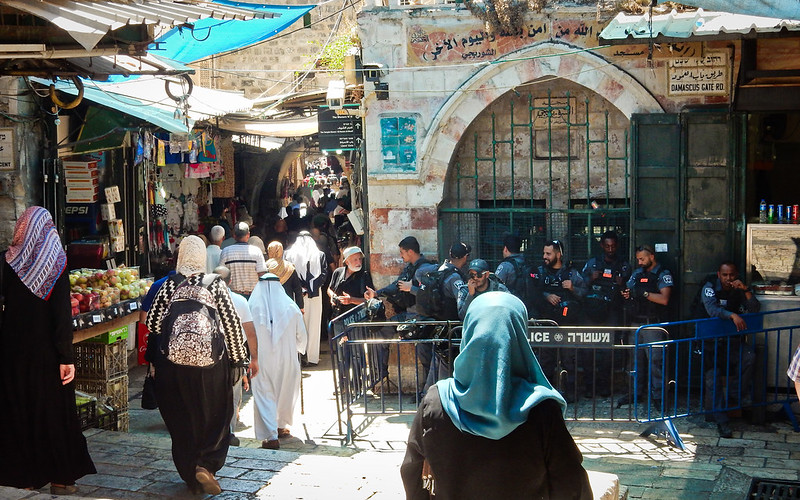 Decades of conflict and hardship have left millions of Palestinians in need of humanitarian assistance, with 3.3 million requiring aid in Gaza and the West Bank. Amid widespread poverty—nearly half of Palestinian families live below the poverty line—80% of Gazans depend on relief supplies to survive. In response, a network of international and local NGOs are supporting Palestinians by providing life-saving aid, fostering economic resilience and advocating for human rights to support Palestinian communities.
PRCS and the Red Cross
Amid conflict, medical teams and first responders work tirelessly to deliver critical care under fire. The Palestine Red Crescent Society (PRCS), in coordination with the International Committee of the Red Cross (ICRC), has been treating the injured and distributing essential supplies despite extreme dangers. By early January 2024, PRCS teams in Gaza had treated about 15,000 injured people while also distributing food, water, blankets and medical supplies to displaced families seeking shelter in hospitals. However, these humanitarian efforts have come at a cost, with ambulances and medical staff frequently coming under attack.
The ICRC has reinforced PRCS’s efforts by delivering relief supplies to more than 1.8 million displaced Gazans and providing cash assistance to more than 110,000 vulnerable individuals. In the West Bank, the ICRC has implemented emergency cash grants for 910 families whose homes were destroyed while also improving water and sanitation systems that benefit many residents. Together, these joint emergency medical efforts have been a lifeline for Palestinian civilians, ensuring that those in the most dire conditions receive critical support.
Healing Hands: International Medical Aid in Gaza
Beyond emergency response teams, international medical NGOs are addressing urgent health care shortages and providing life-saving treatment for Palestinians. Médecins Sans Frontières (MSF), which has operated in Gaza for decades, continues to provide surgical and burns care despite hospitals sustaining severe damage.
Following an airstrike on a refugee camp in northern Gaza in 2023, MSF teams treated 50 wounded patients in a single day at Al-Awda Hospital. Over the year, MSF provided more than 107,000 outpatient consultations, conducted 3,670 surgeries and led 13,300 mental health sessions for patients recovering from PTSD and war-related trauma.
Similarly, Medical Aid for Palestinians (MAP) has led one of its biggest humanitarian responses to date. In 2024 alone, MAP provided medical aid and humanitarian support to nearly 1 million Palestinians in Gaza. Working with local hospitals, MAP dispatched dozens of truckloads of medical supplies, including 32 aid trucks since a January 2025 ceasefire. Additionally, emergency medical teams have performed more than 7,593 consultations and 1,587 surgeries for injured civilians.
MAP’s work has also included hospital rehabilitation efforts, setting up new surgical wards and field clinics, while screening 47,000 people for malnutrition to prevent famine. As conflict continues to strain Gaza’s fragile health care system, these NGOs play a crucial role in sustaining life-saving medical operations.
Essential Aid for Displaced Families
Beyond medical care, NGOs are supporting displaced Palestinians by ensuring they receive necessities such as food, clean water and shelter. Save the Children, which has been active in the occupied Palestinian territories since the 1970s, has reached more than 1 million people in Gaza through relief efforts across 50 locations. The organization has distributed drinking water, food parcels, hygiene kits and winter supplies while also establishing Child-Friendly Spaces to support children’s mental health.
Similarly, Oxfam has launched an extensive emergency response, overcoming severe logistical challenges to assist. Since October 2023, Oxfam and its local partners have assisted more than 262,000 people in Gaza, including 120,000 children. Its efforts include:
- Delivering clean water to 120,000 people through desalination units and latrines
- Providing food aid to 140,000 individuals, including fresh vegetables from remaining local farms
- Distributing winter supplies, including blankets and warm clothing, to 42,000 displaced people
- Supplying cash vouchers, allowing families to buy essentials as needed
Despite ongoing fuel shortages and security threats, these organizations continue to provide vital aid to families facing extreme hardship.
Building Long-Term Resilience
While immediate humanitarian relief is crucial, NGOs are also working to rebuild Palestinian livelihoods by fostering economic resilience. The ICRC has provided cash grants to nearly 2,800 vulnerable individuals in the West Bank, helping sustain livestock and agriculture in rural communities. These grants allow farming families to replace lost animals and continue producing food despite instability.
Oxfam has also been instrumental in supporting Palestinian entrepreneurship. In Gaza, Oxfam-backed programs have helped individuals like Aya Kishko, a carpenter who opened a workshop recycling scrap wood into furniture despite the blockade. With limited raw materials entering Gaza, her business—supported by Oxfam initiatives—not only generates income but also repurposes scarce resources, showcasing NGO-driven resilience efforts. By investing in local businesses and sustainable economic opportunities, these organizations are empowering Palestinians to rebuild their futures despite ongoing challenges.
Balancing Aid and Advocacy
From field hospitals to food distribution centers, the NGOs supporting Palestinians provide a range of humanitarian services to Palestinians facing crisis and recovery efforts. While emergency aid addresses immediate survival needs, development programs focus on supporting livelihoods and long-term stability. However, demand for assistance continues to exceed available resources and aid agencies face operational challenges, including security risks and restricted access. As the situation continues, NGOs play a significant role in addressing humanitarian needs and supporting ongoing recovery efforts.
– Leah Ishak
Leah is based in Exeter, Devon, UK and focuses on Politics for The Borgen Project.
Photo: Flickr
