Cuna Más: Transforming Early Childhood Development in Peru
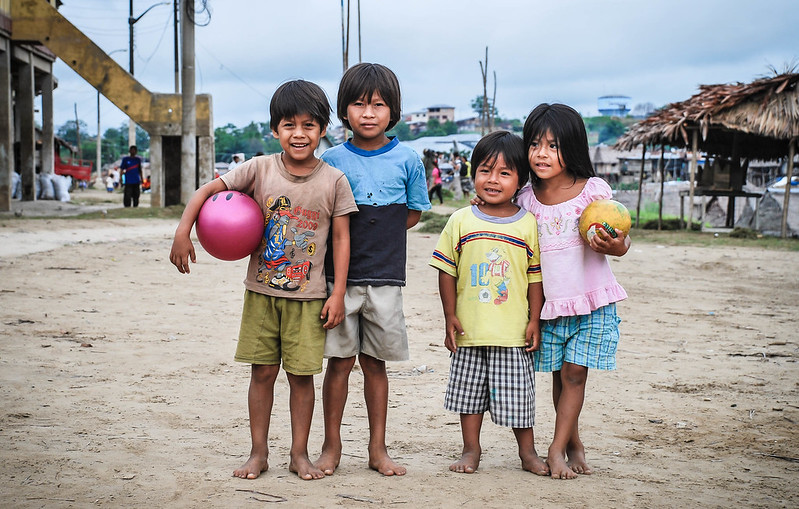 The COVID-19 pandemic severely impacted Peru, exacerbating its economic challenges, especially childhood poverty. Estimates reveal that childhood poverty rates stood at 39.9% in 2020 and decreased to 32.1% in 2021. Even before the pandemic, childhood poverty was a significant issue in the country. The Cuna Más program, which translates to “Cradle More,” aims to address this problem by providing enhanced support and resources for children.
Program Delivery
The Cuna Más program, initiated in March 2012, targets children from 6 months to 36 months old. Its primary objective is to enhance cognitive, language, physical and socioemotional development across different regions of Peru. In urban areas, the program operates daycare services that meet children’s basic health, nutrition, safety, protection and learning needs. Conversely, in rural regions, it offers a home visiting service, delivering weekly visits to parents of young children, including expectant mothers, to support early childhood development.
Early Success and Current Challenges of the Program
The Cuna Más program initially revealed significant growth, expanding from serving about 62,000 children in its first year, 2012, to 149,000 by 2016. Before the COVID-19 pandemic, the program gained recognition for its success. The pandemic highlighted the need for further expansion and improvement, a challenging task given existing constraints. Even before the pandemic, the program faced several critical issues identified in a 2017 study. These included confusing and overlapping roles among staff, insufficient and inadequate materials and less appealing compensation when considering the long hours and extensive travel required. These ongoing challenges have increasingly complicated efforts to recruit and retain the necessary workforce in Peru.
Structural Changes and Potential Solutions
The challenges facing Peru’s Cuna Más program largely arise from organizational deficiencies, especially as it tries to expand. Originally scaled without adjustments to its foundational model, the program urgently requires structural reforms to enhance its sustainability and broaden its impact. Additionally, considering the mental and physical well-being of staff is critical; work schedules should be adjusted to avoid excessive hours that contribute to burnout. However, implementing these changes alone may not suffice to attract the necessary workforce. Recruiting volunteers internationally could be a viable solution. Organizations like International Volunteer HQ provide platforms that enable global volunteers to engage in meaningful work, which could help address staffing shortages in the program.
Looking Ahead
While the challenges facing Peru’s Cuna Más program are significant, tackling them is essential for the well-being of the nation’s youngest citizens. The COVID-19 pandemic has intensified existing issues, highlighting the urgent need for comprehensive reforms and enhanced support. Additionally, recruiting international volunteers could supply the necessary manpower and expertise to address current shortcomings. With persistent efforts and global cooperation, the Cuna Más program can potentially reduce childhood poverty and improve early childhood development in Peru.
– Matthew Mendives
Matthew is based in Colonia, NJ, USA and focuses on Global Health and Celebs for The Borgen Project.
Photo: Flickr
