Empowering Women in Comoros: Rights and Opportunities
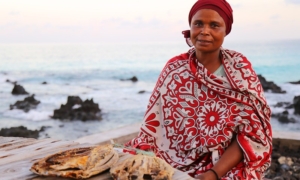 In Comoros, where more than half of the population is female, the legal framework generally supports women’s equality and empowerment. Although Islamic culture traditionally associates land and property ownership with men, in Comoros, certain landholdings known as magnahouli are controlled and managed exclusively by women. These properties are inherited solely through the female line, a practice rooted in the region’s matriarchal African traditions.
Employment Equality and Women’s Work Rights
Laws governing wages and employment opportunities for women are highly progressive in the country. The Union of the Comoros recognizes the equality of all citizens before the law, regardless of race, sex, religion or political belief and guarantees the full enjoyment of fundamental freedoms. This legal framework ensures that women have the right to apply for the same jobs as men, reinforcing gender equality in the workplace.
Women face few restrictions in the workplace, bolstering their rights and challenging traditional gender roles. The law mandates equal pay for equal work, regardless of the industry or the perceived danger of the job. This legislative framework supports women’s participation in all types of employment, including night shifts and industrial roles, which historically have been labeled as “manly” jobs. According to United Nations (U.N.) data, over a third of adult women in Comoros are active in the labor force. Halima Said, a 25-year-old working in the accounting unit of the interior ministry, expresses this sentiment of equality, “We have rights and I feel equal to my husband. He’s in teaching and I work in administration.”
Educational Opportunities for Women
Educational access for girls has historically been limited due to male dominance in schooling. However, significant changes occurred after the implementation of the National Gender Equity and Equality Policy (PNEEG) in 2007, which guaranteed equal educational opportunities and control over resources, including reproductive health. By 2014, the effects of this policy were evident: 48.7% of girls, compared to 46.3% of boys, completed lower secondary school. This shift over just seven years marks a significant advancement in promoting women’s educational rights in Comoros.
Marriage Laws and Family Rights
Most men who can afford to get married in Comoros opt for polygynous unions with matrilocal residences, meaning they have multiple wives but live in the wife’s family home. The Code de la Famille, Article 57, requires mutual consent for marriage, safeguarding the rights of both parties. Additionally, the law upholds women’s autonomy by granting them the right to make independent decisions without the obligation to obey their husbands.
Agreements and Women’s Rights Advancements
Comoros ratified the Convention on the Rights of the Child in 1993, setting the minimum age for marriage at 18. This aligns with the Convention on the Elimination of All Forms of Discrimination Against Women (CEDAW), ratified in 1994, which mandates free and full consent for marriage. Women’s rights in Comoros have significantly improved; there are more women in parliament than ever before. The rate of intimate partner violence in Comoros is 27% lower than the global average. Since 1991, conditions in vulnerable work environments have dramatically improved. These developments highlight Comoros’ commitment to advancing women’s rights and making the islands a safer, more thriving place for women.
Looking Ahead
Comoros demonstrates a strong commitment to gender equality through progressive laws and educational advancements for women. The implementation of policies like the National Gender Equity and Equality Policy (PNEEG) has significantly increased educational opportunities for girls. Additionally, the country’s legal framework supports women’s rights in employment and family law, ensuring equal pay and autonomy in marriage. These strides highlight Comoros’ dedication to empowering women and promoting equality across all sectors.
– Sadie Virgin
Sadie is based in Newport, UK and focuses on Good News for The Borgen Project.
Photo: Flickr
