Pharma Giants against Poverty: Merck’s Plan to Eradicate Bilharzia
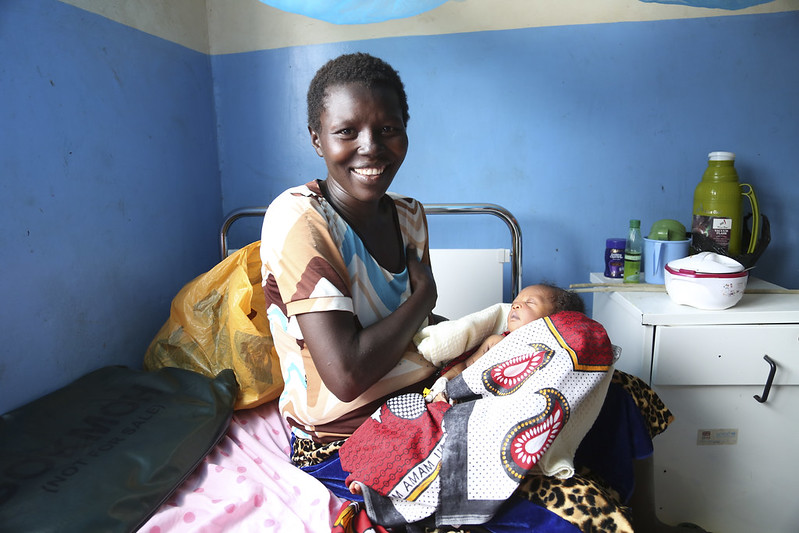 Schistosomiasis, also known as Bilharzia, is a tropical disease caused by parasitic flatworms that claims 200,000 to 300,000 lives a year. Its prevalence in sub-Saharan Africa is significant, second only to malaria. Contracting schistosomiasis is serious and symptoms can be lethal. It can eventually cause stunted growth, learning disorders and anemia. The task of eliminating the disease is considerable, but one that Merck believes it can accomplish.
Answer to the Problem
Merck’s plan to eradicate Bilharzia is one of education, innovation and practicality. The water-borne parasite that causes the disease is far more widespread in poorer communities with a lack of access to clean water. This indicates that the ultimate cause of the disease is rooted in poverty. In 2007, Merck allied with the World Health Organization (WHO) to eradicate schistosomiasis, pledging to wipe out the disease by 2030.
The Merck Praziquantel Donation Program is an initiative developed by Merck to tackle the disease. It focuses on the distribution of praziquantel, the tablet used to treat the disease, with enormous success rates. The program primarily focuses on preventing and treating the disease in school-age children in poorer communities. Additionally, the program emphasizes the role of education in preventing schistosomiasis.
Is It Working?
In short: yes! Merck has donated more than 1.5 billion tablets of praziquantel to the WHO. Additionally, more than 800,000 people have been treated as a result of Merck’s plan to eradicate Bilharzia. Countries are targeted individually to increase efficiency and maximize the number of people who can benefit from the program.
In Rwanda, a further 8 million tablets have been supplied in support of its plan to eliminate schistosomiasis and “Neglected Tropical Diseases.” Merck has also pledged money to the Deworming Innovation Fund, which looks to wipe out schistosomiasis and intestinal worms in Zimbabwe, Kenya, Rwanda and Ethiopia, furthering its campaign against tropical diseases.
The Bilharzia Storytelling Lab
After previous sessions in Rwanda and Kenya, in 2024, the Bilharzia Storytelling Lab (sponsored by Merck) took place in Ethiopia, a competition that asks candidates to formulate storytelling-oriented answers to facing schistosomiasis. The winning solution is decided by a panel of judges and granted more than $10,000 to facilitate the implementation of the solution throughout the country. Focusing on the educational dimensions of tackling Bilharzia, the workshop this year was held in Addis Ababa. The initiative has so far helped treat more than 800,000 people. Individual communities that are most in need of education and treatment for the disease have benefitted from the initiative.
The groups most at risk are still largely unaware of the disease. Most at risk include school-age children and women, highlighting how necessary the money invested by Merck truly is. As is the case in many developing areas, women are still largely tasked with domestic duties that require access to clean water. This is not realistic for many women in sub-Saharan Africa, meaning many women have no choice but to expose themselves unknowingly to schistosomiasis in order to carry out tasks expected of them. Because of the Praziquantel Donation Program and Bilharzia Storytelling Lab, Merck’s plan to eradicate Bilharzia stands a chance of meeting the 2030 goal set out in 2007.
Final Remark
The financial capability of pharmaceutical giants can evidently be utilized for change. When corporations decide to use their wealth to benefit the international community, millions benefit. The benefits help those who are suffering needlessly from curable diseases to spend their time furthering their families and businesses. Once healthy, they can become assets in their communities and consequently improve the country’s prospects in the future. Merck has demonstrated this beautifully. It has returned futures to countless school children, allowing them to contribute to society rather than sentencing them with disease.
– Molly Ralph
Molly is based in Dorset, UK and focuses on Good News and Global Health for The Borgen Project.
Photo: Flickr
