Issues Affecting Women’s Rights in Tonga
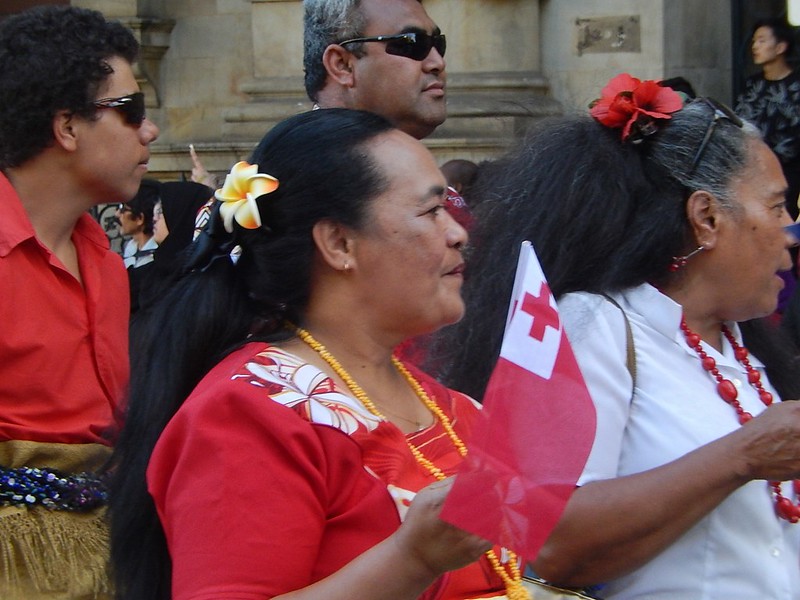 Tonga is a country in the South Pacific that has often been praised for the richness of its culture and traditions. However, Tonga also faces significant challenges in ensuring women’s rights and gender equality. Despite progress, Tonga continues to rank low on global gender equality indices, highlighting the need for continued efforts to address these issues. Here are the top issues related to women’s rights in Tonga:
Gender-Based Violence (GBV)
GBV remains a pervasive issue in Tonga. An estimated 5,000 to 10,000 women (between 31% and 62% of all women) in Tonga experience intimate partner violence yearly. However, nongovernmental organizations (NGOs), such as the United Nations Women, have been working to combat such pervasive statistics. As a result, Tonga has implemented a “no drop” policy that stipulates due process for such cases once they are reported. This policy stipulates that when a case of gender violence comes in, it has to be given priority and cannot be dropped until it has been resolved.
Education and Economic Inequities
Tongan girls are not as well represented in primary education, with a Gender Parity Index of 88, which is lower than the developing country average of 96. The situation improves in secondary and tertiary education, with parity indexes of 97 and 98, respectively. However, despite these improvements, Tongan women still make up only 39% of the nonagricultural workforce.
Women make up 43% of income earners in subsistence farming, paid work and entrepreneurship. However, there is a significant disparity in earnings, with Tongan women earning, on average, only 47% of what men earn.
Equal inheritance rights on divorce and during employment, which are taken for granted in developed countries, are also not available to Tongan women, impeding their ability to participate fully in business activities. Women are also prohibited from owning land in the Tongan economy.
Political Representation
In the November 2010 elections, the majority of seats in Parliament were filled democratically for the first time. Yet no women were elected in this or the next election in 2014, when only 16 female candidates stood as people’s representatives but only received 7% of the vote. Throughout the history of Tonga’s Parliament, only three women have been appointed to ministerial positions.
However, the Tonga Women’s Action for Change (TWAC), a network of professional women, brings together a group of women from various backgrounds to talk about the low level of women’s representation in Parliament. The network aims to encourage women’s participation in the country’s elections.
Efforts of the Tongan Government
In recent years, Tonga has pursued national planning measures in support of its women. A national Gender and Development (GAD) policy was adopted in 2001 and reviewed in 2011. Additionally, in 2010, the government introduced a new policy allowing women maternity protection in the civil service and initiated nationwide consultation on the potential ratification of the Convention on the Elimination of all Forms of Discrimination Against Women (CEDAW).
Further, the government is trying to strengthen the National Women’s Machinery through initiatives such as gender-based budgeting. This will ensure that these national, regional and international commitments are taken seriously. Continued efforts and a collective commitment to gender equality can help Tonga move toward a more equitable and just society for all its citizens.
– Sakshi Bhagat
Sakshi is based in Kolkata, West Bengal, India and focuses on Global Health and World News for The Borgen Project.
Photo: Flickr
