Renewable Energy in Sudan
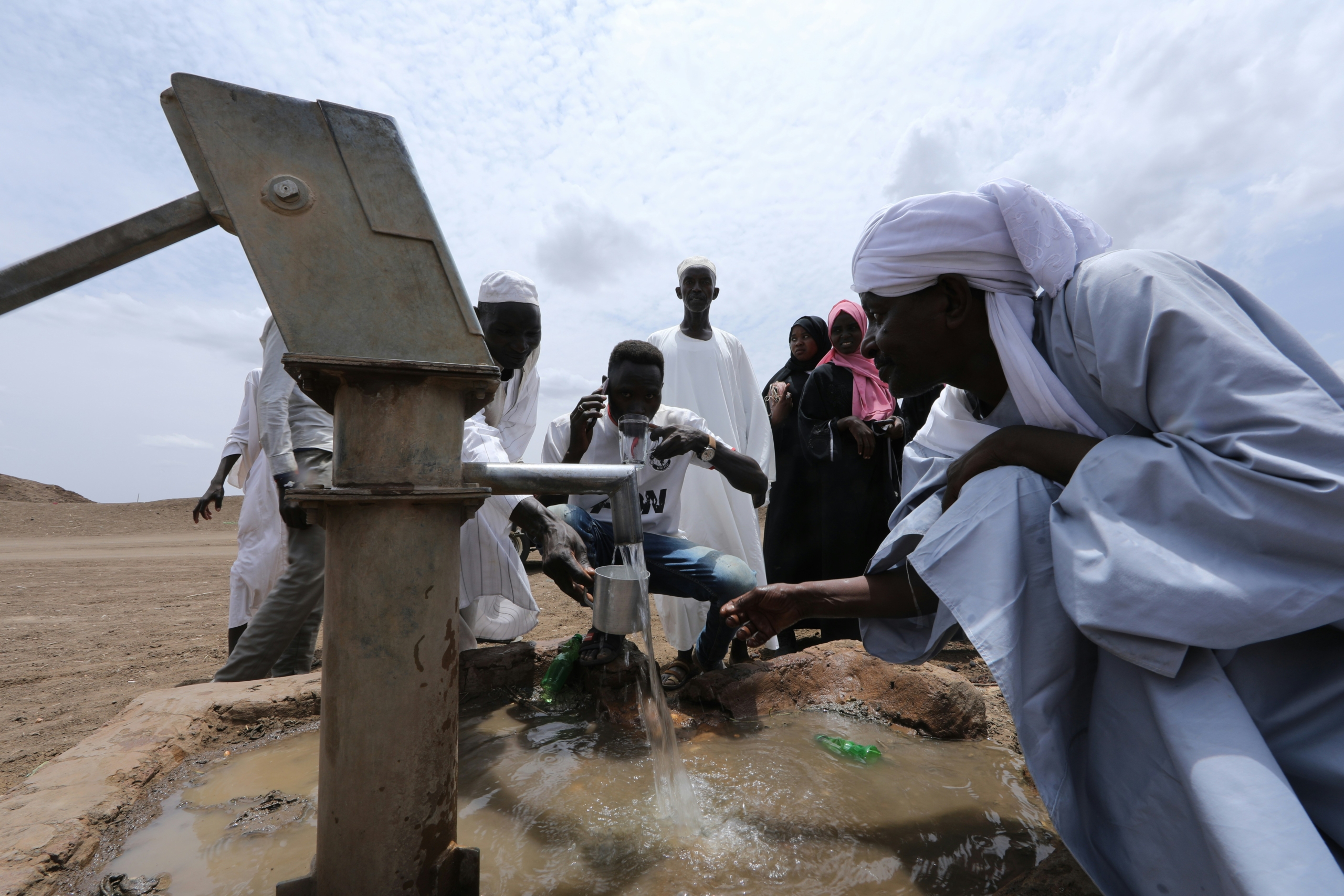 Sudan is a developing nation in Northeast Africa with a population of around 47 million people. The World Bank report from 2023 shows 15.3% of the population living under the international poverty rate ($2.15), 49.7% living under the lower middle-income poverty rate ($3.65) and 86.2% living under the upper middle-income rate ($6.85). While these figures make for grim reading, there are many positives that things are and could continue to get better soon for people due to the further incorporation of renewable energy in Sudan. Renewable energy resources are already improving people’s lives by helping to bring clean water and solar-powered energy to towns and villages.
Providing Clean Water
Renewable energy is energy from natural resources which are “replenished at a higher rate than consumed” such as wind, solar and geothermal. These types of resources are also currently playing a major role in helping to improve people’s lives in Sudan and will play an even bigger role in the future.
Through improved technology and investment, renewable energy in Sudan is improving people’s lives and lifting many out of poverty. UNICEF highlighted how in 2023, funding built a solar-powered mini water yard for a small, remote village Gelhanty in eastern Sudan giving communities a safe water source. The water source brought reliable and clean water to around 1,500 people, meaning that women and children in this area no longer had to trek long distances to collect water from unsafe streams.
The new source allows villages water for domestic use such as drinking, cleaning and agricultural purposes. The water yard also prevents women and children from carrying the burden of long trips for unclean water that can cause water-borne diseases.
Solar Panel System for a Hospital
Another success story of renewable energy in Sudan comes from a UNFPA program that piloted a renewable energy program in Abu Jebiha. Partnering with global aid, the program installed a solar panel system at Abu Jebiha Hospital.
Before the installation of the solar panels, the hospitals’ electricity would often be cut out, meaning people could not get the treatment they needed, including women in the maternal ward, which decreased the chances of babies surviving. Now, however, this renewable-powered electricity is seeing great results. Hospital facilities now operate 24/7 including in the maternity ward, operation rooms, blood bank refrigerators, administration offices, incubators and medicine storage.
Previously due to the lack of electricity, the hospital could not operate at capacity as the power would only last for two to three hours a day and patients often had to provide their power source. This successful solar power story means the project is expanding to cover more health facilities.
The Future
These examples show the great work that aid agencies are doing in Sudan to bring essential resources such as water and health care to the communities in the country. However, despite all the successful work, there is a lot more to do and this is just the start of Sudan’s renewable energy program.
Sudan is a country with plenty of renewable and natural energy resources. According to AFSIC, “Sudan has abundant resources for renewable energy, including solar, wind and hydro power. The country has one of the highest solar radiation rates in the world, with the potential to generate up to 15 GW of solar energy.” For reference, 1 GW of energy, equivalent to 1 billion watts, is enough to power up to 750,000 homes.
Sudan has already made major progress towards its renewable energy program, with many large-scale projects to bring a better life for communities already under way. One example of this is government’s plans for the building of a 100 MW solar panel farm in the city of Dongola and a 50 MW wind farm in the Red Sea state, according to AFSIC. The Sudanese government also aims to achieve a total of 5 GW of renewable energy by 2030.
Sudan’s blessing of renewable energy is good news for a country that is still struggling with poverty, however, for things to further improve more investment is needed to put new infrastructure in place so that success stories such as clean water yard and solar power supplying a hospital with reliable electricity becomes more commonplace and widespread throughout the country.
– Lachlan Wellington
Lachlan is based in Fareham, UK and focuses on Technology and Global Health for The Borgen Project.
Photo: Unsplash
