Combating Child Marriage in Bhutan
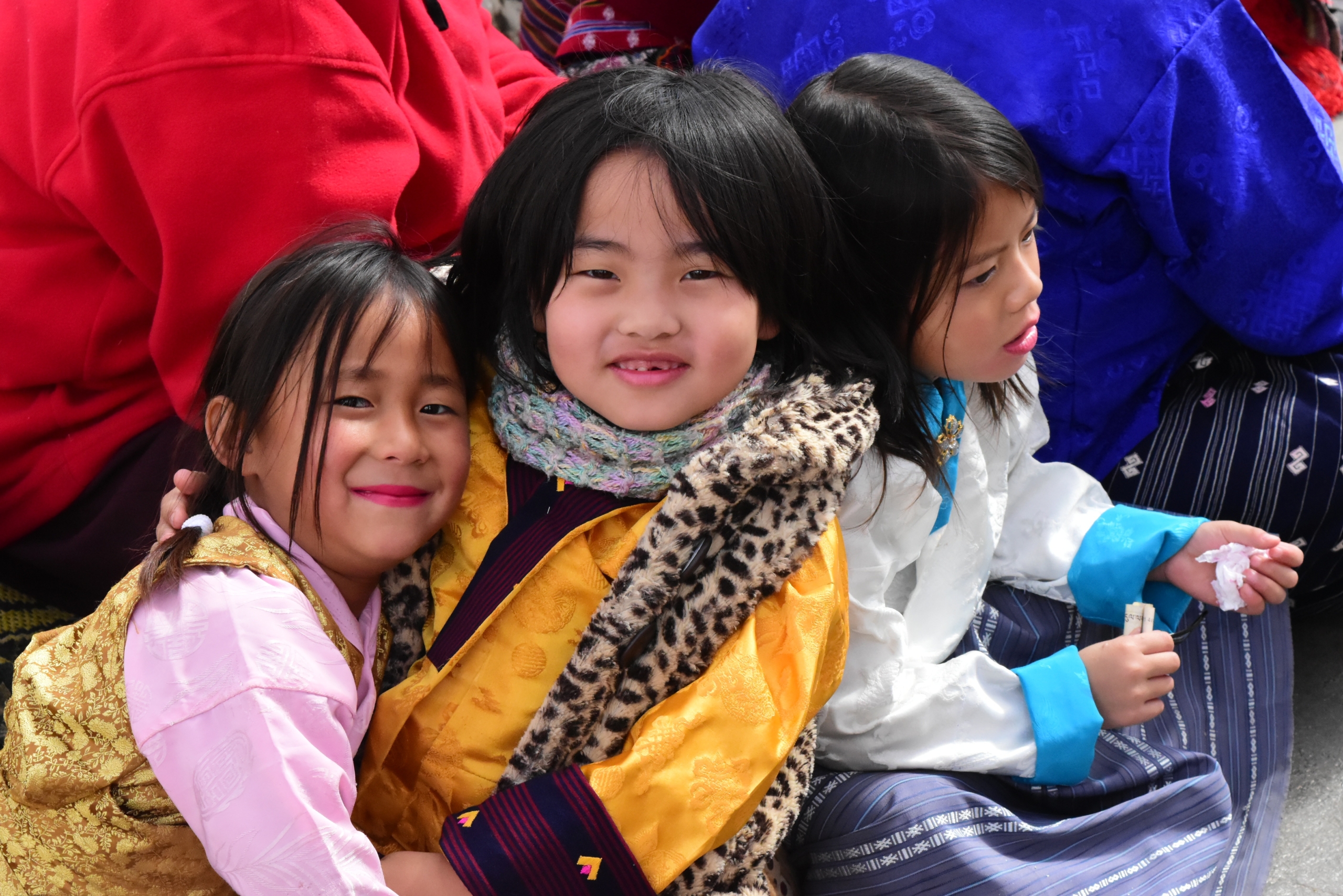 Child marriage remains a pressing concern in Bhutan, casting a shadow over the lives of countless girls and perpetuating cycles of poverty and inequality. Despite efforts to address this harmful practice, cultural norms, poverty and gender disparity continue to fuel its prevalence.
Child Marriage Statistics in Bhutan
According to a report from the United Nations Children’s Fund (UNICEF), 26% of women aged 20 to 24 in Bhutan were married before the age of 18, with 6% of them getting married before age 15. These numbers translate to more than 79,000 child brides in the country, with 1 in 4 young women experiencing marriage during childhood. Particularly prevalent in regions like Samdrup Jongkhar, Dagana, Sarpang and Mongar, child marriage persists as a deeply entrenched social issue.
Factors Driving Child Marriage
Poverty emerges as a significant driver of child marriage, as families from less educated and economically disadvantaged backgrounds often resort to marrying off their daughters early. Limited education among teenage girls exacerbates the problem, with more than 70% of child brides having received minimal or no formal education. Although urban areas have seen a decline in child marriage rates, rural regions continue to grapple with the practice, perpetuated by traditional customs like cross-cousin marriages and arranged unions among children.
Consequences of Early Marriage
The consequences of early marriage are dire, particularly concerning girls’ health, education and overall well-being. Shockingly, 90% of women (who were married before age 18) aged 20 to 24 in Bhutan have given birth before the age of 18 or 20, posing significant risks to maternal and neonatal health.
Moreover, early marriage erects formidable barriers to accessing education and socioeconomic opportunities for young women, further entrenching cycles of poverty and inequality. Married girls are also at heightened risk of domestic abuse and pregnancy-related complications and are more prone to dropping out of school, with far-reaching implications for their prospects.
Initiatives to Combat Child Marriage
Bhutan has taken steps to address adolescent health issues and combat child marriage through initiatives like the Youth Friendly Health Services program. The program, active from 2013 to 2018, aimed to improve youth access to health care while discouraging early marriage and increasing community awareness.
Grassroots efforts, supported by the United Nations Population Fund (UNFPA), have also seen 20 communities publicly commit to eradicating harmful practices, including child, early and forced marriage. In alignment with these efforts, Bhutan’s Marriage Act of 2017 establishes the legal marriage age at 18 for both genders, with no exceptions.
Furthermore, the Child Care and Protection Act (CCPA) deems engagement in marriage or sexual activity with a child as statutory rape. However, enforcement of these laws remains lacking, particularly in remote rural areas.
Call for Comprehensive Strategies
However, it is imperative to recognize that lasting change requires sustained commitment and collaboration from all stakeholders involved in addressing this critical issue. To effectively combat child marriage, concerted efforts are needed from governmental, civil society and international entities to enforce existing laws and address underlying factors such as poverty and gender disparity.
By advocating for change at multiple levels, a world where every girl has the opportunity to realize her full potential and lead a life of dignity and empowerment can be created.
– Sandeep Kaur
Sandeep is based in Manchester, UK and focuses on Global Health and Politics for The Borgen Project.
Photo: Wikimedia Commons
