Creating Solar Farms on Brownfields
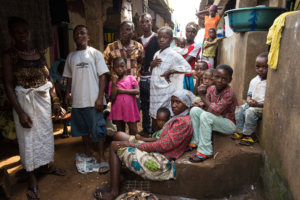
Brownfields are areas of land that are vacant due to contamination. In recent years, solar firms have built hundreds of solar farms on brownfields to utilize the empty space. Brownfields are often located near low-income communities that lack affordable access to power. Installing solar farms on brownfields promotes environmental sustainability and can provide cheap, clean power access to local communities.
Jobs and Access to Power
Building solar farms on brownfields can create jobs and transform abandoned land into an economic and environmental asset for low-income communities. Both site owners and local communities have saved millions in energy costs from transforming brownfields into hotspots of renewable energy, according to the United States Environmental Protection Agency. Affordable access to electricity can help alleviate “energy poverty” in low-income communities that surround brownfields. Energy poverty is the phenomenon in which people experiencing poverty have the least access to power. Therefore, they are more likely to remain impoverished, according to the World Bank. Installing solar farms in brownfields could help provide electricity to the 1.1 billion people worldwide who lack access to it. Transforming brownfields into solar farms is a sustainable method of providing affordable energy to low-income communities.
Land Reuse and Protection
Installing solar farms on brownfields often involves land restoration, reuse and protection, which all serve nearby communities. For example, solar panels can sit atop a landfill without digging into the ground and damaging the land’s foundation, creating unwanted pathways for stormwater or puncturing the top of the landfill. Solar panels can also have a design that complements the pre-existing materials on the brownfield, like mill tailings, without further damaging or contaminating the land. Additionally, solar firms often avoid disrupting the soil as much as they can by mindfully designing, installing and operating their solar farms. Transforming brownfields into solar farms is a non-disruptive, and often even protective, method of utilizing vacant land while simultaneously providing clean, affordable energy to low-income communities.
Benefits of Sustainable Energy
Brownfields can offer solar power as a main source of energy to low-income communities, and renewable energy has a variety of social benefits. For one, renewable energy can be less expensive than non-renewable energy, especially when it comes from a local source. It can also minimize low-income families’ reliance on public utilities to provide them with energy. Solar energy is a reliable source of power that essentially will not run out. Renewable energy also reduces pollution, which creates a healthier environment, especially in places with brownfields and ample contamination. A healthier environment can often lead to a healthier population, both mentally and physically. Additionally, solar farms require people to build, operate and maintain the equipment. Therefore, building solar farms on brownfields can employ people in surrounding communities and help them support their families while also preserving the environment.
Creating solar farms out of brownfields has social, economic and environmental benefits. Countries around the world can utilize vacant, contaminated land to preserve the environment and help lift low-income communities out of poverty. Turning brownfields into “brightfields” could be the next great step in reducing energy poverty.
– Cleo Hudson
Photo: Flickr
