Women and Water Scarcity in Ethiopia
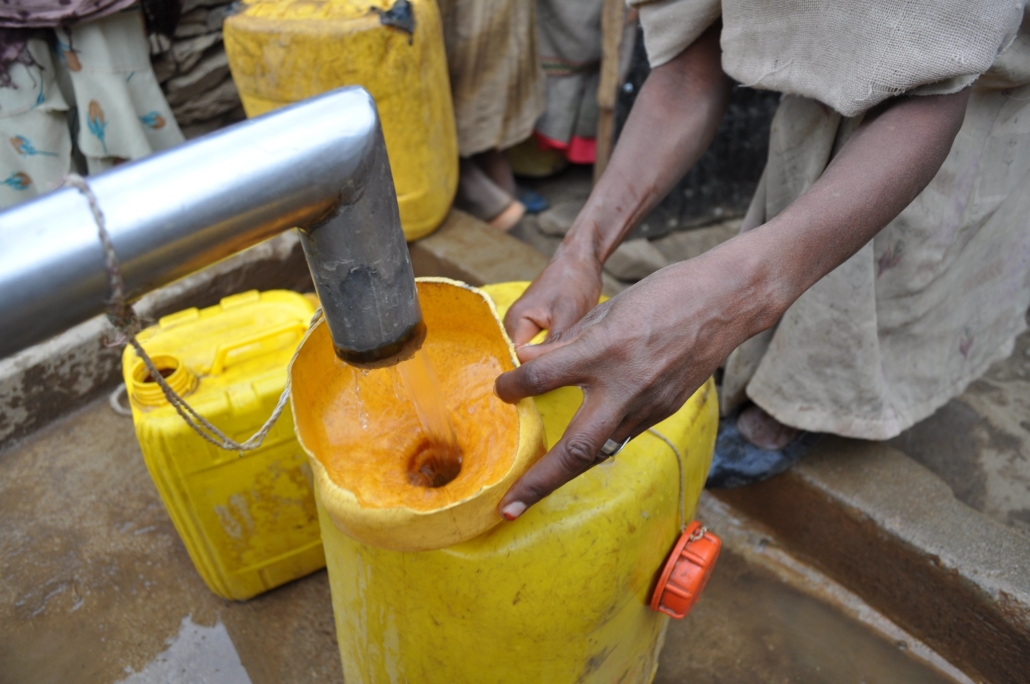 Ethiopia’s water supply is scarce — only 42% of the population has access to clean water. For those that don’t have access to clean water, women bear the brunt of the work to get it for their families. Therefore, water scarcity in Ethiopia is, though some might not realize it, a women’s issue.
While men work and try to earn money, mothers, wives, and young girls carry the water burden, both physically and metaphorically. These women walk long distances, often three hours or more to get clean water for drinking, bathing, washing clothes and more. These long distances take away valuable time from these women’s lives. Mothers often have to bring their young children on these long journeys or risk leaving them by themselves. Instead of spending time taking care of their children or working, many take six to eight hours every day collecting water and returning home. As for young girls, many sacrifice their education to get water, causing their chances of escaping poverty to dwindle. Women also have to carry heavy jerry cans for long distances, which could lead to physical strain or other health issues.
The Economics of Water Scarcity in Ethiopia
Water scarcity in Ethiopia affects 61 million people who do not have access to safe water. Although the water that they have access to may not be safe, many Ethiopians have no choice but to pay for their dangerous water supply. Water from sources like unprotected ponds and shallow wells can cost some Ethiopians around 20% of their total income.
Since this water is not safe, many people also get sick from water-borne illnesses like cholera and diarrhea, which takes time, money and energy away from working or finding a way to earn money, catapulting Ethiopians further into poverty.
Organizations Helping Supply Water
There are several organizations with a mission to supply water to people in countries that face water scarcity, including Ethiopia. WaterAid UK is one of these organizations. The organization supplies areas with a scarce water supply, like remote villages, with access to clean water. For example, WaterAid UK installed a 400-meter pipe from a spring which pipes water down to the center of the village of Ferenji in Ethiopia. The organization has supplied 26.4 million people with clean water since its establishment in 1981.
Another organization bringing clean water to Ethiopia is charity:water. Founded in 2006, charity:water uses different methods including piped systems, hand-dug wells, drilled wells, gravity-fed systems, spring protections and latrines to provide Ethiopians with clean water. Their efforts so far have helped 3,025,007 Ethiopians gain access to safe water.
A Progressive Future
Water scarcity in Ethiopia proves to be a burden for women, causing them to sacrifice work, education, money and providing for their families. Many do not have a choice but to make the long treks to retrieve clean water, but several organizations use their resources and funds to build water sources for Ethiopians. These efforts will help lessen the water burden for women across Ethiopia and allow them to focus on progress for themselves and their families.
– Sana Mamtaney
Photo: Flickr
