Enhancing the Education System in Morocco
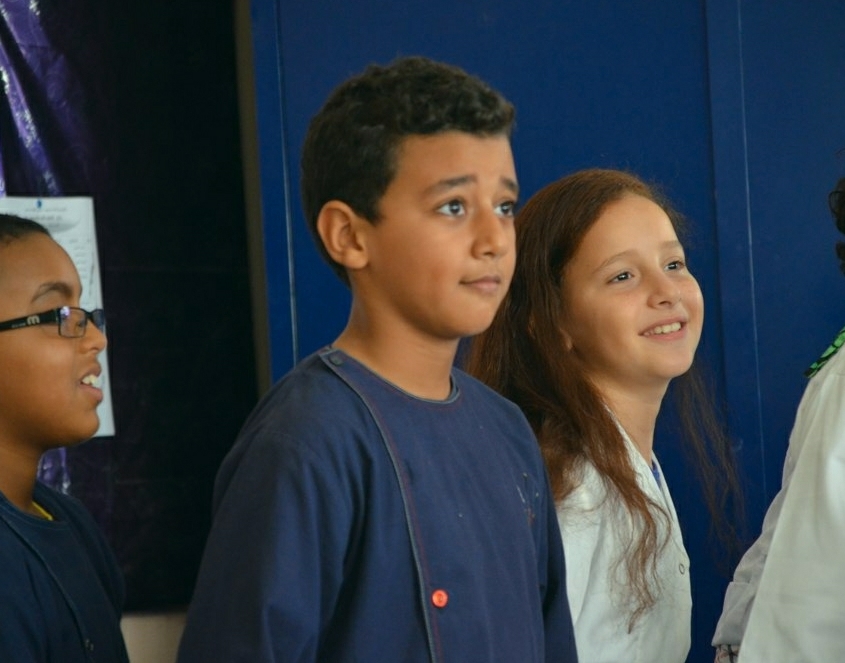
Education in Morocco has faced longstanding challenges, rooted in historical barriers to accessibility and quality. Over the past 30 years, however, the country has adopted new strategies aimed at reversing this trend and strengthening its education system. Here is more information about the education system in Morocco.
The “Decade of Education”
In 1999, Mohammed VI became the king of Morocco. He deemed education one of the main sectors in need of immediate action. Therefore, the years 1999 to 2009 were named the “decade of education.” During this time, reforms would take place under new guidelines, with the main goals of decreasing illiteracy and upgrading the quality of learning. In addition, King Mohammed VI pledged to enhance private education and fight gender-based inequality.
The monarch’s involvement also resulted in a restructuring of the curriculum. Specifically, King Mohammed VI’s reforms restructured the curriculum, extending primary education from five to nine years and shortening secondary from seven to three. He also introduced textbooks incorporating modern teaching principles to improve instruction and learning outcomes.
These lessons targeted students’ needs and increased critical thinking skills. Through this reformed method of education, children learned how to develop a democratic mindset and thus the importance of human rights through science, as well as technological and educational advances.
The Education Revolution
This new curriculum involved information technology studies and the integration of new subjects. Courses such as “Introduction to Education for Citizenship” in primary school, adding French and Amazigh language classes to the curriculum, were all improvements to the education system in Morocco.
During the Decade of Education, the Ministry of Education revised exam schedules to ensure fairness and quality and trained teachers on the use of new technology. These reforms changed how education in Morocco operated, but the Ministry still needed to make changes to ensure the brightest future for the country’s children.
New Education Strategy Vision 2030
In 2019, the World Bank announced that it would contribute $500 million to the 2030 project. This grant extends access to quality education in Morocco, especially in pre-primary schools. It also significantly increases teachers’ skills and competencies as improving human capital for children.
In October 2024, the World Bank announced new commitments across Africa that would directly affect education in Morocco. These targets include reducing learning poverty by 25%, reducing the number of out-of-school girls by 50% and reducing “Not in Education, Employment or Training” (NEET) youth by 30%. With the World Bank reporting an expected “40% increase in Africa’s youth by 2050,” the steps taken now will create positive ripples well into the future.
Hmemsa Organization: Education Program
Another group aiming to improve the education system in Morocco is Hmemsa, a Moroccan nonprofit based in the United States. Its main goal is to help low-income Moroccan households with essential needs and social issues. In a 2021 interview with The Borgen Project, Wafa Bennani shared more of the organization’s aspirations and achievements.
Bennani said the Hmemsa organization is sponsoring two education programs. The first program involved exchanging engineering expertise with American students. Thus, Hmemsa cooperated with the American Society of Engineering Education and other universities in Morocco to engage in an ASEE universal seminar in Morocco.
The second program focused on orphans and impoverished children. Hmemsa’s Orphan Education Program was teaming up with the “Kafala Tifl Association” in Morocco to support and assist vulnerable children ages 5 to 18. The program aimed to help alleviate the financial burden of education for impoverished families and orphanages by providing children with necessary school supplies. Overall, the Orphans’ sponsorship program provided $500 a year toward a child’s education.
Hmemsa’s Success Stories
Bennani also explained in 2021 that the organization had been working with two orphanages in Meknes and Fez for more than six years. The organization planned to extend the program to include different orphanages in other cities as well. So far, Hmemsa’s efforts have resulted in significant achievements.
Bennani expressed that two orphans graduated from high school with excellent overall grades. Additionally, Hmemsa sponsored one of the students to visit the U.S. and learn English at Western University. After this experience, the student went back to Morocco and secured a high-paying job.
Bennani also explained that when it comes to the challenges, mental health in orphanages was an issue Hmemsa saw frequently. With a shortage of special needs education, Hmemsa looked for ways to provide counseling therapists and added support.
2025 Challenges in Education in Morocco
According to 2022 statistics from the World Bank, literacy rates among adults ages 15 and above were at 77%, with males at 86% and females at 69%. Britannica reported, “About three-fourths of school-age males attend school, but only about half of school-age girls; these proportions drop markedly in rural areas.” Despite government and nongovernment efforts to improve education in Morocco, there are still wide gender gaps in learning and attendance challenges across both sexes.
A 2023 article from Broken Chalk stated that with dropout rates consistently high and a shortage of teachers creating larger class sizes, students who do attend are seeing challenges within the classroom. Broken Chalk said, “Moreover, poverty is a significant barrier to education in Morocco, with many families unable to afford school supplies and uniforms, as well as transportation to and from school.”
The Future of Poverty and Education in Morocco
In recent years, Morocco has made enormous efforts to boost its education system and make it accessible to all children. From the “decade of education” strategy to the 2030 vision, Morocco has always been striving for a better way to educate its children. With the help of the World Bank and nonprofit organizations like the Hmemesa organization, education in Morocco is being significantly enhanced for all children.
– Zineb Williams, Jacob Christopher
Photo: Flickr
