• Link to X
  • Link to Facebook
  • Link to Instagram
  • Link to TikTok
  • Link to Youtube
  • About
    • About Us
      • President
      • Board of Directors
      • Board of Advisors
      • Financials
      • Our Methodology
      • Success Tracker
      • Contact
  • Act Now
    • 30 Ways to Help
      • Email Congress
      • Call Congress
      • Volunteer
      • Courses & Certificates
      • Be a Donor
    • Internships
      • In-Office Internships
      • Remote Internships
    • Legislation
      • Politics 101
  • The Blog
  • The Podcast
  • Magazine
  • Donate
  • Click to open the search input field Click to open the search input field Search
  • Menu Menu
Blog - Latest News
Children, Development, Extreme Poverty, Health, Sanitation

Slums, Sanitation and Misery
Slums, Sanitation and Misery

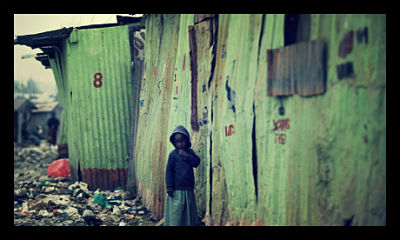
For the people living in the Korogocho slums in Nairobi, Kenya, life can be a constant struggle. The threat of disease and unclean drinking water looms in the minds of those who have no other options but to live in areas with broken sewage pipes and “flying toilets.” These unsanitary conditions put the people in Korogocho at risk for health problems and leave them vulnerable to exploitative water companies.

The typical day for someone living in the slums may involve the use of a flying toilet, a plastic bag used to dispose of human waste. While there are some pay-toilets, most people cannot afford the money to use one. As a result, these plastic bags can be found discarded in the streets of the slums among the broken sewer lines.

As the population in Nairobi grows, more slums are popping up. In Kenya, the number of people without access to toilets has risen to 20%. Access to piped water is even lower in urban areas, 38.4% (and 13.4% of the rural population). These numbers are likely to mimic the sanitation circumstances in Nairobi.

The health implications of unsanitary water systems are illnesses including malnutrition, diarrhea, cholera and typhoid fever. When water mixes with sewage, it creates a breeding ground for inimical viruses and germs. International health organizations and Kenya’s government are eager to improve sanitation in order to save lives. Currently, one in five African children dies from diarrhea before the age of five.

Simple ways to improve the sanitation system in Korogocho include mobile toilets, bucket removal, and dry composting toilets. However, even these solutions can result in human remains ending up in the Nairobi River. The Kenyan population is expected to increase by one million people every year, which will further exacerbate the struggling water and sanitation system. Until these problems are seriously addressed, Kenyans will continue to endure preventable illnesses.

– Mary Penn

Source: IRIN News
Photo: The Guardian

July 1, 2013
Share this entry
  • Share on Facebook
  • Share on X
  • Share on WhatsApp
  • Share on Pinterest
  • Share on LinkedIn
  • Share on Tumblr
  • Share on Vk
  • Share on Reddit
  • Share by Mail
https://borgenproject.org/wp-content/uploads/borgen-project-logo.svg 0 0 Borgen Project https://borgenproject.org/wp-content/uploads/borgen-project-logo.svg Borgen Project2013-07-01 11:20:262020-07-12 20:50:34Slums, Sanitation and Misery

Get Smarter

  • Global Poverty 101
  • Global Poverty… The Good News
  • Global Poverty & U.S. Jobs
  • Global Poverty and National Security
  • Innovative Solutions to Poverty
  • Global Poverty & Aid FAQ’s
Search Search

Take Action

  • Call Congress
  • Email Congress
  • Donate
  • 30 Ways to Help
  • Volunteer Ops
  • Internships
  • Courses & Certificates
  • The Podcast
Borgen Project

“The Borgen Project is an incredible nonprofit organization that is addressing poverty and hunger and working towards ending them.”

-The Huffington Post

Inside The Borgen Project

  • Contact
  • About
  • Financials
  • President
  • Board of Directors
  • Board of Advisors

International Links

  • UK Email Parliament
  • UK Donate
  • Canada Email Parliament

Get Smarter

  • Global Poverty 101
  • Global Poverty… The Good News
  • Global Poverty & U.S. Jobs
  • Global Poverty and National Security
  • Innovative Solutions to Poverty
  • Global Poverty & Aid FAQ’s

Ways to Help

  • Call Congress
  • Email Congress
  • Donate
  • 30 Ways to Help
  • Volunteer Ops
  • Internships
  • Courses & Certificates
  • The Podcast
Link to: Our World’s Young Leaders: Amigos de las Americas Link to: Our World’s Young Leaders: Amigos de las Americas Our World’s Young Leaders: Amigos de las Americas Link to: Poverty in Madagascar Link to: Poverty in Madagascar Poverty in Madagascar
Scroll to top Scroll to top Scroll to top