Protecting the Health and Human Rights of Refugees During COVID-19
 One of the most important factors in beating the coronavirus is ensuring that everybody has access to public health. According to The New Humanitarian, this has pushed numerous governments to double down on their efforts to protect the health and human rights of refugees, migrant workers and asylum seekers who may have not been able to afford access to these services pre-COVID.
In March as the worldwide outbreaks quadrupled and human rights organizations around the world urged governments the dangers the coronavirus would impose on refugees and asylum seekers. The World Health Organization, the UNHCR and several other organizations put out a joint press release that pressured governments to release migrants and undocumented individuals from immigration detention centers as well as include them in public health relief efforts. Here are three countries that have prioritized protecting the health and human rights of refugees during COVID-19. They show that these policies could be sustained even beyond the crisis.
Countries Protecting the Health and Human Rights of Refugees During COVID-19
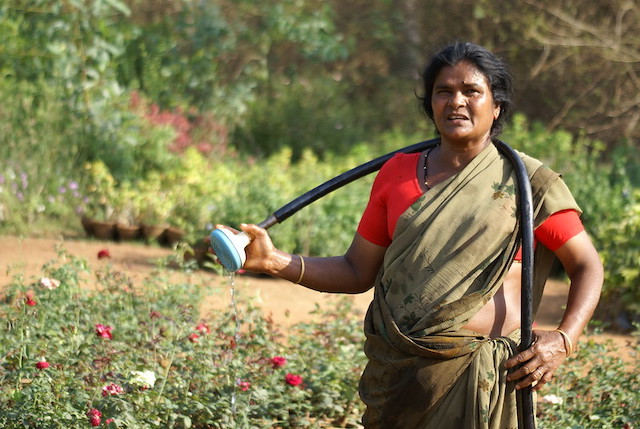
- Italy: Italy has one of the highest infection rates with 238,159 confirmed cases and 34,514 deaths. Italy’s fields have also attracted migrant workers from Eastern Europe. On May 13, the Italian government passed an amnesty law allowing around 200,000 migrant workers and undocumented refugees to apply for healthcare and 6-month legal residency permits. The downside of this new step is that the bill only applies to agricultural workers, leaving out many of the workers in the informal sector who perform labor in construction or food services.
- Portugal: Migrants and asylum seekers in Portugal with applications that are still in process are now being granted early access to public services that include welfare, rental contracts, bank accounts and national health service. Claudia Veloso, the spokesperson for Portugal’s chapter of the Ministry of International Affairs, told Reuters that “people should not be deprived of their rights to health and public service just because their application has not been processed yet.”
- Brazil: Brazil has the highest rate of outbreaks second to the United States, and President Jair Bolsonaro has continuously dismissed the severity of the virus and failed to respond effectively to outbreaks. So, it has fallen to local community organizations, donors and local authorities to enforce these regulations and double down on the effort to get everybody treated. The Paraisópolis community group started running a quarantine center in partnership with health workers, NGOs and medical centers. The center has around 240 volunteers monitoring the health of at least 50 families at a time. It acquired sanitation supplies and personal protection equipment through crowdfunding. The group is providing food and medical aid to undocumented migrants.
Amnesty International stated that in order to fix the refugee crisis “the world urgently needs a new, global plan based on genuine international cooperation and a meaningful and fair sharing of responsibilities.” Policy experts are hopeful that these new policies will help governments to consider new possibilities for a more humane approach to helping displaced migrants and asylum seekers in the future. The health and human rights of refugees need to be protected.
– Isabel Corp
Photo: Flickr
