Teaching Sanitation Practices in Tanzania with Project SHINE
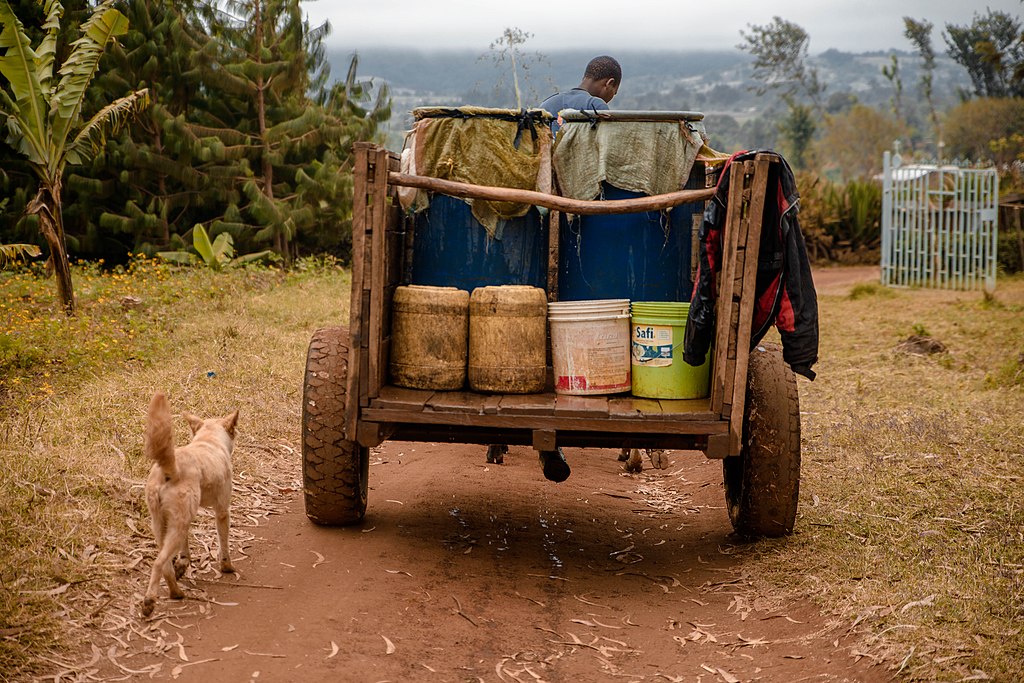
Tanzania has made considerable strides in decreasing extreme poverty. For example, from 2007–2018, the country’s poverty rate declined from 34% to 26% (of the total population). However, this progress in poverty reduction has not translated as successfully when addressing sanitation. Improving sanitation practices in Tanzania directly relates to decreasing infant mortality and malnutrition. Currently, 23 million of Tanzania’s 57 million residents obtain drinking water from potentially hazardous sources. Acknowledging these disparities and the value of potable water in eradicating poverty, the initiative Project SHINE works in rural communities where low access to clean water and poor hygiene practices are common. The organization is on a mission to improve sanitation by inventing cost-effective, simple solutions that enhance hygiene in Tanzania.
Poor Sanitation and Resulting Diseases
Poor sanitation practices in Tanzania contribute to a host of preventable infections in the country. Tanzania suffers frequent cholera outbreaks, which cause extreme diarrhea and dehydration. Diarrheal disease is one of the largest contributors to child mortality in countries facing extreme poverty. Moreover, those who do survive, suffer developmental obstacles. Cholera, as well as the related disease typhoid, can transmit through drinking water polluted with human feces. Open excretion, a widely spread issue in Tanzania, is easily preventable by developing water sanitation infrastructure.
In terms of parasitic infections, malaria commonly transmits through mosquitoes. This illness and schistosomiasis easily spread due to a lack of proper drainage systems in Tanzania. Finally, skin, eye and oral infections are a common result of the lack of knowledge among Tanzanians regarding proper hygiene practices.
Rural communities in Tanzania learn and influence hygiene practices based on previously established knowledge and cultural practices. Therefore, many children are predisposed to the same habits — and therefore, the same risks as their families. To help combat these norms that often pose significant health risks, Project SHINE is introducing innovations in sanitation and hygiene for Tanzanians.
Sanitation and Hygiene Innovation in Education (SHINE)
Project SHINE uses science to educate children and motivate changes in their hygienic behaviors by cooperating with schools. The program also reaches out to parents and other community members to develop a better understanding of attitudes toward health within this field. Through its educational initiatives, Project SHINE engages pastoralists who, even though many children come from these families, often lack access to resources and are actively involved with livestock. In particular, SHINE highlights the importance of both animal and human health for these audiences.
Education Strategy: Science Fairs
Project SHINE promotes science fairs in its target schools to encourage greater conversation and education about sanitation. These events focus on three subjects: water, sanitation and hygiene. This project’s aim is to help motivate youth, health care workers and community members to adopt improved health care practices. The long-term goal of motivating future generations to permanently incorporate these habits into their daily routines is paramount.
During this process, teachers receive private training in separate workshops where they gain strategies for presenting hygiene and sanitation to students in engaging ways.
Students engage in these science fairs by conducting research and forming hypotheses. One project students can complete, for example, is to create sustainable hand-washing stations using local, low-cost materials. Project SHINE also incorporates a One Health Paradigm that emphasizes the connection between livestock, humans and the environment. Notably, this is a relevant framework for children from pastoral families. Overall, fitting sanitation practices in Tanzania into the school curriculum has become a priority for SHINE.
The Journey Ahead
Progress for hygiene and sanitation practices in Tanzania has been a long, difficult journey for many families who still struggle to obtain clean water. Nevertheless, interventions from Project SHINE have already made significant differences. The initiative is planning to expand to other parts of the community, including out-of-school youth and the disabled. Overall, the work of Project SHINE offers promise for the health and prosperity of thousands across Tanzania.
– Zoe Schlagel
Photo: Wikimedia Commons
