George Mason University Professor Researches Obesity in Kenya
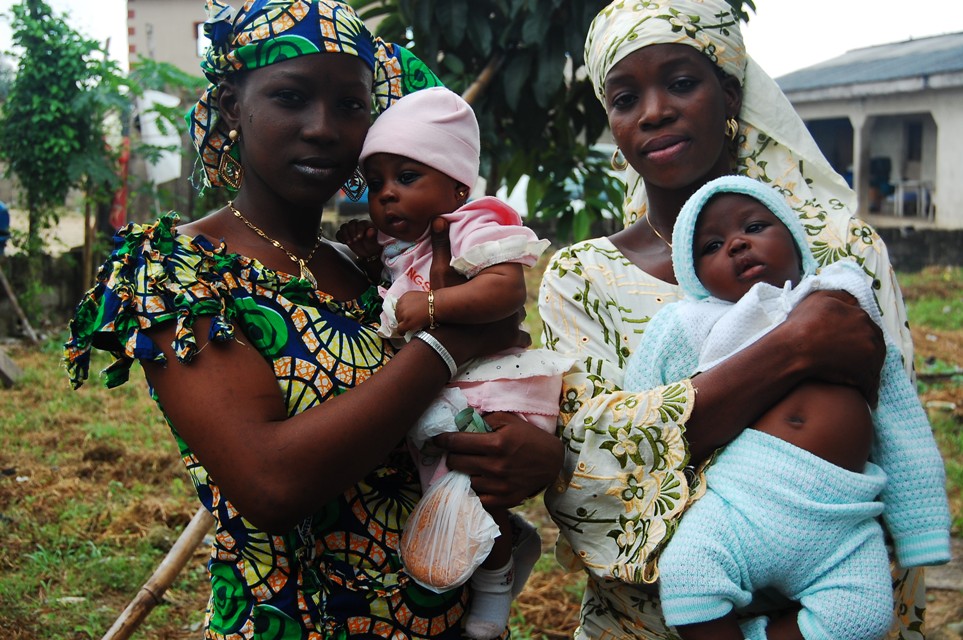
For more than 10 years, Dr. Constance Gewa, a George Mason University professor and nutrition expert, has researched food security in her home country, Kenya. With each study, she has shined a light on different aspects of nutrition for women and children in the country. In 2019, when she returned for further research about obesity in Kenya, she came with more than questions — she brought some answers, too.
Although Kenya has the classification of being a low-income country, the number of citizens struggling with obesity in Kenya is beginning to rise. This comes as a result of globalization and a growing international market. According to Gewa, Kenya is experiencing a nutritional transition as the country is importing more than it is exporting. Having previously survived on its own market and agriculture, Kenya now stocks stores with cereal, instant noodles, chips and cookies. These foods have cheaper prices and are extremely accessible to children, whose schools often provide them. However, they can also lead to obesity.
Childhood Obesity in Kenya
In 2009, Gewa published a study titled Childhood overweight and obesity among Kenyan pre-school children: association with maternal and early child nutrition factors that addressed Kenya’s need to prevent overnutrition as well as treat malnourishment. Of the almost 1,500 children aged 3 to 5 whom she studied, Gewa found 18% to be overweight and 4% to be obese.
This may be due to mothers’ nutrition. A child whose mother is overweight due to a poor diet is 83% to 112% more likely to become obese. Gewa found that factors such as the duration the child exclusively breastfed were also important. She determined that children who solely breastfed for more than 24 months had a 45% decrease in obesity risk. In other cases, a mother believes that breastfeeding will not nourish her child enough and prematurely introduces other foods into the child’s diet. Popular alternatives to breastmilk include infant formula, solid food like bananas and rice as well as cow’s milk. All of these foods are too high in calories for the child, resulting in weight gain.
Mothers with a lower income and education are more likely to breastfeed, and therefore give their child a lower risk of becoming obese. A mother with primary or higher education will typically have a higher income, allowing her to purchase other foods to supplement breastfeeding. However, this does not mean that children living on a lower income are immune to the dangers of obesity in Kenya. Processed and fried foods are becoming cheaper and more accessible. Some Kenyans have explained that french fries and donuts are cheaper than fresh produce, and they cannot afford to prioritize nutrition.
Breastfeeding and Traditional Food
In 2016, Gewa published two papers. The first investigated maternal knowledge and the cessation of breastfeeding. From this study, Gewa concluded that early breastfeeding practices, a mother’s understanding of the recommendations regarding breastfeeding, the health of the child as well as the mother and social acceptability all determine how long a mother exclusively breastfeeds. If a mother is knowledgeable of the benefits of breastfeeding and feels comfortable breastfeeding at home and in public, she is more likely to breastfeed for a longer duration.
Gewa’s second 2016 study examined maternal beliefs and accessibility to indigenous and traditional food. Her research indicated that less than 60% of Kenyan mothers consumed indigenous traditional foods (ITF), but 52% wished they could eat more of this food. They attributed their lack of ITF consumption to inaccessibility, high prices and poor taste. Gewa stated that when Kenyan health officials discuss food security, they must consider both malnourishment and obesity to avoid “moving from one problem to another.”
Reducing Obesity in Kenya
From these studies, Gewa argues that education on proper nutrition and efforts to make healthy foods affordable are necessary to reduce obesity in Kenya. She used this knowledge to return to Kenya and use her research to spark change. On her return to Kenya, Gewa said, “It is important for study participants and communities to become aware of the research findings because they are stakeholders. I believe that sharing research findings motivates community ownership and participation in identifying solutions.” When Gewa met with the people represented in her study, they were surprised and grateful for her return — they told her no one had ever come back before.
To Gewa, the research is just the beginning. In addition to analyzing obesity in Kenya, Gewa’s work calls for discussion and works with those directly affected to create a greater impact. Local health officials and Kenya’s administration have found an open channel of communication with their constituents through Gewa’s research. While obesity in Kenya remains an issue, it is encouraging to see these steps in the right direction toward health and nutrition prioritization.
– Alexa Tironi
Photo: Flickr
