5 Facts About Venezuela’s Failing Economy
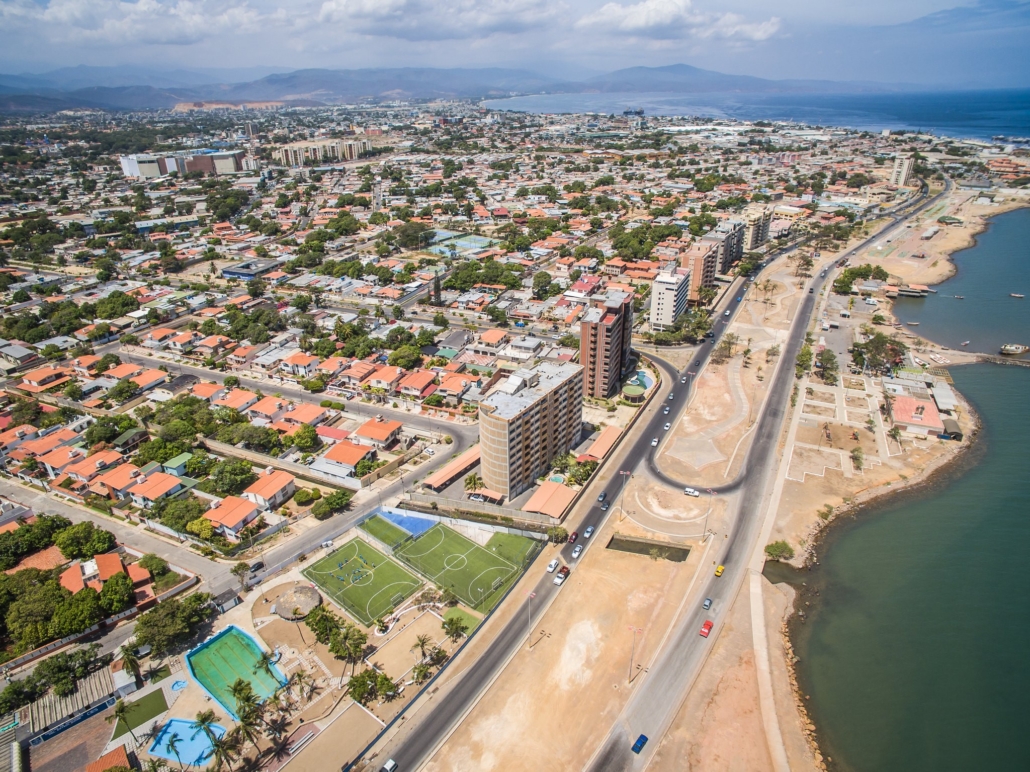
People know Venezuela as one of the most diverse environments in the world because of its natural features, landscape and wide range of wildlife. Venezuela has massive oil reserves and ranks in the top list among countries such as Saudia Arabia, Canada and Iran, making it the most urban country in Latin America. However, in only approximately six years, the country has seen a drastic economic decline. Venezuela’s failing economy has placed the country in headlines across the world. This article will highlight a few casualties resulting from Venezuela’s financial crisis, as well as evaluating its causes.
The Impacts of Venezuela’s Economic Crisis
The extended effects of Venezuela’s economic crisis are hitting those who choose to remain in the country the hardest. Venezuela’s failing economy has led to a severe shortage and rationing of resources, including food, water and electricity. Despite the country being oil-rich, many Venezuelan’s are questioning why they are struggling. “It’s so unfair; we are such a rich country. It’s not fair that this is happening,” Jakeline Moncada told the Washington Post.
Many turn to natural water reserves despite safety concerns as these reserves often come from sewage drains leading to the spread of preventable diseases. Meanwhile, frequent power outages have caused water sanitation facilities to cease proper function. Physicians have noticed an increase in illness that commonly results from contaminated water and food, such as amoebiasis.
Estimates determine that more than 60,000 Venezuelans who started treatment for HIV now lack access to antiretroviral medications as a result of Venezuela’s failing economy. Many Venezuelan’s that could afford medical services before, now experience challenges attempting to access medical and health services. As a result, those dependent on medications must make costly trips to neighboring countries or hope to find donated medicines from organizations outside of the government.
As Venezuela’s economy has drastically decreased, a survey that the country’s top universities conducted estimated that more than two-thirds of the population lives below the poverty line. As the country experiences hyperinflation of 1.7 million percent, many families cannot afford to feed themselves more than one meal a day. Various organizations have ceased publishing the statistics of the country after specific data showed significant negative changes. For example, The Health Ministry stopped reporting data in 2017 after reports indicated a high rise in infant mortality rates. After the inflation rates suddenly rose, Venezuela’s central Bank discontinued publishing its figures in 2016. In this instance, Venezuelan organizations stopped sharing information once the statistics showed unfavorable characteristics.
Accessibility
Venezuela’s failing economy has led to difficulty accessing resources like medicare, and as a result, nearly 10 percent of the Venezuelan population is emigrating to other countries. Although Venezuelans are having a few problems getting out of the country, there has been a more significant challenge getting resources in. The military has restricted many resources from passing through its borders or at least the areas where they have the right to. The Pemón community, which borders along Brazil, has spoken in support of permitting assistance through its territory. This region, known as La Gran Sabana, also contains the only paved crossing between the two countries.
When Nicolás Maduro became president in 2015, many nations did not consider him the country’s leader but rather Juan Guaidó, the Venezuelan opposition leader. As a result, Maduro severed the remaining diplomatic relations between Venezuela and the U.S. as well as ceasing the accessibility of aid into Venezuela. Maduro has resisted outside assistance, describing the efforts as the United States desiring to meddle in Latin American affairs. However, many believe that the sudden decline results from mismanagement of funds and corruption.
Venezuela has several countries willing to provide support as it endures this period of financial difficulty. It will only receive this aid if its government allows, though, as it regulates the resources that pass through its border. Once nations can establish a common interest and agree on how to address the issue, Venezuela’s reconciliation can begin.
– Kimberly Debnam
Photo: Flickr
