A Look at Major Efforts to Preserve Rainforests in Gabon
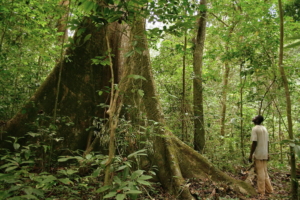
Gabon is a country on the west coast of Central Africa, the equator passing through its center. The country is known first and foremost for its rainforests, which cover more than 80 percent of its terrain. Due to a historic deal with Norway, there now exists a financial incentive for preserving rainforests in Gabon.
Preserving Rainforests in Gabon
The deal, which took place at the 2019 Climate Action Summit in New York, will reward Gabon with $150 million over the course of the next 10 years. In preserving Gabon‘s rainforests, the U.N. hopes to reach net-zero greenhouse gas emissions by the middle of the century.
Norway has been involved in similar preservation efforts in the past, most notably through its partnership with Liberia in 2014. Much of Norway’s partnership with Gabon is mirrored in its work with Liberia, in which Liberia was offered a maximum of $150 million by 2020. The main difference between the two deals involves their retroactive and proactive natures: the deal with Liberia was based on future preservation efforts, whereas the deal with Gabon is based on past accomplishments, as well as future goals for the nation.
Gabon has a quickly developing reputation for preservation. In 2002, the country established its first national park system. The national park system is comprised of 13 parks, one of which, Lope-Okanda national park, is a registered UNESCO natural heritage site.
The new deal was announced by a representative for the Central African Forest Initiative (CAFI). CAFI is a partnership between six Central African countries, the U.N. Development Program (UNDP), the Food and Agriculture Organization of the United Nations (FAO), the World Bank, and a coalition of foreign donors, including the Kingdom of Norway, France, Germany and the United Kingdom.
CAFI was launched at the U.N. Sustainable Development Summit in September of 2015. Its goal, to put it simply, is to assist the governments of the six partnered Central African countries (Gabon, Cameroon, Equatorial Guinea, the Central African Republic, the Republic of Congo and the Democratic Republic of the Congo) and to aid in reform efforts. These reforms are far-reaching, addressing issues of climate change, food insecurities and poverty.
How Does Preservation Help Address Poverty?
Preserving Gabon’s rainforests is currently a central focus of CAFI. What follows are just a few of the ways in which preservation can help alleviate the symptoms of poverty:
- Climate change and the progressive loss of natural environments have a drastic impact on the availability of food and water. Land set aside for agricultural use often experiences extreme flooding or droughts as the problem worsens. Approximately 80 percent of drought damage was absorbed by agricultural land. By preserving the natural environment in Gabon, this danger can be largely avoided.
- Conflict is one of the leading causes of poverty and tends to further divide the classes. By maintaining Gabon’s natural resources, and in turn reducing scarcities of resources, the country will likely continue to be largely at peace.
- When the climate changes, so do prices. As shortages occur, prices rise, and the world’s poor are the most heavily affected by this. It is estimated that those living below the poverty line have experienced a 62 percent spike in their budgets for food in recent years. By preserving Gabon’s rainforests and the country’s environment as a whole, Gabonese people will likely avoid the impacts of further volatility in the market.
– Austin Brown
Photo: Flickr
