The Growing Importance of the Tourism Sector in Timor-Leste
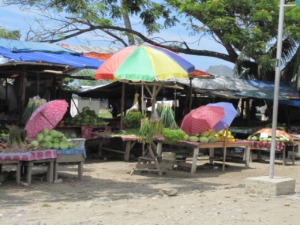 Oil accounts for 90 percent of Timor-Leste’s government revenue, but since 2017 the government has focused on diversifying the economy, attracting investors and developing its rising tourism industry. The small island country gained independence in 1999 and reduced its poverty rate from 50.4 percent in 2007 to 41 percent in 2014. It plans to develop the tourism sector in Timor-Leste in order to attract new visitors, increase revenue
and add jobs. USAID, Chemonics and private investors are seeing economic opportunity in the emerging tourism sector.
Benefits of Tourism Industry Investments
The benefits of developing the tourism sector in Timor-Leste include job creation and increased revenue. Poverty-reduction policies, health care and improved education are possible uses of much-needed revenue to the developing economy. The government’s goal is to attract 200,000 annual international tourists by 2030, which would generate $150 million and add 15,000 local jobs. For reference, total revenue for Timor-Leste was $300 million in 2017. Chemonics is currently working with the government and USAID’s Tourism for All Project to develop Timor-Leste’s tourism industry.
Since the tourism sector in Timor-Leste is new, one task stated by Peter Semone, chief of party for the USAID Tourism for All Project, is to explain the benefits of tourism to Timorese that might object to the rising tourism industry, especially in terms of its environmental impact. Marine tourism, particularly on Atauro Island, is expected to flourish once the tourism industry is further developed. One priority is convincing wary Timorese that the rising tourism industry means increased revenue to the government or directly through selling services and/or products.
Achievements by USAID’s Tourism for All Project
The USAID Tourism for All Project began in January 2018 and is slated to end in January 2021. Its goal is to expand and improve the Timorese tourism industry using a comprehensive and sustainable approach. The project costs $9 million and its focus is directed towards two main areas: ensuring laws, institutions and policies are in place to implement the national tourism policy that began in 2017, providing sustainable private sector tourism investments and participation by Timorese communities and replicating successful models for future use.
There are five major achievements of the USAID Tourism for All Project. One accomplishment of USAID’s coordination with the government of Timor-Leste is the registration for a Mt. Ramelau Tourism Partnership that is currently in progress. Mt. Ramelau is a sacred mountain and major tourist attraction. USAID also facilitated the process of Atauro Island residents creating a vision, mission and tourism action plan for the next three years and began registration for the Tourism Partnership of Atauro. Atauro Island is the most marine biodiverse location in the world. USAID and Timor-Leste anticipates a booming ecotourism industry on the island.
Grants programs were also launched under the project to encourage tourism entrepreneurs to invest in targeted areas. One final achievement is the establishment of a working group involving the Secretary of State for Arts and Culture, UNESCO and local non-governmental organizations for conservation and preservation of tais, a hand-woven textile used to make scarves and bags. Tais was proposed for UNESCO Intangible Cultural Heritage recognition.
Future Economy of Timor-Leste
Semone stated that “tourism is the base to improve the service industry and the culture of service in the country. It is also an excellent factor to foster the development of a private sector of SMEs but also a way to raise environmental consciousness for locals.” With the help of Chemonics, USAID and other organizations, Timor-Leste’s tourism sector shows promise in reaching the goal of attracting 150,000 international tourists and adding 15,000 by 2030.
– Lucas Schmidt
Photo: Flickr
