Care for Children with Ebola in the Democratic Republic of the Congo
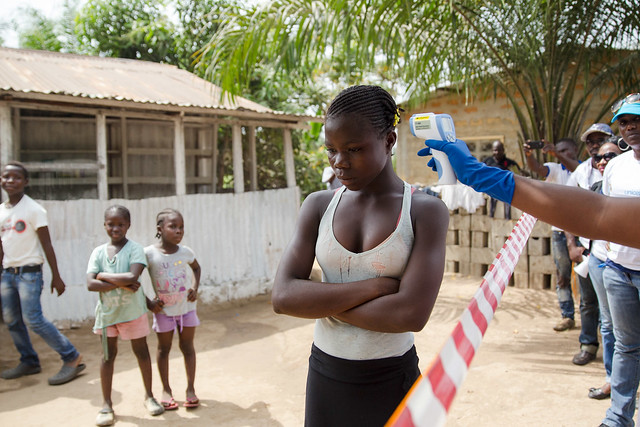
In July 2019, there were 750 reported cases of Ebola among children. This is in comparison to 20 percent dating back to prior epidemics. Children are particularly vulnerable to contracting Ebola and require special care to treat the disease. Also in July 2019, about one-third of children have accounted for the nearly 1,700 people who lost their lives to Ebola since August 2018 in The Democratic Republic of Congo. Additionally this month, over 2,500 individuals have been diagnosed with the illness. The nation has begun working with the World Health Organization (WHO) along with other health advocacy organizations such as UNICEF to help cure Ebola.
Children and Ebola: The Numbers
Children under age five are at the highest risk and often suffer the worst symptoms. Out of the 750 cases reported, 40 percent of children under age five were diagnosed with Ebola. Young children are also most likely to die from this disease, as their fatality rate is 77 percent. This is in comparison to 67 percent for other age groups.
Symptoms and Treatments
Manifestations of Ebola encompass fever, headache, diarrhea, and sometimes blood vessel discharges. Prompt detection and sufficient medication are effective in curing the disease.
Because children are more susceptible to contracting Ebola and due to the difference in symptoms in comparison to adults, children with Ebola require differentiated medical care.
Medical personnel has articulated that special treatments are necessary for children suffering from Ebola. They require different and exclusive treatments to focus on children’s individual psychological and social requirements.
Treatments for children with Ebola consist of the same drugs that are used to treat other age groups. Of course, distinct quantities differ. Young children also receive zinc to cure diarrhea and intestinal parasite infections as well. Undernourished children must receive different medication. For example, they are given food that is precisely manufactured for their needs.
Orphaned and Abandoned Children
Hundreds of children are either orphaned or abandoned due to their parents becoming infected with Ebola. UNICEF has organized nursery settings in conjunction with treatment centers. Survivors even serve as caregivers.
Children whose parents have been diagnosed or die from Ebola are at an increased risk of being condemned and forsaken, as their chances are much higher of contracting the disease. Within the treatment centers, all patients undergo examinations on a daily basis.
For orphan children, The Democratic Republic of Congo works to set up arrangements with other family members for the child to live. Additionally, the country is providing nutrient guidelines and covering the cost of fees to allow children to attend school.
Specialized Care for Children
Pediatricians work with children within the Ebola Treatment Centers to deliver focused treatments for children with Ebola. Treatment is based on the patients’ individual needs. Every child that has lost parents to Ebola, or has been separated as a result of their illness, receives specialized care. They are cared for by Ebola survivors who provide comfort. They also transport the child to visit their parents receiving medical care at the Ebola Treatment Centers. In addition, counselors are also present to provide support to families throughout the duration of their treatment.
Nutritionists are also present in the treatment centers to deliver personalized nutrient guidelines to those who are likely to have the disease, as well as those who have been diagnosed already. As a result of these health innovations, these types of care have proven to improve sufferers’ conditions.
International Intervention to Eliminate Ebola
Save the Children is a nonprofit organization that began in the United Kingdom in 1919. Their goal is to advance children’s lives in various aspects, such as education, healthcare and employment. Additionally, the organization supplies relief in response to natural disasters and war.
WHO, in conjunction with Save the Children has declared the current Ebola epidemic in the Democratic Republic of Congo to be a public health emergency of international concern. Due to the outbreak duration of nearly one year, further actions are being implemented to eliminate further cases of Ebola and to provide treatment for children with Ebola. It is predicted that if the outbreak of Ebola continues, the surrounding countries will be affected as well.
Several hundreds of government officials and health personnel are working to cure those infected by the disease and prevent further cases. Save the Children is promoting advocacy efforts in curing Ebola through communal action and informational sessions. These efforts are to ensure that all age groups are informed of prevention practices.
Since the beginning of the current epidemic, Save the Children has provided one million individuals with advice relating to symptom detection and how to prevent the spread of Ebola. Health workers receive training on how to treat those infected with Ebola. Patients are separated and the disease is then traced. Save the Children also educates the public about the disease.
Save the Children has also delivered various supplies to health practices and border crossings in addition to establishing sanitation facilities in order to decrease further infections and to provide treatments for children with Ebola.
Bringing Hope to Children in the Democratic Republic of the Congo
Thanks to international intervention and specialized care, children in the Democratic Republic of the Congo are receiving the treatment they need to fight against Ebola. There is still much to be done, but as long as aid efforts continue, there is hope for these children’s futures.
– Diana Dopheide
Photo: Flickr
