Azithromycin Could Help Ethiopian Children
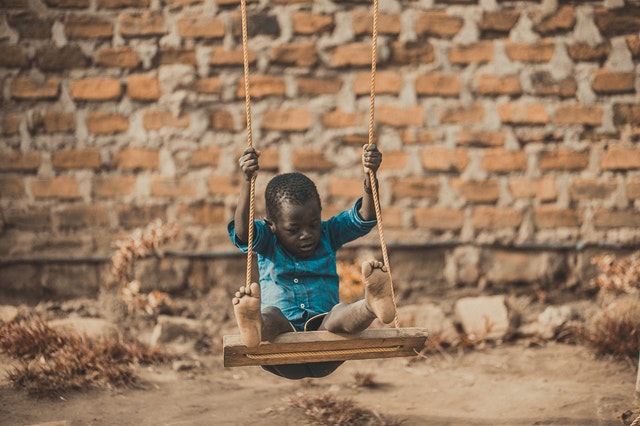 Africa has the highest child mortality rate of any continent. Ethiopia sits in the middle of the child mortality ranking of countries throughout Africa with 59 out of 1,000 children dying before the age of five. While it is not as high as the rate of 76 per 1,000 children found in sub-Saharan Africa, it is much worse than many developed nations, which average around 6 deaths per 1,000 children annually. New research, however, shows that childhood mortality can be significantly lowered in Africa using an antibiotic that could help Ethiopian children prevent blindness.
Azithromycin Helps Ethiopian Children
Trachoma is the leading bacterial infection that causes blindness. In an effort to lower the number of cases of trachoma, researchers preemptively gave azithromycin, an antibiotic effective at fighting trachoma, to thousands of children under the age of nine in Ethiopia. The researchers administered these doses of azithromycin to children twice a year.
After observing the children for several years, they came to a shocking discovery: azithromycin will help Ethiopian children live longer. Not only did the bi-annual antibiotic prevent against trachoma, as the researchers believed it would, but it also protected against many other common ailments as well. For those children in the case study, the childhood mortality rate was cut in half.
The discovery seemed too good to be true, so this group of researchers tried to replicate their findings in other African nations with higher child mortality rates. Close to 200,000 children were given azithromycin in Tanzania, Malawi and Niger. While the results were not quite as impressive as cutting the child mortality rate in half, as seen with Ethiopia, the results were still high. The twice-yearly drug lowered child mortality rates between 14 to 19 percent in each country.
Research Into Other Illnesses
Research must continue before Africa will see widespread use of azithromycin for children. If approved for widespread use, this antibiotic could help prevent some of the common illnesses that lead to child mortality. These common illnesses include:
- Pneumonia: Pneumonia kills nearly 100,000 children per year in Africa. This accounts for 16 percent of childhood death under the age of five. Currently, when children contract pneumonia, only one third are able to receive lifesaving antibiotic treatment.
- Diarrhoeal disease: Diarrhea is the leading cause of death in children under the age of five. Diarrhea is a common infection in the bowels. It is completely preventable and treatable, yet it is estimated that 525,000 children in Africa die annually from this illness.
- Malnutrition: Malnutrition contributes to childhood mortality rates. While the use of azithromycin will not be able to prevent malnutrition, it may be able to help prevent other ailments that the body is not able to fight off because of the lack of nutrients and calories.
Long term effects of azithromycin used to prevent ailments in children are not known. However, the studies have shown promising results in saving the lives of hundreds of thousands of African children. With a few more years of research and more funding, these researchers may be able to permanently lower the childhood mortality rate in Africa. Not only will this research continue to help Ethiopian children but it will also help children of other nations, ensuring they live into adulthood.
– Kathryn Moffet
Photo: Pexels
