8 Facts About Education in Eswatini
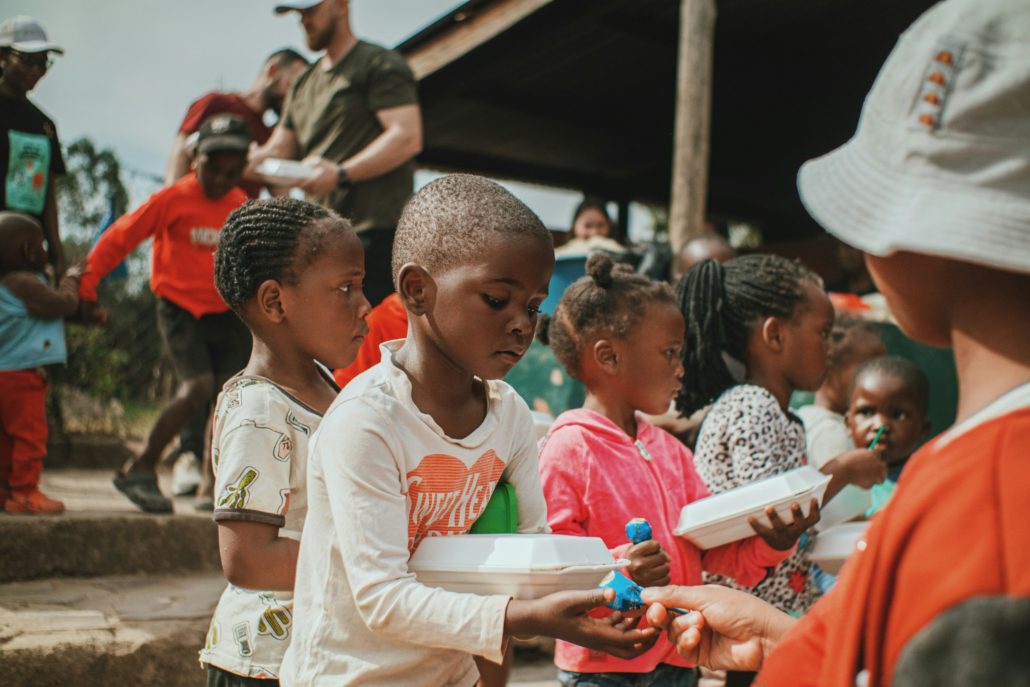
Eswatini, formerly Swaziland, is a low-middle-income country in Southern Africa. Here are eight facts about education in Eswatini and how this Southern African nation educates its next generation.
8 Facts About Education in Eswatini
- Eswatini has a 7-5-4 structure for its education system. This means that the progression of education consists of seven years of primary education, followed by 5 years of secondary education (junior secondary for 3 years and senior secondary for 2 years), and finally tertiary education for four years.
- Primary education in Eswatini is free. This means that students do not have to pay tuition for any school materials through the end of grade 7. The EU further supported this effort from 2010 to 2018 by paying for the education of students in grade 1.
- There is significant room for improvement in learning outcomes for primary school students, according to the UNICEF Eswatini Annual Report 2025. The completion rate for primary school is 80%, but just 16% of students in grades 2 and 3 exhibit basic reading capability, and only half that exhibit basic math capability, showing that educational attainment in primary school is very low.
- Although completion rates for secondary school have improved substantially, the latest UNESCO estimates show that 86.9% of girls and 94.7% of boys completed lower secondary education in 2024. At the upper secondary level, completion rates were considerably lower, at 66.4% for girls and 69.6% for boys.
- The Eswatini government has made a commitment to spend 15% or more of the national budget on education every year, demonstrating a commitment to its education system. In 2023/2024, 19% of the budget went towards education, making education the third-highest-funded sector of the budget.
- Eswatini’s Education Sector Strategic Plan 2022-2034 outlines seven areas for Eswatini’s education sector to focus on: bettering the quality of education, increasing retention of students, improving transitions in the education system, developing teachers, financing education in an equitable manner, improving students’ access to education and increasing the resilience of the education system following a crisis such as COVID-19.
- Eswatini’s literacy rate in 2022 was 91%, significantly higher than its literacy rates of 82% in 2000, 67% in 1986, and 55% in 1976. Thus, it is clear that the ability of Eswatini’s population to read and write is improving by generation.
- As of 2017, 43% of the population of Eswatini was between 0 and 17 years old. Investing in the well-being and education of the youth population is essential to The country’s long-term development goals.
Looking Ahead
Although there is room for improvement in Eswatini’s education system, the country is dedicating many resources towards improving the education that its young population receives and creating a brighter future for them.
– Daria Locher, Jackson Mayer
Photo: Unsplash
