Women’s Rights and Femicide in El Salvador
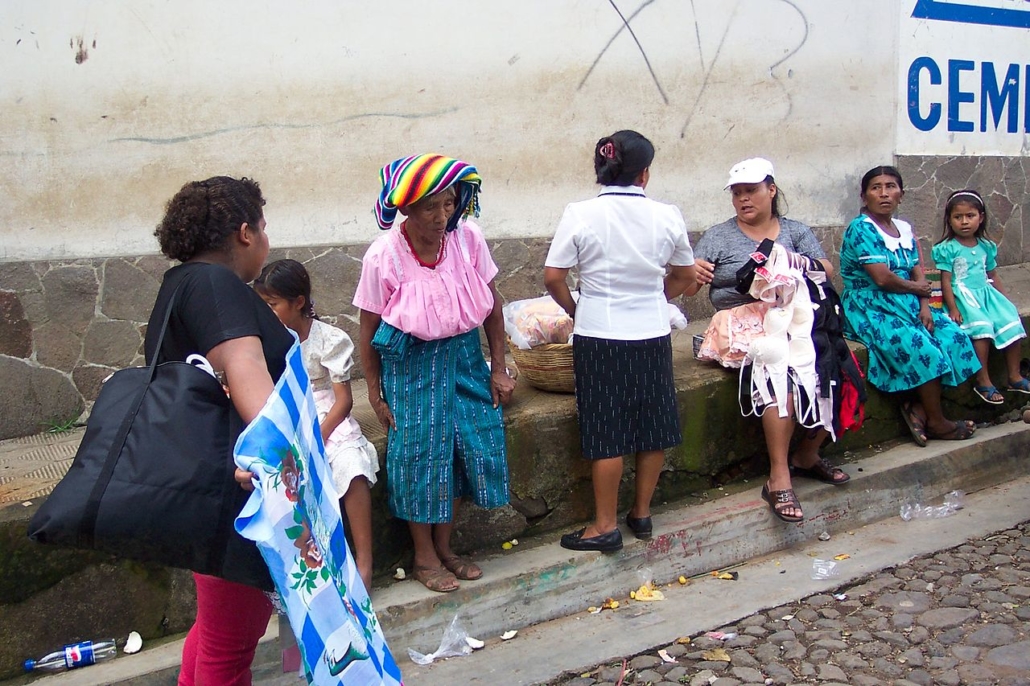 El Salvador is the smallest country in Central America with an estimated population of 6.2 million. However, this number is often fluctuating due to massive violence in the country. El Salvador has the world’s highest homicide rates and pervasive criminal gangs. One murder happens every two hours on average. In 2018, there were 3,340 documented murders and the country has an estimated murder rate of 51 per 100,000 inhabitants.
Women’s rights in the Central Americas and the Carribean have been slowly improving over the years. However, in El Salvador, women still lack basic rights and suffer from many violent crimes. With so many deaths, it comes as no surprise that El Salvador has the highest femicide rate in Latin America and the third highest in the world.
Femicide in El Salvador: The Facts
Femicide is the gender-based killing of women because of their gender. It is the leading cause of premature death for women globally. Femicide in El Salvador is a serious issue as one woman is murdered every 19 hours. In 2019, 76 femicides already occurred in El Salvador. The country has the third-highest rate in the world for the violent deaths of women. In 2016, 524 women were killed, a majority of them under 30 years of age. Within the first two months of 2018, 72 women were murdered.
High Femicide Rates But Low Convictions
Violent death isn’t the only threat to these women. Over a time span of ten months in 2017, there were nearly 2,000 reported sexual assaults in El Salvador. Around 80 percent of these victims were 17-years-old or younger. Femicide in El Salvador is not only overlooked by the world but by the Salvadoran government as well. Between 2013 and 2016, the Salvadoran government opened 662 femicide cases. Only 5 percent reached a conviction. Only one in ten of the murder cases where a woman is a victim of femicide results in a conviction.
Gangs Present Another Threat
Most of the violence against women in El Salvador is committed by various gangs residing in the country. According to the Salvadoran government, around 10 percent of people are in gangs and these gangs often see women as easy targets.
Agnes Callamard, the United Nations’ special rapporteur on extrajudicial killings, said in a CNN interview that women’s bodies are treated as “a territory for revenge and control.” Callamard explained that the gangs are male-dominated and girls and women are merely part of the territories they control.
Women’s trauma
Women in El Salvador who survive these brutal acts of physical and sexual abuse suffer from trauma and often have nowhere to turn for help. Many women even try to flee the country in an attempt to escape. However, those who are unsuccessful in their attempts risk being killed or tortured by their abusers back home for merely trying.
Thankfully, groups like the Organización De Mujeres Salvadoreñas Por La Paz (ORMUSA) work to end gender violence and femicide in El Salvador. ORMUSA believes that promoting equality by supporting the economic empowerment of women is the key to changing attitudes. ORMUSA even helped draft a law that came into effect in 2012 which puts femicide in the criminal category in El Salvador and establishing special provisions to protect women from gender-based violence.
With such high femicide rates, El Salvador remains the most dangerous country for women. Though groups and activists are trying to stop these violent acts, El Salvador still has a long way to go.
– Madeline Oden
Photo: Wikimedia Commons
