Seven Important Facts About Migrant Children in China
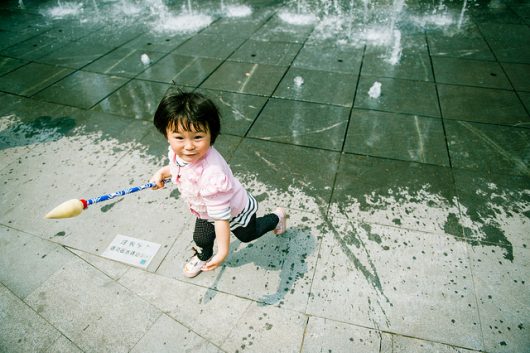
The world’s largest migration, known as the ‘floating population,’ has not only affected China’s economic reform, but has shaped millions of children. In 2017, a report stated that China has an “estimated 287 million rural migrant workers” to look for greater job opportunities. UNICEF has approximated that nearly 100 million children have been affected by this change, and many put in harm. Here are seven facts about migrant children in China.
7 Facts About Migrant Children in China
- According to the journal, “Chinese Education and Society,” 35.81 million children of those affected by the migration migrate to the city with their parents, while around 70 million were left behind in their rural hometowns.
- Migrant children who move to the cities often lack the same access to social services as other children such as: education, healthcare and support. This lack occurs due to the Hukou system, a system that registers one in the hometown that he or she was born, and prohibits those outside of the city to receive the same benefits as their urban-hukou-holding counterparts.
- Many children are left behind in the countryside and often have little to no family support; in fact, most are raised by their grandparents and have little contact with their parents. According to a 2013 survey in Shandong, “75 percent of [left-behind children’s] parents visited home just once a year during the Spring Festival.”
- There are around 36 million minors who will join the next generation of migrant workers. Many included in the new generation of migrant laborers — the children of current migrant workers — have a strong desire to assimilate to the city. However, many of their urban-hukou-holding counterparts do not view these populations as “one of them.”
- A study conducted in 2013 showed that of 300 Beijing public and migrant schools compared to that of rural schools in Shaanxi, rural schools had twice the amount of qualified teachers than migrant schools in Beijing.
- The Chinese government recognized that migration brought numerous negative consequences to many migrant children. Although the State Council passed the State Council’s Decision on Reforming and Developing Elementary Education, the State Council stated, “We should pay more attention to resolve the problems of migrant children to have compulsory education…We should adopt various ways to resolve the problems and protect migrant children’s right to have compulsory education in laws.”
- Numerous NGOs have worked with the government to improve conditions for migrant children. For example, UNICEF has began working on a pilot project targeted at improving migrant children’s access to education and healthcare in the city.
Room to Grow
These facts about migrant children in China represent migration’s profound impact on a country and its people. Although China has made leaps and strides to recognize the issue, there is still work to be done to ensure that the next generation receive the same benefits and opportunities as any other child.
– Emma Martin
Photo: Flickr
