How the Media Misrepresents the Refugee Crisis and Its Impacts
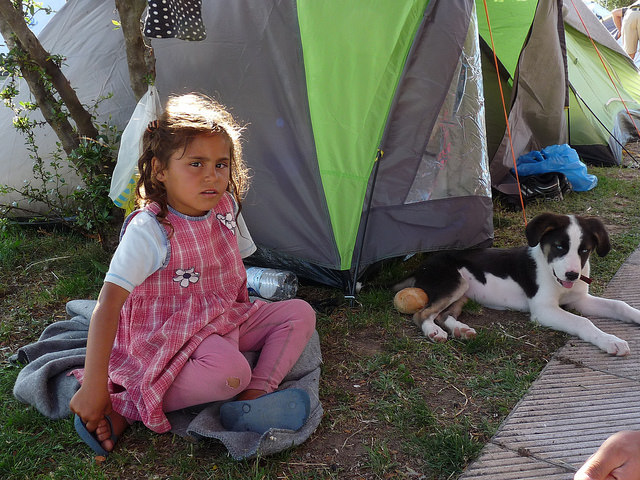
The European Refugee Crisis has become one of the most discussed and debated conflicts in international discourse and current affairs in the world today. Given its ubiquitous presence, the media also plays a crucial role in transcending awareness to the international community about key underlying global issues.
Power of the Media
However, the media misrepresents the refugee crisis due to (oftentimes) inadequate coverage. There is a strong correlation between media portrayal and the reception that ‘media bias’ can have on various audiences. This occurrence, as well as photographic evidence, can give rise to negative perceptions of the situations and news stories at hand.
A majority of the time, even the visual imagery of photography in the media can contribute to a warped, and sometimes over-exaggerated, view of the situation. On the other hand, some cases — such as the Mediterranean crisis in 2016 — a shocking image can become a very powerful and lasting symbol for the refugee crisis. In 2016, the limp body of Alan Kurdi, a 3 year-old Syrian, washed up onshore and became just that; his dead body caused a huge outcry and a great deal of global outrage.
The reaction to Kurdi is a direct example of the media’s scope, power and influence in global information. Moreover, the rather high incidence of “fake news” stories is also changing the tide of mainstream media coverage and giving rise to more inflammatory rhetoric, racism, controversy and division.
The Misrepresentation of the Refugee Crisis
The media misrepresents the refugee crisis also largely in reference to the growing skepticism associated with new immigrants crossing international borders. A number of media forums are often pervaded by hate speech and campaigns against refugees; such portrayals can give rise to increased hysteria and the spreading of misinformation.
The deficiencies in media coverage of the refugee crisis can often cause overly biased narratives that hinder efforts at raising awareness about key issues and shedding light on the unbiased truth. Given the often divisive nature of geopolitics, news stories are often written with the intention of covering international affairs. As a result, humanitarian concerns and concerns about human rights for refugees can also be quite politicized in nature and impact interpretations.
With the prominence and importance of these topics, though, media coverage should aim to not only cover these topics, but also shed light on positive stories associated with the refugee crisis. Sustainable news sources — objective and advocacy journalism and community media, for instance — can help counteract associations of overly negative images when the media misrepresents the refugee crisis.
Quest to Ensure Journalistic Integrity
Moreover, journalistic integrity must be maintained through free press. With more accurate representation in the media, immigrants and refugees can become more humanized and realistic in media coverage, and thereby demonstrate the more optimistic and “good news” side of reality.
Such accurate depictions will also benefit various key stakeholder groups involved in the refugee crisis — such as governments and international organizations. Positivity in the media could ensure greater ease in the provision of humanitarian and development aid and packages.
So there must be increased levels of inclusion and greater coverage of important stories to counter the media misrepresenting the refugee crisis. This change can help the international community take up a larger role in addressing large and pertinent issues, such as human rights.
– Shivani Ekkanath
Photo: Flickr
