10 Facts About Refugees in Latvia
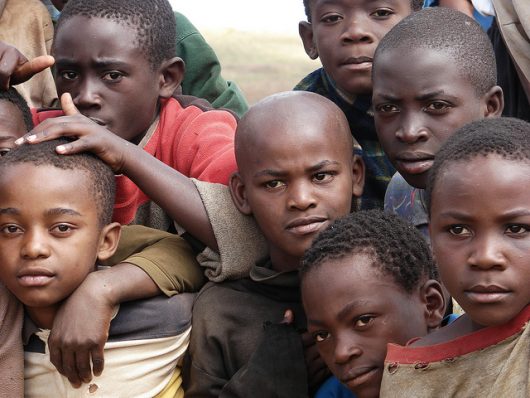
As of right now, there are more than 65 million people in the world who have been forced to leave their homes. Humanity is facing its largest refugee crisis yet. There are many countries that are involved with this critical situation, and each responds to it in different ways. Some provide assistance to refugees and some neglect them. Here are 10 facts about refugees in Latvia to further one’s comprehension on this matter and how Latvia handles it.
10 Facts About Refugees in Latvia
- Latvia is currently building a fence along the Russian border to prevent people from entering the country illegally, ensuring that refugees only come in accordance with the law. The fence’s purpose is to protect the European Union borders. It should be complete by 2019.
- As a part of the European Commission’s refugee relocation plan, Latvia agreed to accept 531 refugees within two years. This plan is supposed to focus on accepting refugees who are mostly from Italy and Greece. However, 50 accepted refugees must be from third world countries. Thus far, Latvia has accepted 318 people.
- There have been multiple cases where refugees who arrive in Latvia tend to leave shortly after. According to the Red Cross, refugees leave due to the difficulty of finding a job there. Although there are supposedly many job offerings, refugees might have a hard time because of a language barrier and the challenge of becoming accustomed to a new culture. In September 2016, 21 out of 23 refugees that came to Latvia ended up leaving for Germany. A month later, it was confirmed that none of the 23 refugees remained in Latvia.
- As a result of many people being unhappy with the way Latvia regards its refugees, the “Our people” campaign was created. The purpose of the campaign is to serve as a reminder that, despite cultural differences, people of the world should support one another and come together. The “Our people” campaign promotes the acceptance of refugees who come to live in Latvia.
- There is one asylum-seeker center in Mucenieki. People stay there while waiting to find out if they have received refugee or alternative status. While they live there, they are given the opportunity to receive some education and the chance to learn Latvian.
- Migrants who arrive in Latvia typically wait three months to find out whether they have been given either refugee or alternative status.
- When one is given the status of a refugee, they are provided with a permanent residence permit. When one is given alternative status, they are provided with a residence permit that is valid for a year.
- The main difference between the status of a refugee and an alternative is that asylum seekers are mainly accepted as refugees because they fear persecution for their beliefs and race. Asylum seekers that receive alternative status are accepted because they were threatened with punishment and violence and are thus in dire need of protection.
- In 2016, there was a large controversy over a campaign introduced by the United Nations High Commissioner for Refugees (UNHCR). With the tagline “We would do the same,” the campaign’s purpose was to bring attention to the fact that refugees need help and that in a situation like theirs, many would flee their homes. However, Latvia’s Defense Ministry found it to be offensive to the Latvian National Armed Forces because it suggested that Latvians wouldn’t fight for their country.
- Sixty-nine percent of Latvians stated in a 2015 public opinion survey that they did not like the idea of welcoming refugees from Northern Africa and Middle Eastern countries.
While these 10 facts about refugees in Latvia provide a better understanding of Latvia’s role in the refugee crisis, they do not represent the different roles that different countries are taking in this situation. The way Latvia treats its refugees does not depict the treatment of refugees throughout the entire world. With a multitude of organizations and people that want to help, refugees do have a global support system.
– Raven Rentas
Photo: Flickr
