Top Diseases in Libya
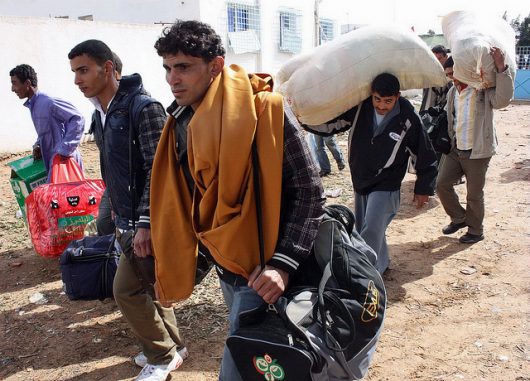
Libya, a country in North Africa, is home to more than six million people. The population employs a variety of careers and activities, such as farming and exporting petroleum. Though the country enjoys a relatively healthy lifestyle, the top diseases in Libya bring much strife to the population.
Communicable Diseases
Communicable diseases like influenza, hepatitis and dysentery contribute to a large portion of the mortality rates in Libya, especially in the rural areas where people do not have access to clean water and sanitation. Also, the closure of primary healthcare centers has only furthered the effect of these diseases on the population.
Another one of the top diseases in Libya is malaria. According to the World Health Organization (WHO), malaria is transmitted to humans when they are bitten by female mosquitoes. Parasites then multiply in the liver and attack red blood cells, causing damage to vital organs.
Non-Communicable Diseases
Non-communicable diseases also play a big part when it comes to the top diseases in Libya, and the closure of health centers has not helped slow the effect of cancer, cardiovascular disease and diabetes in the country.
According to the WHO, the closure of these health centers is mainly war-related, caused by the shortage of funds and damage done by fighting. Those who try to treat their ailments often turn to “overburdened hospitals,” and the treatments can be ineffective.
Interestingly, communicable diseases were not on the list of top diseases in Libya until conflict began in the country. This was because most of the country had good water and sanitation systems. Furthermore, nonprofit organizations and health centers had a large percentage of the population covered in terms of vaccination.
The Libyan civil war began in 2014, and the lack of a control system caused the downfall of the country’s health system. For the most part, Libya had many of its biggest diseases under control with the help of vaccinations, health programs and volunteers from a nonprofit organization providing information on proper sanitary methods. Since the Libyan Civil War, however, many of these supporters have lost their hold in the region, and the population has paid the price.
In order to decrease the prevalence of the top diseases in Libya, the country has to pay more attention to programs that can benefit its citizens. The shortage of staff and supplies may put the health system in the country at further risk if nothing is done.
Informational programs about vaccination, proper sanitary methods and staying safe during the conflict is necessary for those who are currently suffering. Also, refilling the stocks of essential medical supplies will prove to be a big help to the country. Once the above goals are met, the country will be better situated to get back on track in terms of health.
– Jacqueline Artz
Photo: Flickr
