• Link to X
  • Link to Facebook
  • Link to Instagram
  • Link to TikTok
  • Link to Youtube
  • About
    • About Us
      • President
      • Board of Directors
      • Board of Advisors
      • Financials
      • Our Methodology
      • Success Tracker
      • Contact
  • Act Now
    • 30 Ways to Help
      • Email Congress
      • Call Congress
      • Volunteer
      • Courses & Certificates
      • Be a Donor
    • Internships
      • In-Office Internships
      • Remote Internships
    • Legislation
      • Politics 101
  • The Blog
  • The Podcast
  • Magazine
  • Donate
  • Click to open the search input field Click to open the search input field Search
  • Menu Menu
Blog - Latest News
Global Poverty, Women

Biodegradable Sanitary Pads Elevate Feminine Hygiene
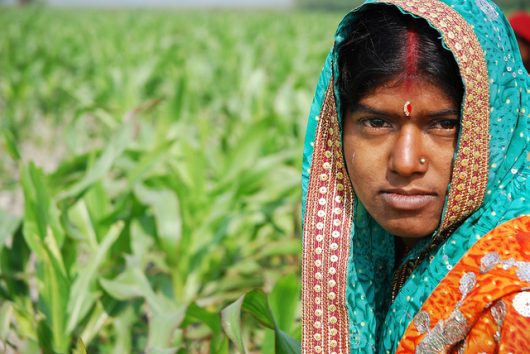

Healthcare startup Saathi is on a mission — to empower Indian women through increased access to sanitary pads. Saathi’s unique approach involves recycling discarded banana fibers into a biodegradable and compostable form of feminine hygiene.

Founded in 2015 by MIT graduate Kristin Kagetsu, Saathi addresses the unfortunate reality that only 16 percent of Indian women use sanitary pads during menstruation. Sanitary pads and other feminine hygiene products like tampons and menstrual cups are out of reach for most Indian women because of the cost.

As an alternative, Indian women will either use rags, sawdust, leaves or ashes for feminine hygiene. Unfortunately, these practices can negatively impact cleanliness and, in turn, adversely affect productivity. A 2011 Nielsen study discovered that an alarming 30 percent of girls in northern India dropped out of school once they started menstruating.

Saathi plans to address the cost issue by partnering with NGOs to sell the pads at discounted rates in rural areas and urban slums.

Sustainable Supply Chain

Saathi’s unique approach doesn’t just benefit women, though. The company supports sustainability and local agriculture by purchasing its banana fibers from local farmers. Thrown away before Saathi stepped in, the banana fibers now have a second life after the fruit is harvested. “We realized our strength and uniqueness was in the banana fiber itself. In Gujarat, the plant ends up getting tossed aside on the road,” Kagetsu said.

Kagetsu also acknowledged the importance of their supply chain approach: “Most other pad companies like to think about women as the beneficiaries. That is there, but the greater impact we have is on our supply chain. You can think of it as fair trade and ethical sourcing.”

Sustainability continues on the production floor. Saathi uses a chemical and plastic-free process, and all manufacturing waste is either sold or recycled. Even after the pads are used, the waste products can be recycled as compost feed or used to power biogas systems.

Women Helping Women

Saathi employs nine local women in its Ahmedabad factory. Once considered low-income, these women now enjoy empowerment. The female-led factory produces approximately 1,300 all-natural pads a day.

According to Saathi’s website, it is steadily growing. In Dec. 2016, they announced plans to hire a design engineer, supply chain engineer, an administrative assistant and a sales and distribution lead.

– Gisele Dunn

Photo: Flickr

April 1, 2017
Share this entry
  • Share on Facebook
  • Share on X
  • Share on WhatsApp
  • Share on Pinterest
  • Share on LinkedIn
  • Share on Tumblr
  • Share on Vk
  • Share on Reddit
  • Share by Mail
https://borgenproject.org/wp-content/uploads/borgen-project-logo.svg 0 0 Borgen Project https://borgenproject.org/wp-content/uploads/borgen-project-logo.svg Borgen Project2017-04-01 01:30:352020-04-28 14:02:13Biodegradable Sanitary Pads Elevate Feminine Hygiene

Get Smarter

  • Global Poverty 101
  • Global Poverty… The Good News
  • Global Poverty & U.S. Jobs
  • Global Poverty and National Security
  • Innovative Solutions to Poverty
  • Global Poverty & Aid FAQ’s
Search Search

Take Action

  • Call Congress
  • Email Congress
  • Donate
  • 30 Ways to Help
  • Volunteer Ops
  • Internships
  • Courses & Certificates
  • The Podcast
Borgen Project

“The Borgen Project is an incredible nonprofit organization that is addressing poverty and hunger and working towards ending them.”

-The Huffington Post

Inside The Borgen Project

  • Contact
  • About
  • Financials
  • President
  • Board of Directors
  • Board of Advisors

International Links

  • UK Email Parliament
  • UK Donate
  • Canada Email Parliament

Get Smarter

  • Global Poverty 101
  • Global Poverty… The Good News
  • Global Poverty & U.S. Jobs
  • Global Poverty and National Security
  • Innovative Solutions to Poverty
  • Global Poverty & Aid FAQ’s

Ways to Help

  • Call Congress
  • Email Congress
  • Donate
  • 30 Ways to Help
  • Volunteer Ops
  • Internships
  • Courses & Certificates
  • The Podcast
Link to: Education in Georgia: Strategy and Action Link to: Education in Georgia: Strategy and Action Education in Georgia: Strategy and Action Link to: Lack of Infrastructure Compounds Hunger in Djibouti Link to: Lack of Infrastructure Compounds Hunger in Djibouti Lack of Infrastructure Compounds Hunger in Djibouti
Scroll to top Scroll to top Scroll to top