Environmental Conservation in Kenya Benefits Development
Since Kenya gained independence in 1963, the country has prioritized the protection of its land alongside the development of its people. The focus on environmental conservation in Kenya benefits agriculture, alleviates poverty and promotes sustainable development.
Kenya is rich in biodiversity, containing deserts, savannas, wetlands, coral reefs and over 1 million hectares of closed-canopy indigenous forests. The country has nearly 35,000 known species of plants, animals and microorganisms.
Historically, Kenya has been active in international climate conventions. In 2010, with the adoption of a new constitution, the Kenyan government made environmental conservation a civil obligation. The 2010 constitution takes an ecological perspective to sustainable development, advocating for conservation in the interest of both the earth and humanity.
The Need for Environmental Conservation in Kenya
Environmental management and rehabilitation strategies are essential in Kenya, as 70% of the country’s workers are employed in agriculture. In addition to this, ecotourism makes up nearly 20% of the country’s GDP.
Despite Kenya’s economic reliance on environmental health, 80% of the country’s land is arid or semi-arid. Only a small percentage of land is suitable for growing crops, and even these fertile areas are fragile. With poor agricultural management, the topsoil is easily washed away.
Kenya’s poorest are the most likely to live in arid regions. Poverty cyclically increases with the scarcity of productive soil, clean water, effective sanitation and market opportunities. Without these critical resources, the poor are unable to improve their livelihoods.
Environmental conservation in Kenya is key to its development. While enforcing conservation is challenging due to population pressures, raising public awareness of environmental issues could also raise support for such measures.
As smallholder farmers seek arable land, they encroach on Kenya’s indigenous forests. Because of Kenya’s richness in non-timber forest products such as medicinal plants, essential oils and beeswax, the destruction of its forests harms both its wildlife and its economy. Conserving the forests is pivotal to protecting both Kenya’s resources and its 50 endangered species.
The beautiful mangrove forests and coral reefs that line Kenya’s Indian Ocean border are also a substantial form of revenue for the country, providing both ecotourism destinations and ecosystem services.
Communities Work Together for Sustainable Conservation
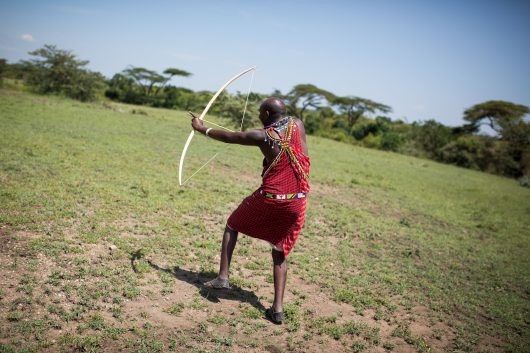
To further promote the ecological perspective of Kenya’s government, the Nature Conservancy and the Northern Rangelands Trust have collaborated to develop community conservancies in the northern semi-arid grasslands. These conservancies cover three million hectares, within which over 200,000 people from 17 different ethnic tribes reside. They strive to help Kenyan communities engage in environmental conservation.
The conservancies protect communal land for livestock and wildlife, teach grazing management techniques and provide opportunities for alternative income sources such as tourist lodges and campsites. The Northern Rangelands Trust also helps connect pastoralists to their markets, helping them access fair prices for their sustainably raised livestock.
Environmental conservation in Kenya greatly benefits its economic and social development. Sustainable development can help Kenya achieve the Kenya Vision for 2030, transforming the country into a clean, secure, middle-income nation.
– Larkin Smith
Photo: Flickr
