Kenya: Model for African Nations in UN’s Blue Economy
 “The New Frontier of African Renaissance” is the “blue economy,” according to the African Union. The United Nation’s Economic Commission for Africa (ECA) recently released a handbook on how Africa can make the most of its vast coastal and freshwater resources.
Out of 54 total countries in Africa, 38 are coastal, including the fastest growing economy on the continent, Kenya. Last year, Bloomberg ranked Kenya the third fastest growing economy in the world. The key to its success has been a strong blue exporting economy.
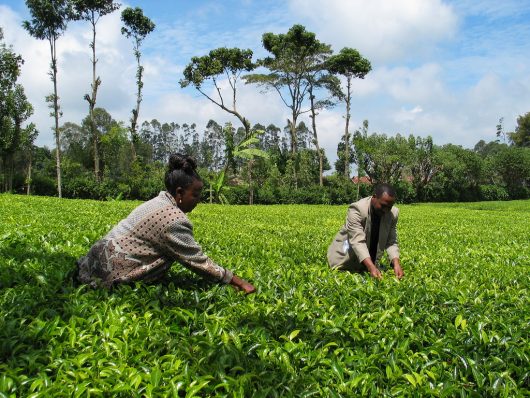
The backbone of Kenya’s private sector is its horticulture and tea industries, which are both export markets. Kenya not only produces the most black tea in the world, but it also exports the most. However, while neighboring nations like Tanzania produce more horticulture than Kenya, Kenya’s well-designed shipping infrastructure makes it a vastly superior exporter.
The economic trend visible in Kenya is that even when production is comparatively low, a streamlined exportation system can cause a big economic boom. The new handbook by the ECA explains how African nations can use their coastal status to promote long-term growth.
As in Kenya, the handbook emphasizes the blue economy involving shipping and other markets. The ECA calls for an update of maritime transportation to make Africa a center for global trade.
An overarching theme of the handbook is sustainability, particularly the use of hydroelectric power over petroleum or coal. As expected, Kenya mirrors the ECA’s suggestion, with 71 percent of national electricity coming from hydroelectric sources.
It will take a lot of work to make the handbook’s blue economy a reality. Countries with big shares of coastline like Eritrea and Somalia nonetheless trail far behind economically due to political instabilities in its region. Furthermore, the other African nation seeing major GDP growth, Nigeria, is heavily reliant on oil exports–the opposite of what the ECA suggests.
While the ECA cannot expect changes overnight, Executive Secretary Carlos Lopes is hopeful that Africa will benefit massively from a well run blue economy. According to Lopes, “If fully exploited and well managed, Africa’s Blue Economy can constitute a major source of wealth and catapult the continent’s fortunes.”
– John English
Photo: Flickr
