Top Five Facts You Should Know about Haitian Refugees
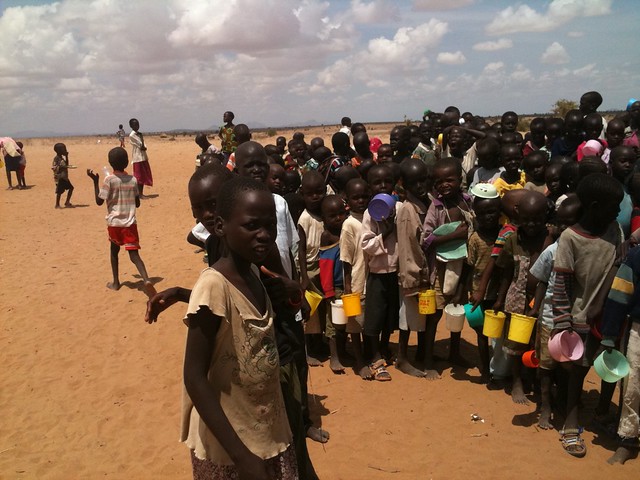 After six years of recovering from the 7.0 magnitude earthquake that claimed the lives of more than 200,000 people and left 1.5 million Haitians homeless in 2010, Haitian refugees continue to face marginalization and poor living conditions. As a growing number of refugees from Haiti flock to the U.S. border seeking asylum, here are the top five current facts you should know about the Haitian refugee crisis and what is being done to alleviate it:
-
- An estimated 60,000 people live in Haitian refugee camps, according to Public Finance International (PFI). This is a 96% reduction from the initial number of refugees that moved to makeshift encampments after the earthquake that rocked Haiti’s foundation. The improvement can be largely attributed to the effectiveness of Haiti’s relocation programs.
- Food insecurity and cholera are on the rise in Haiti’s refugee camps after El Niño and three years of drought. The effects of the tropical storm and years of drought have left 3.6 million people in Haiti food insecure, according to the World Food Programme (WFP). To deal with the crisis, the UN Office for the Coordination of Humanitarian Affairs calls for increased medical treatment, access to clean water, and nutrition interventions in Haiti according to PFI.
- Tense ties with the neighboring Dominican Republic, threaten mass deportations of Haitians and Dominicans of Haitian descent. With the possible expulsion of nearly 200,000 stateless people, a new refugee crisis with devastating consequences looms in the distance, according to UN News. Last spring, the New York Times reported that an estimated 3,000 people had arrived in Haiti’s makeshift encampments after fleeing or being forced out of the Dominican Republic.
- Brazil is striving to improve immigration services on a community-level in order to decrease xenophobia and improve the living conditions of Haitian refugees. Brazilian organizations, such as the Association of Haitians in Balneário Camboriú, is filling in the gaps left by the government by managing work opportunities and improving integration services for refugees from Haiti, according to the Huffington Post.
- There has been a recent surge of Haitian refugees camping near the San Diego-Tijuana border as they await processing for asylum in the United States. Most of the refugees originally sought asylum in Brazil, but a worsening recession and lack of immigration support services drove refugees from Haiti to seek better living conditions elsewhere, according to the San Diego Union-Tribune.
As the poorest country in the northern hemisphere, Haiti continues to strive for economic and political stability years after the quake. While the Haitian government rebuilds Haiti’s economic and social infrastructure, the U.S. and other countries play a major role in supporting the integration and well-being of Haitian refugees abroad.
One way to ensure that the U.S. provides vital humanitarian support to refugees is by expanding the International Affairs Budget. The funds of the International Affairs Budget are imperative to helping refugees and the world’s poor but unfortunately, this resource is grossly underfunded.
To help alleviate the Haitian refugee crisis, call or email your congressional leaders in support of increased funding for the International Affairs Budget.
– Daniela Sarabia
Photo: Flickr
