7 Facts About Poverty in Gaza
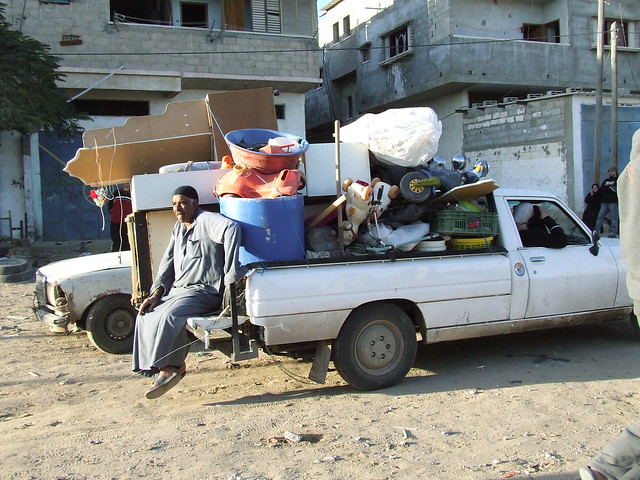 The Gaza Strip, a highly controversial tract of land, borders both Israel and Egypt. Gaza Strip’s population of 1.8 million, living in an area about the size of Detroit, endures severe hardships. Gaza has a poverty rate of 53 percent. An ongoing conflict with Israel and political instability are the chief reasons for Gaza’s extreme poverty rate. Below are seven facts about poverty in Gaza.
7 Facts about Poverty in Gaza
- The Gaza Strip is governed by Hamas, a militant fundamentalist organization.
Hamas has governed the Gaza Strip since it orchestrated a coup d’état in 2007 Both the United States and the European Union label Hamas as a terrorist organization, This is due to its explicit acts of violence against Israel and its citizens. Meanwhile, the Hamas government has developed robust social and welfare programs in the Gaza Strip. Spending is between $50-70 million annually. - Hamas instituted a blockade of Gaza, resulting in poverty complications.
The next among these facts about poverty in Gaza is about its blockade. Since Hamas came to power, Israel and Egypt have enforced a land, air and sea blockade of Gaza, citing security concerns. The blockade has contributed to a struggling economy, a lack of clean drinking water, inadequate housing and severe food insecurity. According to the United Nations, “the blockade has undermined the living conditions in the coastal enclave and fragmented… its economic and social fabric.” - Gaza’s GDP is declining.
In a 2018 report, the World Bank said Gaza’s economy is in “free-fall.” The World Bank cites a combination of factors as the reason for a six percent decline in the territory’s GDP. While the decade-long blockade has done significant damage to the economy, recent cuts to international aid are placing additional strains on Gaza. Another contributing factor is that 52 percent of Gaza’s inhabitants are unemployed. Gaza has a youth unemployment rate of 66 percent. - As many as 90 percent of those living in Gaza have little access to safe drinking water.
In fact, 97 percent of Gaza’s freshwater is unsuitable for human consumption. Diarrhea, kidney disease, stunted growth and impaired IQ result from Gaza’s water crisis. Additionally, humanitarian groups warn that Gaza could become uninhabitable by 2020 due to shortages. - Poverty in Gaza is exacerbated by precarious access to food and other basic goods.
In 2018, the U.N. characterized 1.3 million people in the Gaza Strip as food insecure. This constitutes a 9 percent increase from 2014. The blockade prevents many goods from entering the territory. Further, it places strict limits on fishing activity, a major source of economic revenue. It also limits the availability to the equipment needed for construction, as Israel worries the equipment could be used for violence. - Gaza currently has access to electricity for only eight hours each day.
Demand for electricity far exceeds the supply. Likewise, the U.N. describes it as a chronic electricity deficit. From providing healthcare to desalinating water, poor access to electricity makes life more difficult in the Gaza Strip. - Many organizations and movements are working to alleviate poverty in Gaza.
The United Nations has several arms at work, including the United Nations Relief and Works Agency (UNRWA) and the United Nations Development Programme (UNDP). The UNRWA provides education, health services and financial loans to refugees in the territory. The UNDP targets its assistance to decrease Gaza’s reliance on foreign aid.
Importance of Addressing Poverty in Gaza
These seven facts about poverty in Gaza provide some insight into the situation. However, addressing the region’s poverty proves to be a worthwhile pursuit. Poverty reduction can lead to greater stability. Furthermore, it can increase the chances for dialogue between Israel and Palestine. Overall, international cooperation and foreign aid have the potential to vastly improve the lives of the 1.8 million individuals in Gaza.
– Kyle Linder
Photo: Flickr
