6 Facts About Women’s Health in Madagascar
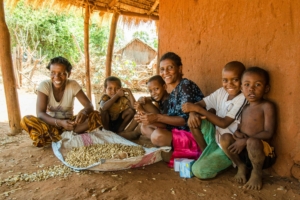
Madagascar is the world’s second-largest island country off the coast of East Africa. It is also among the poorest countries in the world with a poverty rate of over 75 percent. This poverty rate has inevitably affected the accessibility and quality of health care and the consequent overall health of Malagasy women. These are six facts about women’s health in Madagascar.
6 Facts About Women’s Health in Madagascar
- Maternal mortality rates are high. With 335 deaths per 100,000 live births, Madagascar falls well below the average among Sub-Saharan Africa, which stands at 534 deaths per 100,000 live births. On the other hand, it is well above the worldwide average of 211 deaths per 100,000 live births.
- Maternal health clinics often do not have adequate access to necessities or properly trained health professionals. Only 19 percent of health care providers in Madagascar have an education in the basics of emergency obstetric and neonatal care. Only 56 percent of primary health centers have electricity and only 53 percent have access to clean drinking water.
- Malnutrition is a problem among mothers in Madagascar. According to a study in 2018 by BMC Nutrition, 17 percent of Malagasy mothers between the ages of 18 and 45 suffered from maternal malnutrition and 38.3 percent of pregnant women suffered from anemia. More than 76 percent of Malagasy women have abnormally little weight gain during pregnancy.
- USAID is working to help. With its 12,000 volunteers armed with training and medical supplies, it works to provide for maternal health clinics in rural areas of Madagascar. It has even invested in mobile clinics or groups that travel to areas that have no easy access to health care to reach women and mothers with no other options.
- Another organization reaching out to women in Madagascar is Jhpiego, formerly the Johns Hopkins Program for International Education in Gynecology and Obstetrics. Across the 815 health clinics it supports, it has aided in more than 130,000 births and provided care to 679,000 new mothers.
- Female life expectancy in Madagascar is increasing. In 2019, the female life expectancy among Malagasy women was 68.68 years. While they still rank low in comparison to the 2019 worldwide average of 72.6 years, they have come a long way in the past few decades. With an average rate of increase of 0.83 percent each year, they have greatly improved their life expectancy which stood at 45.73 years in 1970.
These six facts about women’s health in Madagascar show that with one of the world’s worst poverty rates, women in Madagascar are struggling to maintain their health and find safe places to deliver their children. However, groups like the Jhpiego are working to reach out to the women who need help the most in Madagascar. As a result, many women are receiving prenatal and antenatal care for the first time as well as access to health clinics with experienced health care workers. Overall female health in Madagascar is improving and USAID and Jhpiego show no signs of stopping their aid to women’s health in Madagascar.
– Amanda Gibson
Photo: Flickr
