3 Strategies for Reducing Corruption in Developing Countries
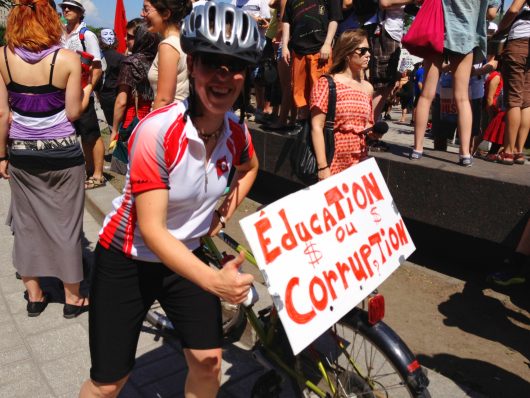 In 2013, World Bank President Jim Yong Kim declared corruption as “public enemy number one” in developing countries. And this isn’t hyperbole, as corruption slows or stalls development. Public money allocated for healthcare or education ends up in the pockets of already wealthy officials. Corruption is also an excuse to justify not spending more on international aid. Here are three strategies for reducing corruption developing countries can employ:
- Make Bureaucracies More Efficient
Corruption thrives when government officials can take advantage of inefficient bureaucracies. Poorly managed public sectors with complex regulations make sidestepping rules easy for these officials. Reducing corruption means, above all, streamlining bureaucracy. This can be done in multiple ways.Some studies suggest that simply condensing agencies reduces corruption. Smaller agencies with smaller amounts of personnel reduces the opportunity for them to collect bribes. Another strategy is to make tax codes easy to understand and computerize simple procedures. In Senegal, these two measures alone reduced fraud within the public sector by 85 percent. - Make Elections More Transparent
Corrupt government officials can usually find ways to stay in office. And citizens can vote for re-election without realizing how corrupt their representatives are. Making elections more transparent can have an impact on this trend.In Delhi, India, a randomly selected pool of citizens was given ‘report cards’ of officials running for office. These ‘report cards’ had information on the qualifications and past performance of candidates. In the areas where citizens had the report cards, the quality of governance increased. Delhi is a perfect case study in the power of transparent elections. When citizens understand who they’re voting for, they can make better decisions. That leads to better government, with less corruption. - Increase Civic Education
Voters don’t just need to understand who people they’re electing to office. They also need to have a broad understanding of what that official is doing while in office. Civic education is vital to this goal. Giving citizens of developing countries the tools to understand their political rights is key to reducing corruption.Researchers confirmed this in Uganda. In their study, citizens were provided with information about the hijacking of public funds by local officials. Due to this information campaign, public officials stopped redirecting public funds to their private bank accounts. Consequently, there was an increase in money that reached schools. This led to more children attending school. Giving citizens access to information they deserve gives them a voice. And when it comes to reducing corruption, their voices are the most important.
Corruption is prevalent in a majority of developing countries, but it doesn’t have to stay that way. Reducing corruption is an achievable goal. To jumpstart the process, developing countries must examine and streamline their government agencies. Citizens in these countries must have the information they need to make informed decisions. And after they make the decision, they must hold their elected officials accountable.
This is work that’s easier said than done. But organizations like the World Bank have already begun work on these problems, and U.S. citizens can call their representatives and ask for the U.S. to take a bigger role in tackling these issues. Corruption is one of the last barriers preventing developing countries to become developed. But with these strategies, soon it could be a thing of the past.
– Adesuwa Agbonile
Photo: Flickr
