10 Facts About Refugees in Sweden
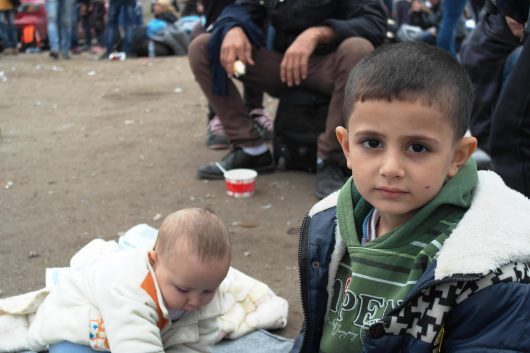
The number of refugees seeking shelter in Sweden increases with the passing of time. Below are 10 facts about refugees in Sweden and the Swedish refugee system as it stands today.
- In 2015, approximately 163,000 people applied for asylum in Sweden, a country with a population of 9.8 million.
- Of those who applied for refugee status in Sweden, 31 percent were of Syrian descent, 25 percent were of Afghani descent, 12 percent were of Iraqi descent and the remaining 32 percent of refugees came from other Middle Eastern countries, including Iran, Eritrea, Somalia and Albania.
- As of 2015, Sweden’s population of 9.8 million included around 16 percent of people who were not born in Sweden; therefore, they either immigrated or are refugees in Sweden from other countries. By comparison, 13.3 percent of the United States’ population in 2015 were immigrants not born in the country.
- Sweden, approximately the size of California, is made up of immigrants by 16 percent, resulting in a significantly higher concentration in comparison to the U.S.
- A popular destination for refugees in Sweden is Malmö, the country’s third-largest city. Forty-three percent of Malmö’s residents are of foreign background. At 40,000 strong, Iraqis constitute the largest racial group.
- Many refugees in Sweden establish businesses as soon as they are accepted into the country, building falafel houses; bakeries selling traditional Syrian, Iranian or another nationality’s pastries; dentistry; and other businesses that help to diversify the Swedish economic market.
- However, the Swedish government imposed new regulations on refugees recently. If a documented refugee wants to also have their family members come live in Sweden, they must apply for their family’s refugee status within three months of arriving in Sweden.
- If a refugee does not apply for their family’s relocation within three months of arrival, the refugee living in Sweden must show they have the means to financially support their entire family. Under previous legislation, refugees only had to prove they could financially support themselves when applying for their family’s transfer to Sweden.
- Sweden’s refugee policies have also changed for children and young adults seeking refuge independent of a family unit; any refugee under the age of 25 who applies for permanent residency must have completed high school and prove that they can support themselves financially.
- The precise number of minors crossing oceans and borders without their parents to reach other countries for asylum each year is unknown. Sweden registered 35,000 in 2015 alone. These children are assigned legal guardians who help nurture and prepare refugees for life in Sweden, including special language courses so they can attend Swedish public schools.
The recent influx of refugees in Sweden has made it a more diverse country teeming with potential. Refugees in Sweden have helped add to the economy of the country, and that help should not be trivialized. Sweden’s growth as a country on the global stage is something to look forward to, and their refugee population will surely lend a hand, if asked.
– Bayley McComb
Photo: Flickr
