• Link to X
  • Link to Facebook
  • Link to Instagram
  • Link to TikTok
  • Link to Youtube
  • About
    • About Us
      • President
      • Board of Directors
      • Board of Advisors
      • Financials
      • Our Methodology
      • Success Tracker
      • Contact
  • Act Now
    • 30 Ways to Help
      • Email Congress
      • Call Congress
      • Volunteer
      • Courses & Certificates
      • Be a Donor
    • Internships
      • In-Office Internships
      • Remote Internships
    • Legislation
      • Politics 101
  • The Blog
  • The Podcast
  • Magazine
  • Donate
  • Click to open the search input field Click to open the search input field Search
  • Menu Menu
Blog - Latest News
Development, Global Poverty

Combating Poverty in Lebanon
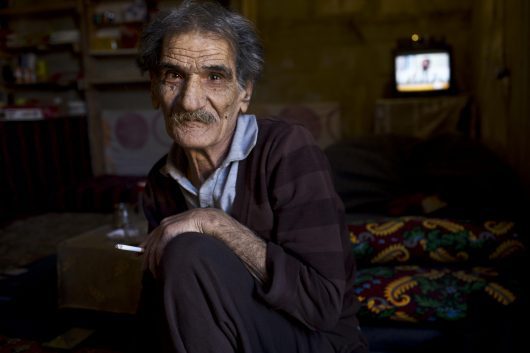
Poverty in Lebanon
Poverty in Lebanon is caused by various factors. Since the start of the Syrian crisis in 2011, Lebanon has seen an influx of refugees, resulting in an increase in poverty, something that has been an issue for quite some time. According to the Nations Encyclopedia, the income gap between social classes has increased over the last 10 years. Both the upper and middle class have seen an increase in their income since 1991, but the rest of the country is not earning much money at all as the income of many has dropped below the poverty line.

OXFAM International, a nonprofit that fights poverty, addresses how the issue of poverty is multidimensional. OXFAM International works to address both the cause and impact of poverty in Lebanon, as well as in over 90 other countries. According to its website, the number of people living under the poverty line in Lebanon has increased by 66 percent since 2011. The World Bank discusses goals for economic improvement in Lebanon, including the creation of new jobs and the installment of an improved education system in order to spark an interest in business related jobs in the country’s youth.

Despite Lebanon’s continued economic struggles and the governmental issues behind them, there is still hope for improving poverty in Lebanon. According to data from the World Bank,  between 1992 and 2014 Lebanon’s GDP grew by an average of 4.4 percent, varying from year to year. The data also addressed the creation of new jobs between 2004 and 2009, when varying amounts of growth was seen, particularly in the trade, service and construction industry. According to the World Bank, 15 percent of the population emigrated from Lebanon in 2010, which is a factor in the economic improvement that the country has seen. This emigration increased employment opportunities and therefore sparked economic growth in the country as a whole.

– Helen Barker

Photo: Flickr

May 9, 2017
Share this entry
  • Share on Facebook
  • Share on X
  • Share on WhatsApp
  • Share on Pinterest
  • Share on LinkedIn
  • Share on Tumblr
  • Share on Vk
  • Share on Reddit
  • Share by Mail
https://borgenproject.org/wp-content/uploads/borgen-project-logo.svg 0 0 Borgen Project https://borgenproject.org/wp-content/uploads/borgen-project-logo.svg Borgen Project2017-05-09 01:30:192020-05-03 14:27:59Combating Poverty in Lebanon

Get Smarter

  • Global Poverty 101
  • Global Poverty… The Good News
  • Global Poverty & U.S. Jobs
  • Global Poverty and National Security
  • Innovative Solutions to Poverty
  • Global Poverty & Aid FAQ’s
Search Search

Take Action

  • Call Congress
  • Email Congress
  • Donate
  • 30 Ways to Help
  • Volunteer Ops
  • Internships
  • Courses & Certificates
  • The Podcast
Borgen Project

“The Borgen Project is an incredible nonprofit organization that is addressing poverty and hunger and working towards ending them.”

-The Huffington Post

Inside The Borgen Project

  • Contact
  • About
  • Financials
  • President
  • Board of Directors
  • Board of Advisors

International Links

  • UK Email Parliament
  • UK Donate
  • Canada Email Parliament

Get Smarter

  • Global Poverty 101
  • Global Poverty… The Good News
  • Global Poverty & U.S. Jobs
  • Global Poverty and National Security
  • Innovative Solutions to Poverty
  • Global Poverty & Aid FAQ’s

Ways to Help

  • Call Congress
  • Email Congress
  • Donate
  • 30 Ways to Help
  • Volunteer Ops
  • Internships
  • Courses & Certificates
  • The Podcast
Link to: 10 Facts About Hunger in Guinea Link to: 10 Facts About Hunger in Guinea 10 Facts About Hunger in Guinea Link to: 10 Facts About Poverty in Belgium Link to: 10 Facts About Poverty in Belgium 10 Facts About Poverty in Belgium
Scroll to top Scroll to top Scroll to top