The World Cocoa Foundation: Sustainable Cocoa for a Rich Future
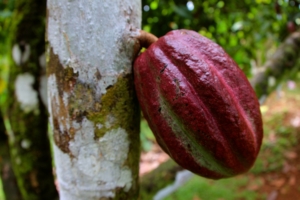 Small plots of land, unsustainable farming practices, forced child labor, a changing climate and chronic farmer poverty are among the many issues that the cocoa industry faces today. “In Côte d’Ivoire – the world’s largest producer of cocoa – a farmer should earn four times his current income in order to reach the global poverty line of $2 a day,” according to Make Chocolate Fair, an international campaign focused on the fair treatment of cocoa farmers. The World Cocoa Foundation is hoping to make the industry sustainable.
Reasons Behind Issues in the Cocoa Industry
Partly to blame is the common practice of sharecropping. In regions where cocoa is most heavily produced, sharecropping restricts farmers’ ability to significantly alter their land for sustainable use. It disincentivizes farmers to make rehabilitation investments. Moreover, monoculture crops – singular crops produced over a large area of land – inhibit crop diversity and make crops more susceptible to pests and diseases.
According to NPR, high rainfall, lower demand for chocolate and price-fixing have also contributed to a decrease in cocoa prices. This has led to an increase in low wages and high debts for cocoa farmers, resulting in chronic poverty. Charlotte Grant, the Communications and Marketing Manager for the World Cocoa Foundation believes that poverty leads to issues such as child labor and deforestation.
“We fear that the well-being of farmers will not improve unless the cocoa supply chain becomes more sustainable,” said Grant. Without any intervention, the global cocoa industry faces an uncertain and unstable future. Fortunately, the World Cocoa Foundation has given cocoa farmers a sense of renewed hope.
A Rich History
The U.S. chocolate industry created the Chocolate Manufacturers Association (CMA) in 1923 to serve cocoa producers by funding research, promoting chocolate consumption and lobbying Congress and government agencies. When the CMA determined a new model for cocoa sustainability was necessary, it formed the International Cocoa Research and Education Foundation in 1995. In 2000, the foundation was renamed the World Cocoa Foundation. Its main focus is on cocoa research and educational programs.
In the late 2000s, with funding from the Bill and Melinda Gates Foundation and the U.S. Agency for International Development, WCF began administering large-scale projects that emphasized productivity, higher-wages for farmers, the reduction of child labor, scientific research and community strength. Today, with more than 100 members, the vision of WCF is clear: “A sustainable and thriving cocoa sector – where farmers prosper, cocoa-growing communities are empowered, human rights are respected, and the environment is conserved.”
The Work of WCF
WCF maintains a diverse range of programs across several regions, including program partnerships with other NGOs. Initiatives like CocoaAction, Cocoa and Forests Initiative, Climate Smart Cocoa, Cocoa Livelihoods Program and African Cocoa Initiative II are addressing the specific needs of cocoa-producing communities.
WCF launched the Cocoa Livelihoods Program in 2009. This program works to increase cocoa farmer productivity. Through training and education, CLP advances four primary objectives. It works to advance industry initiatives, provide a “full-package” of services to farmers, promote food crops and empower women. With more than 15 company partners, CLP serves impacted communities in Cameroon, Ghana, Nigeria and Côte d’Ivoire.
With the goal of increased stakeholder collaboration, WCF established the CocoaAction initiative in 2014. CocoaAction offers a Monitoring & Evaluation Guide that provides data collection in communities as well as a Community Development Manual. It provides company partners with an outline for the design and implementation necessary for sustainable Cocoa production.
Making Chocolate Sustainable
In 2019, as part of the Cocoa and Forest Initiatives, 34 chocolate companies, along with the governments of Côte d’Ivoire and Ghana, released official action plans detailing the new steps they are taking to address climate change and cocoa sustainability. The initiative aims to end deforestation and replace vegetation in impacted forest areas. The Climate Smart Cocoa initiative acknowledges the impact of climate change on cocoa crops. It seeks to examine better risk and investment strategies to strengthen the global cocoa market.
Partnering with USAID and several private sector partners, the African Cocoa Initiative II emphasizes the importance of economically sustainable and economically viable cocoa production. According to the ACI II annual report, more than “two million smallholder farmers” rely on cocoa farming for income. Therefore, “a healthy and sustainable cocoa industry means opportunity for economic growth and poverty alleviation in the region.”
A Sweet and Sustainable Future
In the past two decades, the World Cocoa Foundation has benefited countless farmers and their communities. Through training, education and community partnerships, WCF continues to strengthen the cocoa industry. By becoming more informed about the issues in the cocoa industry and what is currently being done to resolve them, people can make a difference, according to Grant. It is important to research preferred chocolate manufactures and make sure they are using sustainable, fair trade practices. By getting involved and sharing important information about the cocoa industry, consumers can make a difference in cocoa farmers’ lives.
– Aly Hill
Photo: Flickr
