Poor Sanitation and Infectious Diseases in Indonesia
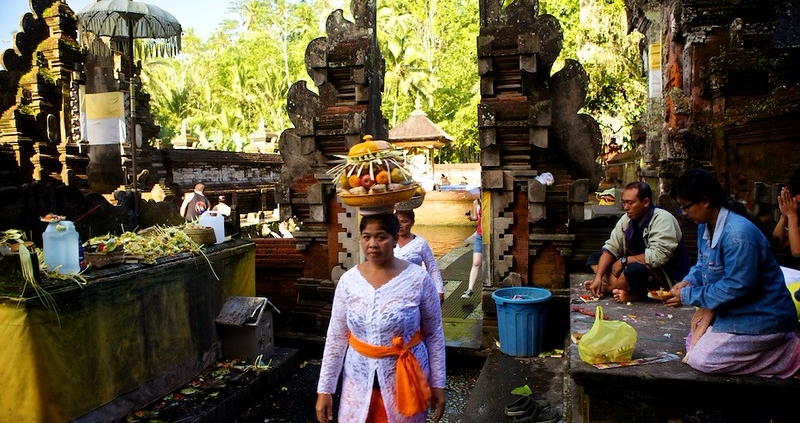 According to the World Health Organization (WHO), communicable diseases and nutritional conditions are responsible for 34.7% of deaths in Indonesia. With tuberculosis (TB) ranked first, a ratio of 48.9 deaths per 100,000 people creates a major social and economic burden. Poverty, overcrowding and the lack of rural health infrastructure in Indonesia act as catalysts for infectious diseases like TB, due to poor sanitation and hygiene.
Diseases such as TB and worm infections affect low-income communities by placing a heavy financial burden on families, especially those living in rural areas, due to a lack of safe shelter, clean drinking water, nutrition and sanitation. These challenges increase disease risk and push families deeper into poverty. As a result, initiatives addressing infectious diseases in low-income communities are needed.
Organizations such as Palang Merah Indonesia (PMI), Siklus Indonesia and doctorSHARE help reduce the spread of infectious diseases and promote sanitation in rural areas. They do this by improving public health, expanding health care access and supporting health care in low-income communities.
Palang Merah Indonesia
On September 17, 1945, Indonesia’s year of independence, Mohammad Hatta ordered the creation of PMI, also known as the Indonesian Red Cross Society. The goal was to help support the injured and provide medical assistance to communities during the Indonesian National Revolution. Through this effort, PMI received international recognition and became a member of the International Red Cross.
The Indonesian government officially recognized PMI as a humanitarian organization in 2018. From then on, PMI has set a long-term mission to expand its inclusive services, prevent disease, strengthen social trust and increase collaborations with partners, including the government. It does this by implementing several strategies, including strengthening communities, improving blood donation services and increasing transparency.
In 2022, PMI collected a total of 368,557 bags of blood, helping ensure a steady, reliable blood supply for communities. To maximize its impact on sanitation and hygiene, PMI also runs a health program called Water, Sanitation and Hygiene (WASH). WASH plays a key role in preventing disease and improving quality of life.
By building clean water supply systems, improving sanitation facilities and raising awareness through hygiene education campaigns, PMI prevents infectious diseases often caused by poor sanitation. Programs like WASH play a major role in preventing infectious diseases in low-income communities.
Siklus Indonesia
Siklus Indonesia is a nonprofit organization founded in 2010, focused on health care access and social development. Its mission is to strengthen and empower communities, particularly the underserved, through its services, research, partnerships and educational programs. To better achieve this goal, Siklus Indonesia proposed creating the AIDS, TB and Malaria Regional Action Plan (RAD) to reduce HIV, TB and malaria rates in Yogyakarta from 2026 to 2030.
During a preparatory meeting for the program, the regional government and secretariat held a workshop in November 2025 to review strategies, including the National AIDS, TB and Malaria (ATM) strategy. The workshop discussed progress in fighting infectious diseases through the ATM program. About 87% of Indonesians with HIV/AIDS are aware of their diagnosis. Moreover, 58% have received antiretroviral therapy (ARV).
As a result, 64% of individuals with HIV/AIDS achieved viral load suppression. As for TB, screening reached 63% of estimated cases among the total 90%, while treatment success is 83.4%. Consequently, Siklus Indonesia has implemented outreach focused on vulnerable communities to increase TB case discovery through education, screening and encouraging high-risk individuals to get tested.
Most of the outreach focuses on the elderly, youth, pregnant women, people with infectious diseases and congregate settings. Heavily populated areas, such as Islamic boarding schools and correctional facilities, often have higher transmission rates. This is due to limited space and inadequate infrastructure, which underlines the need for action and attention.
While direct initiatives, such as medical and therapeutic efforts, are important, Siklus Indonesia shows that education and outreach remain essential for addressing infectious diseases in low-income communities.
DoctorSHARE
DoctorSHARE was founded in 2009 by Lie A. Dharmawan, with the mission to alleviate suffering and expand health care access for vulnerable and underserved communities in Indonesia. In 2013, he created the first floating hospital in Indonesia to better reach and support marginalized communities that live far away. Dharmawan was inspired during his time in Maluku, when a young mother and her severely ill daughter had to travel three days by boat and approached him for help.
She was diagnosed with a hernia and interstitial clamping, which required immediate surgery. Fortunately, Dharmawan was able to operate in time. The surgery was successful and the child survived. On his way back to Jakarta, he began thinking about how many others face the same challenge. As a solution, he created the first floating hospital, named RSA Nusa Waluya I.
DoctorSHARE also offers a range of health programs, including outreach and disaster response. Outreach includes the floating hospital, flying doctor (five to seven doctors supporting highlanders via aircraft), health promotion and advocacy and capacity building. DoctorSHARE also runs TB rehabilitation programs, with more than 394 patient care and consultation sessions and 612 walking clinics.
This initiative partners with communities, individuals and the government. It also improves health care access through infrastructure upgrades. One example is the TB clinic in Sentani, which treats infectious diseases to help contain them and prevent outbreaks. Medical outreach like this directly reduces infectious diseases in low-income communities.
As of 2024, doctorSHARE has completed more than 5,350 major surgeries, 7,959 minor surgeries and 294,028 outpatient treatments, including 6,299 ultrasound consultations and 68,371 health education programs. By providing surgeries and TB rehabilitation, these programs restore productivity and help break the cycle of poverty caused by financial burden. This creates a sustainable culture of wellness, where improving health care protects communities’ future.
Conclusion
In an archipelago of more than 17,000 islands, the geography of Indonesia makes addressing infectious diseases in low-income communities especially challenging. This highlights the need for continued action. If these issues matter in Indonesia, then they matter globally.
Thus, initiatives from PMI, Siklus Indonesia and doctorSHARE highlight nonprofit regional support through health care access, education and promotion. By implementing these strategies, organizations empower the next generation with quality health care and support that helps address broader global challenges. Through intervention, accessibility and sustainability, these efforts improve health care access and help communities break the cycle of poverty.
Bianca P. Gunawan
Bianca is based in Jakarta, Indonesia and focuses on Good News and Global Health for The Borgen Project.
Photo: Flickr
