How Liberian Women Are Closing the Maternal Health Gap
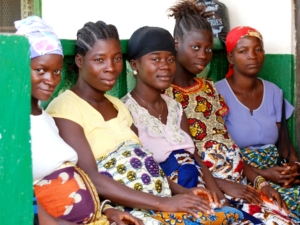 Liberia’s health care system, devastated by civil war and the 2014–2015 Ebola outbreak, suffers from one of the highest maternal mortality rates globally, 628 deaths per 100,000 live births. Nonetheless, after the crisis, Liberian women are closing the maternal health gap and quietly spearheading a transformation.
Through decentralized networks of midwives, traditional birth attendants (TBAs) and grassroots advocates, they fill the gaps left by a fractured health system. Backed by nongovernmental organizations (NGOs) such as Last Mile Health, CARE Liberia and Mercy Ships, these women are lowering maternal mortality rates while challenging gender and political obstacles. Their approach, based on trust and cultural understanding, serves as a worldwide model for recovery in post-conflict settings.
Grassroots Networks: Midwives and TBAs on the Frontlines
In rural Liberia, where 44% of women deliver at home without skilled assistance, community health workers (CHWs) and TBAs are crucial. Initiatives like Last Mile Health have trained thousands of CHWs to provide prenatal care, make emergency referrals and treat malaria, reaching more than one million people in remote areas. Meanwhile, TBAs, often the only providers in villages, now collaborate with clinics through programs that combine traditional knowledge with medical training.
The Liberia Midwifery Program, supported by the World Health Organization (WHO) and the United Nations Development Fund (UNFPA), has expanded rural midwifery schools. The project achieved this, though shortages remain, with fewer than 200 midwives serving four million people. “We need midwives who can ensure safe pregnancies before conception,” Bentoe Tehoungue of the Liberian health ministry says. These efforts yield results: maternal mortality has decreased by 64% since 2000, demonstrating the impact of community-driven care.
Women’s Advocacy
Liberian women are closing the maternal health gap as they are not merely caregivers but also policymakers. Female-led local health committees actively lobby for improved clinics and higher midwife salaries. CARE Liberia supports these efforts through its Women’s Voice and Leadership program, which trains women to hold health budgets accountable.
Although patriarchal resistance is still strong, signs of progress are evident. For instance, in 2019, the Liberian Board for Nursing and Midwifery updated its curriculum to emphasise midwives’ roles as leaders, not just service providers. These changes illustrate a broader pattern: when women spearhead recovery efforts, the solutions tend to be more sustainable.
NGO Partnerships: Scaling Local Solutions
International allies offer vital support without replacing local expertise. Mercy Ships, active in Liberia since 2005, trains surgeons and donates equipment to tackle obstetric emergencies such as fistulas. Meanwhile, Last Mile Health helped establish Liberia’s National Community Health Program in 2016, which has become a global model for CHW systems. Challenges remain with USAID funding cuts straining services, but Liberian women maintain resilience.
Looking Forward
Liberia’s maternal health crisis persists, but women are closing the maternal health gap and have demonstrated that community trust can outperform top-down solutions. By blending traditional knowledge with modern health care, pushing for policy reforms and forming NGO collaborations, they save lives and reshape health care leadership. Their approach offers valuable lessons for societies recovering from crises: lasting change starts with those who understand the needs most.
– Emilia Bartle
Emilia is based in Watford, UK and focuses on Good News and Politics for The Borgen Project.
Photo: Wikimedia Commons
