• Link to X
  • Link to Facebook
  • Link to Instagram
  • Link to TikTok
  • Link to Youtube
  • About
    • About Us
      • President
      • Board of Directors
      • Board of Advisors
      • Financials
      • Our Methodology
      • Success Tracker
      • Contact
  • Act Now
    • 30 Ways to Help
      • Email Congress
      • Call Congress
      • Volunteer
      • Courses & Certificates
      • Be a Donor
    • Internships
      • In-Office Internships
      • Remote Internships
    • Legislation
      • Politics 101
  • The Blog
  • The Podcast
  • Magazine
  • Donate
  • Click to open the search input field Click to open the search input field Search
  • Menu Menu
Blog - Latest News
Education, United Nations, Women and Female Empowerment

What Malala Means to Women Worldwide
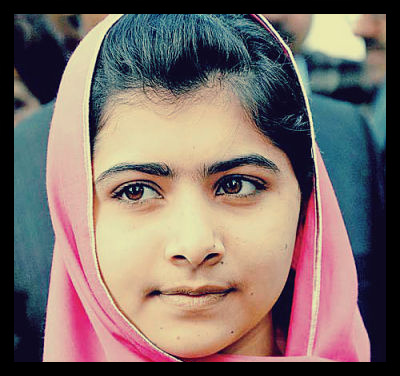
Malala_Ban_Ki_moon
In a piece on the Huffington Post website on July 8, United Nations Secretary-General Ban Ki-Moon highlighted the young Pakistani girl Malala Yousafzai as an example of the empowering effect of education.

Malala entered the public domain in 2009 when she was in a BBC documentary about life under the Taliban. Three years later, in October 2012, she was shot in the head by a member of the Taliban who boarded her school bus because of her fight for girls’ education. The story gained international recognition. Since then Malala has been named one of TIME magazine’s most influential people of 2013, and has continued to advocate for girls’ education. On July 12, Malala was joined by hundreds of students from more than 80 countries in a unique Youth Assembly where they demanded quality education for children across the globe.

Ban Ki-Moon contended that violent actions against Malala, her teachers, and her fellow students prove how frightened extremists are of empowering women. For every year of schooling she attends, a girl’s future earnings increase by 20%. Ban asserts that Malala and her colleagues are teaching the world the lesson that “education is the pathway to saving lives, building peace, and empowering young people.”

With this in mind the Secretary-General enacted the “Global Education First” Initiative, a program with the goal of getting all children in schools with an improved quality of education that prepares them to grow up to be global citizens. The 57 million children out of primary school deserve a proper education because education is a fundamental human right.

July 12 marks the United Nations’ Malala Day, where Malala addressed over 500 youth at the UN and celebrated her birthday. The Secretary-General recognized in his article for the Huffington Post the importance of the courageous actions of students like Malala, and how the education which they advocate for is crucial for development and growth in the global system.

– Martin Drake

Source: Huffington Post, BBC
Photo: Mid Day

July 28, 2013
Share this entry
  • Share on Facebook
  • Share on X
  • Share on WhatsApp
  • Share on Pinterest
  • Share on LinkedIn
  • Share on Tumblr
  • Share on Vk
  • Share on Reddit
  • Share by Mail
https://borgenproject.org/wp-content/uploads/borgen-project-logo.svg 0 0 Borgen Project https://borgenproject.org/wp-content/uploads/borgen-project-logo.svg Borgen Project2013-07-28 04:00:122017-10-04 12:36:45What Malala Means to Women Worldwide

Get Smarter

  • Global Poverty 101
  • Global Poverty… The Good News
  • Global Poverty & U.S. Jobs
  • Global Poverty and National Security
  • Innovative Solutions to Poverty
  • Global Poverty & Aid FAQ’s
Search Search

Take Action

  • Call Congress
  • Email Congress
  • Donate
  • 30 Ways to Help
  • Volunteer Ops
  • Internships
  • Courses & Certificates
  • The Podcast
Borgen Project

“The Borgen Project is an incredible nonprofit organization that is addressing poverty and hunger and working towards ending them.”

-The Huffington Post

Inside The Borgen Project

  • Contact
  • About
  • Financials
  • President
  • Board of Directors
  • Board of Advisors

International Links

  • UK Email Parliament
  • UK Donate
  • Canada Email Parliament

Get Smarter

  • Global Poverty 101
  • Global Poverty… The Good News
  • Global Poverty & U.S. Jobs
  • Global Poverty and National Security
  • Innovative Solutions to Poverty
  • Global Poverty & Aid FAQ’s

Ways to Help

  • Call Congress
  • Email Congress
  • Donate
  • 30 Ways to Help
  • Volunteer Ops
  • Internships
  • Courses & Certificates
  • The Podcast
Link to: 5 Poverty Statistics on Sub-Saharan Africa Link to: 5 Poverty Statistics on Sub-Saharan Africa 5 Poverty Statistics on Sub-Saharan Africa Link to: What are CDA’s Collaborative Learning Projects? Link to: What are CDA’s Collaborative Learning Projects? What are CDA’s Collaborative Learning Projects?
Scroll to top Scroll to top Scroll to top