Tuberculosis in Kenya
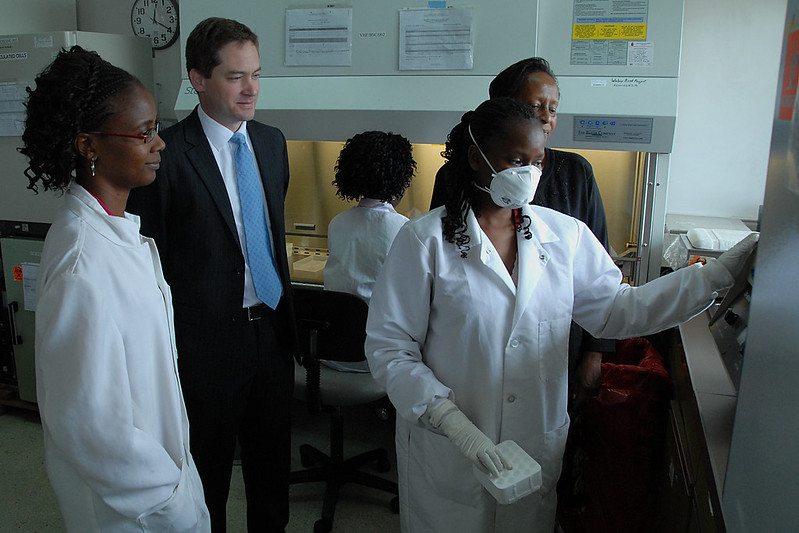 Kenya continues to battle against major communicable diseases, including tuberculosis (TB). With more than 120,000 affected patients each year, the African Institute for Development Policy (AFIDEP) documents the disproportionate rising cases among men from low and middle-income countries such as Kenya. ADIDEP cites how inequalities toward men seeking health, have exasperated due to factors such as poverty, poor environment, housing, food security, lack of education and financial hardship.
The World Health Organisation (WHO) recognizes common symptoms of TB include prologued cough with blood, chest pain, weakness, fatigue, weight loss, fever and night sweats. In recognition of the 32% undiagnosed and untreated TB patients in Kenya reported in 2023, the Ministry of Health launched the 2023/24 – 2027/28 National Strategic Plan (NSP) for TB, Leprosy and Lung Health. This program aims to put an end to the devastating impact of TB on Kenya’s communities.
Diagnosis and Treatment
Doctors treat tuberculosis with antibiotics. In Kenya, the primary antibiotics improving TB patients’ health are isoniazid, rifampin, pyrazinamide, ethambutol and streptomycin. Patients must take these medications daily for four to six months. WHO advises anyone experiencing symptoms of TB to seek medical attention immediately.
Ministry of Health Support to End Tuberculosis
During its launch, Mary Muthoni, the Principal Secretary for Public Health and Professional Standards, emphasized the 2023/24-2027/28 National Strategic Plan’s commitment to a people-centered approach in addressing tuberculosis in Kenya. In her February 2024 speech to the National Assembly Committee on Delegated Legislation, Mary announced the start of a community-centered Universal Health Coverage (UHC) initiative, to deploy 100,000 Community Health Promoters. This initiative aims to enhance household screenings proactively and strengthen the government’s battle against TB. Furthermore, the program seeks to eliminate TB, leprosy and other lung complications by 2030.
Facilitating Gender Responsive Policies
The Division of National Tuberculosis, Leprosy, and Lung Disease Program (DNTLD-P) has collaborated with the LIGHT consortium since 2020 to enhance the Kenyan government’s efforts in addressing gender discrimination among TB patients. This partnership aims to fill gaps identified in Kenya’s previous NSP for 2019-2023, which lacked initiatives targeting gender-specific barriers to TB care and treatment.
The government has evaluated gender-equality approaches to ensure TB patients in Kenya receive fair treatment, regardless of gender. LIGHT, a global health research program, focuses on supporting TB treatment policies and practices in Kenya, Malawi, Nigeria and Uganda, with an emphasis on gender inclusivity. Its research demonstrates that improved access to TB care for men has decreased TB-related deaths, curbed transmission within communities and reduced the financial strain of TB treatment in Kenya. In response to LIGHT’s policy enhancement efforts, the NSP for 2023/24–2027/28 outlines specific initiatives aimed at assisting male TB patients in Kenya through the following targeted implementations:
- Addressing socio-cultural barriers that prevent men, women and children from accessing healthcare
- Creating awareness of TB and reducing stigma
- Engaging strategically with a range of key stakeholders to ensure research is informed
A Healthier Kenya
Initiatives like the NSP for TB and the LIGHT consortium’s efforts illuminate the path toward ending tuberculosis by fostering inclusivity and community support. These strategies are poised to transform health and tuberculosis care in Kenya and signal a promising future where access to treatment transcends gender barriers, enabling a united fight against this persistent disease.
– Kasia Flisiuk
Kasia is based in London, UK and focuses on Global Health for The Borgen Project.
Photo: Flickr
