Tracking Ebola in the DRC With Mobile Phone Data
On May 15, 2026, the Democratic Republic of the Congo (DRC) declared its 17th Ebola outbreak since 1976. Two days later, the World Health Organization (WHO) determined that the Bundibugyo virus outbreak constituted a Public Health Emergency of International Concern. There is no licensed vaccine or specific treatment for this strain.
The virus spread fast. It passed 1,000 confirmed cases within 40 days. The 2018 outbreak in the DRC took about 235 days to reach that mark. As of Sept. 23, the DRC had reported 7,890 confirmed cases and 3,799 deaths across seven provinces, a crude case fatality ratio of 48.1%. For comparison, WHO says past Bundibugyo outbreaks had fatality rates between 30% and 50%. Numbers like these push health workers to find new ways to track Ebola in the DRC before it spreads further.
A Response Under Strain
The response to Ebola in the DRC has struggled to keep up. One month in, Médecins Sans Frontières warned that gaps in testing, contact tracing and community outreach were letting the virus outrun the response. By the two-month mark, confirmed cases had tripled. In just five weeks, they went from around 650 to more than 2,000. Deaths rose even faster, from 130 to over 700 in the same period. Trish Newport of Médecins Sans Frontières said teams were still chasing the outbreak instead of staying ahead of it.
Tracking Movement by Phone
A Swedish nonprofit called Flowminder is trying something different. It works with Vodacom, the DRC’s largest operator, with more than 26 million active subscriptions and nearly 35% of the market. Flowminder studies phone records created when phones connect to cell towers. The data are aggregated and anonymized, so no individual caller is identified. By tracking movement between areas over time, researchers can see where people travel. Linus Bengtsson, founder of Flowminder, told Reuters that knowing how people move offers clues about how infected people might move.
Flowminder published its first report on May 28 and updated it on June 4. Using anonymized Vodacom data, it ranked the health zones receiving the most travelers from Bunia, Mongbwalu and Rwampara, the outbreak’s first hotspots. By June 1, eight of the top 10 recipient zones already had confirmed cases. By the end of June, all 10 did.
The tool does not predict where an infected person will turn up. It flags which areas face a higher risk of importing the virus, so teams know where to look first. Kisangani shows how this works. The major river port does not border the affected areas. Even so, Flowminder’s first report listed it as the top destination in Tshopo province for travelers from the hotspots. Dr. Olivier le Polain, who leads epidemiology and analytics for WHO’s response, told Reuters the data showed significant risk there by mid-June. He said operations were strengthened before the first cases were detected. Those cases were confirmed in early July.
A Heavy Price for Children
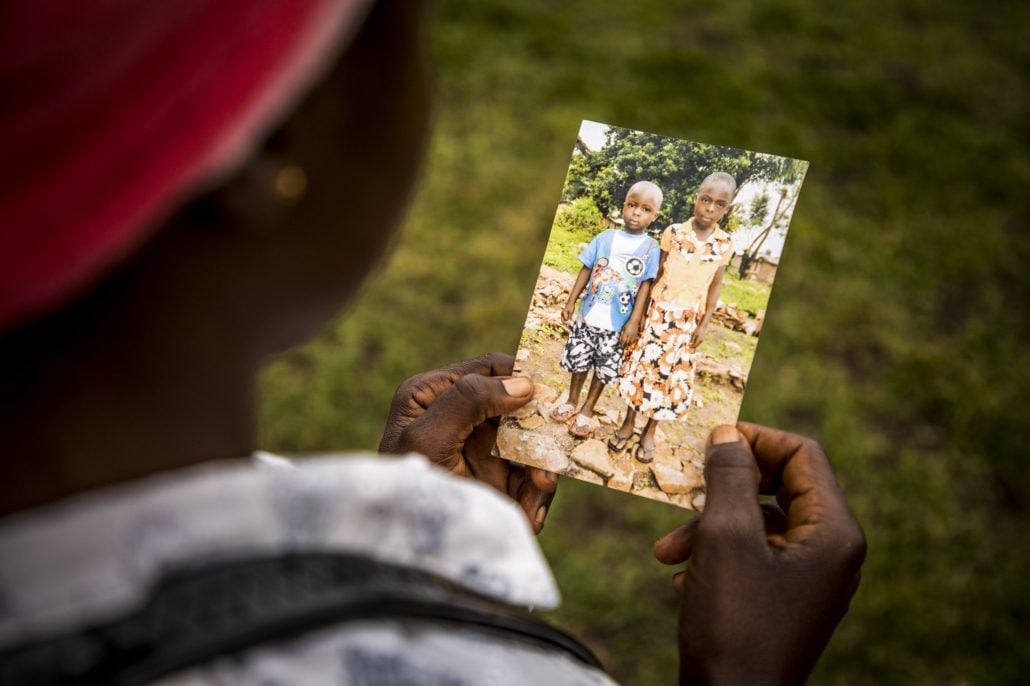
Children in affected areas face particular risks. UNICEF estimates nearly 3 million children in affected areas face rising danger. By late June, more than 130 children in Ituri province had already lost a parent to Ebola in the DRC. UNICEF is seeking $70.7 million for its six-month response. As of the appeal, $20 million of that remained unfunded.
A Model Worth Building On
The system has limits. It only captures subscribers on the participating network, so people using other providers stay invisible. So do people who cross into nearby countries. The data are also aggregated and anonymized, which protects privacy but limits detail. That is why mobility data complement epidemiological surveillance rather than replace it. Testing, contact tracing and community work still do the core job. Flowminder and U.N. officials are working to bring other operators on board, which would sharpen the picture.
If that expansion succeeds, the same tool now helping track Ebola in the DRC could become a model for other outbreaks. It would fit anywhere health systems are stretched thin but phones are common. The DRC has faced this virus 17 times since 1976. Mobility data can help responders identify areas at higher risk earlier, complementing testing, contact tracing and community-based surveillance.
– Juan Guillermo Rueda Castrillón
Juan is based in Barcelona, Catalunya, Spain and focuses on Technology and Solutions, and Global Health for The Borgen Project.
Photo: Flickr
