Saudi Aid to Yemen: Supporting Recovery and Poverty Reduction
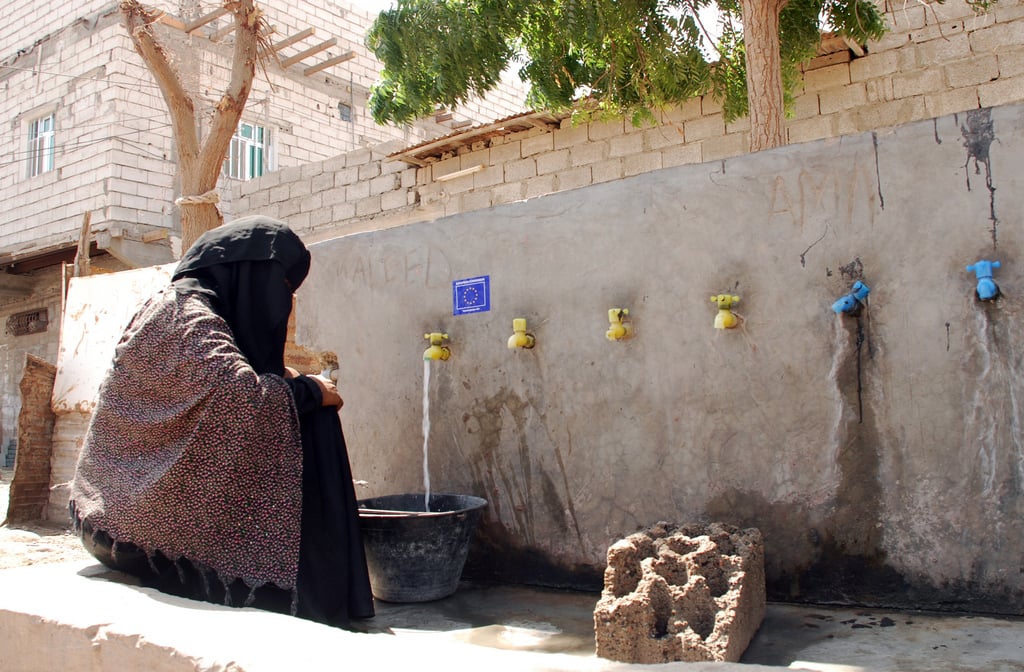
The fight to reduce poverty is an ongoing battle. Many helping hands from various backgrounds and countries have stepped up to contribute. One such helping hand is Saudi Arabia. The kingdom is known for its wealth due to oil production, but it has also become a major provider of humanitarian and development assistance. Yemen, its neighbor, has received substantial Saudi support.
Yemen
Saudi Arabia’s support for poverty reduction is particularly visible in Yemen. Yemen’s humanitarian crisis ranks among the most severe globally. The Houthis took control of the capital, Sana’a, in 2014, and a Saudi-led coalition intervened militarily in 2015. The conflict has caused deaths both through direct violence and indirectly through hunger, disease and the breakdown of services. A 2021 UNDP estimate put conflict-attributable deaths at 377,000, including 154,000 from direct combat and violence and 223,000 from indirect causes.
With economic and political unrest, the country has not recovered, and the Houthis continue to control large parts of Yemen. In 2026, more than 22 million people require humanitarian assistance, 18.3 million people are acutely food insecure, and more than 2.2 million children under five are acutely malnourished.
Kingdom of Giving
Saudi Arabia has provided humanitarian, development and economic support to Yemen for many years. Saudi sources report more than $12 billion in support between 2012 and 2025, while the Saudi Aid Platform records Yemen as one of the largest recipients of Saudi assistance.
Saudi Arabia has also contributed to UN humanitarian responses. In 2019, it provided $500 million toward the Yemen Humanitarian Response Plan.
Helping Hands
One organization involved in this work is the King Salman Humanitarian Aid and Relief Center, KSrelief. The organization provides food, medical supplies and other humanitarian assistance.
KSrelief has worked with the World Food Programme on food-security and livelihood programs in Yemen, including support for farming families, agricultural land, irrigation channels and greenhouses.
KSrelief’s own statistics show that it implemented 531 completed or ongoing projects in 2024 at a total cost of more than $622 million. Since its establishment, the center reports thousands of projects across more than 100 countries, with Yemen its largest beneficiary by project spending.
Another Saudi organization supporting Yemen is the Saudi Development and Reconstruction Program for Yemen (SDRPY). Established in 2018, its work includes rebuilding infrastructure, supporting economic stability and promoting long-term development. Its projects have included energy and road infrastructure.
SDRPY has also partnered with international organizations, including UN-Habitat, on projects involving housing and water infrastructure.
Since 2018, SDRPY has implemented hundreds of development projects across sectors including education, agriculture and fisheries. Its work includes training and support intended to strengthen livelihoods and local production.
In partnership with Yemen’s Social Fund for Development, SDRPY has also supported education projects, including plans involving more than 25 schools and training for hundreds of teachers.
Final Thoughts
Saudi aid cannot by itself resolve Yemen’s poverty or humanitarian crisis, which ultimately depends on greater political and economic stability. However, humanitarian assistance and longer-term development programs can help communities meet immediate needs while supporting infrastructure and livelihoods needed for recovery.
– Lara Lewis
Lara is based in Wakefield, RI, USA and focuses on Good News and Politics for The Borgen Project.
Photo: Flickr
