How Togolese Athletes Rise Above Poverty To Reach the Olympics
 Togo, a small nation in West Africa, is among the most impoverished countries in the world. Despite challenges, Togolese athletes proudly compete internationally, representing their homeland and raising global awareness about Togo’s struggles.
Poverty in Togo
With more than half of the national population living below the poverty line, Togo continues to struggle with implementing development initiatives and programs designed to improve the daily lives of the Togolese people. Similarities between Togo and other poverty-ridden nations are prevalent, including domestic unrest, a growing hunger crisis and a lack of access to education. Children often live without the key elements of a thriving society, namely access to education and child care, putting them and all of Togo at risk for cyclical poverty.
Despite widespread poverty, many Togolese athletes manage to reach international levels of competition, overcoming significant economic obstacles along the way. While international athletics provides a world stage to share the talent and ideals of individual nations, it also creates a platform for building a shared community. The opportunity to participate increases hope and resilience among athletes.
However, in impoverished countries like Togo, athletes face inadequate training facilities and equipment, limited access to coaching and trainers, a lack of nutrition and low sponsorship amounts for international competitions, according to The Brookings Institution.
A Rower From Agbodrafo
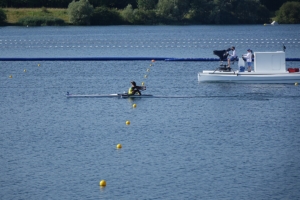
Akoko Komlanvi, a Togolese single sculls rower, competed in the 2024 Paris Olympic Games, rising above a poverty-stricken upbringing to gain international recognition. As one of five Togolese athletes at the Games, her performance improved with support from the Olympic Solidarity scholarship program.
The Olympic Solidarity program supports skilled athletes from marginalized and impoverished nations. These athletes often lack access to professional training resources and cannot afford travel costs. Support from the program helps them attend the international competitions required to qualify for events like the World Championships and the Olympic Games, according to the International Olympic Committee.
Without the Olympic Solidarity program, athletes like Komlanvi, gifted but lacking equal access to training and opportunities, would be unable to compete or represent their countries on the global stage. The program gave Komlanvi the chance to train in Tunisia, where she had access to quality rowing equipment that is rare, if not nonexistent, in Togo. Despite finishing last, participating in the Olympics was a win for Komlanvi and her country.
Pros Outweigh the Cons of the Olympics
As each Olympic Games nears, debates commence about the negative impacts of the event, primarily on the host country. The host country typically incurs an economic burden due to decreased revenue and increased costs of improving stadiums or building new arenas and housing for athletes.
However, after each Olympic Games, the necessity of providing this opportunity for athletes worldwide to gather under different flags in a fair and peaceful environment is re-established. Nations that compete, like Togo, reaffirm the importance of the goal of being counted among the participating countries.
Bringing the Togolese People Together via Sport
Sports can improve the health and well-being of athletes and those they represent, especially those living in poverty, increasing social inclusion and shedding light on global issues. While international support programs are vital for professional athletes, domestic and amateur athletes also need resources to improve their health and lessen the impact of poverty. Many of these individuals, whose struggles are echoed by their country’s athletes on the world stage, still lack access to necessities like food, health care and education.
One such program, run by the Leading Youth, Sport and Development group, supports youth development by using basketball to foster peace and address pressing social issues in Togo. This agency helps implement and support programs that align with the 2030 Agenda. It’s committed to minimizing poverty and inequality worldwide through programs designed to influence younger generations to make lasting changes positively.
Final Remarks
Beyond health benefits, sports can reduce discrimination, boost social participation and create job opportunities and revenue streams. This makes athletic programs a valuable investment in the well-being of the Togolese people.
– Avery Kachmarsky
Avery is based in Los Angeles, CA, USA and focuses on Business and Politics for The Borgen Project.
Photo: Wikimedia Commons
